Nature & Science
The Fate of FoodThe Fate of Food

The Fate of Food

user-icon

Amanda Little

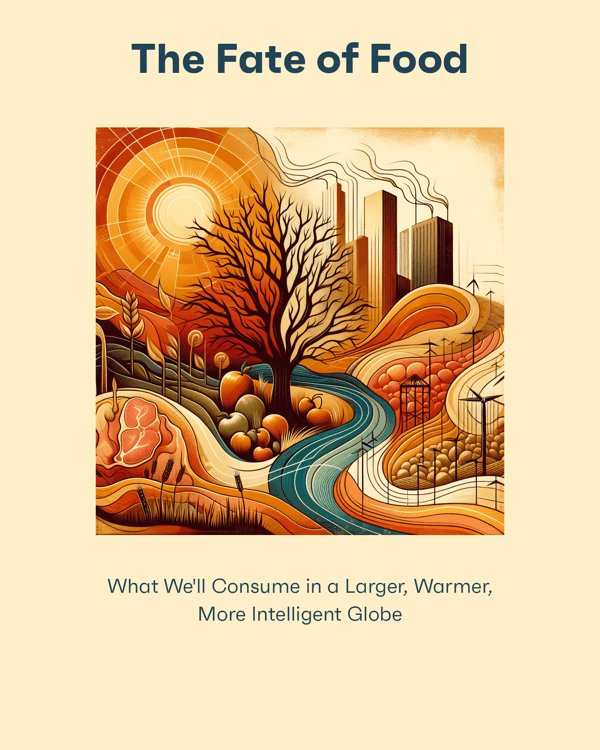
Fruit crops, highly sensitive to extreme weather and temperature shifts, serve as a clear indicator of climate change's impact, with devastating consequences for the industry. Michigan's catastrophic 2012 frost, following an unusually warm winter, exemplifies the vulnerability of crops like cherries and apples, which require precise cold-weather conditions to thrive. This pattern extends globally, with droughts ravaging California's farmlands and farmers resorting to temporary solutions like frost fans, while researchers develop climate-resilient crops. Meanwhile, the growing global population and shrinking farmland drive innovation in indoor farming, which adapts environments for plants using advanced techniques like vertical farming and aeroponics. Despite its promise, indoor farming faces challenges such as high energy use and waste generation, emphasizing its role as a complement, not a replacement, to traditional agriculture. Similarly, advancements in protein production, from sustainable fish farming to plant-based and lab-grown meats, highlight efforts to balance efficiency with environmental impact. However, modern agriculture's efficiency comes at an ecological cost, as seen in the Green Revolution's unintended consequences, including soil degradation, pesticide resistance, and a significant carbon footprint. Water scarcity further complicates food production, with nations like Israel pioneering innovative irrigation and water management systems, though high costs limit widespread adoption. Addressing food waste, which accounts for millions of tons annually, requires prevention, food rescue programs, and mindful consumption practices. While solutions like composting help, reducing waste at its source remains critical. Across all sectors, balancing technological advancements with sustainability is essential to meet the growing global demand for food.

clock12 min
bite6 Bite
target Wgląd

O czym to jest?

This book delves into the intricate relationship between agriculture and the environment, exploring how climate change, technological advancements, and shifting global demands are reshaping food production. From the vulnerability of fruit crops to extreme weather to the rise of innovative solutions like indoor farming and genetically engineered organisms, it examines the challenges and opportunities facing modern agriculture. With a focus on sustainability, it highlights the balance between tradition and technology, addressing critical issues such as water scarcity, food waste, and the future of protein sources. Engaging and thought-provoking, it offers a comprehensive look at the evolving landscape of how we grow, consume, and sustain food.

Streszczenie książki

Amanda Little is an award-winning environmental journalist whose writing has appeared in the New York Times Magazine, Wired, and Vanity Fair, among many others. She is a professor of investigative journalism and science writing at Vanderbilt University and the author of Power Trip: The Story of America’s Love Affair with Energy.

Fruit crops, highly sensitive to extreme weather and temperature shifts, serve as a clear indicator of climate change's impact, with devastating consequences for the industry. Michigan's catastrophic 2012 frost, following an unusually warm winter, exemplifies the vulnerability of crops like cherries and apples, which require precise cold-weather conditions to thrive. This pattern extends globally, with droughts ravaging California's farmlands and farmers resorting to temporary solutions like frost fans, while researchers develop climate-resilient crops. Meanwhile, the growing global population and shrinking farmland drive innovation in indoor farming, which adapts environments for plants using advanced techniques like vertical farming and aeroponics. Despite its promise, indoor farming faces challenges such as high energy use and waste generation, emphasizing its role as a complement, not a replacement, to traditional agriculture. Similarly, advancements in protein production, from sustainable fish farming to plant-based and lab-grown meats, highlight efforts to balance efficiency with environmental impact. However, modern agriculture's efficiency comes at an ecological cost, as seen in the Green Revolution's unintended consequences, including soil degradation, pesticide resistance, and a significant carbon footprint. Water scarcity further complicates food production, with nations like Israel pioneering innovative irrigation and water management systems, though high costs limit widespread adoption. Addressing food waste, which accounts for millions of tons annually, requires prevention, food rescue programs, and mindful consumption practices. While solutions like composting help, reducing waste at its source remains critical. Across all sectors, balancing technological advancements with sustainability is essential to meet the growing global demand for food.

Aby przeczytać resztę książki, możesz pobrać Bitely

appstoregoogleplayapp gallery
Wszystkie kęsy
bite6 Bites

Balancing Innovation and Sustainability in Modern Agriculture

1
logo

Climate Change’s Toll on Global Agriculture

2
logo

Innovative Solutions to Combat Global Water Scarcity

3
logo

Revolutionizing Farming: Indoor Solutions for a Growing World

4
logo

Revolutionizing Protein: Sustainable Solutions from Sea to Lab

5
logo

Reducing Food Waste: Solutions for a Global Crisis

6
logo

Powiązane książki

mailbox-icon

Chcesz kontynuować naukę?

Nie przegap aktualizacji z ekscytującego wszechświata Bitely!

Logo
appstoregoogleplay
app gallery

Śledź nas w mediach społecznościowych

tiktokxinstagramyoutubelinkedinfacebook
© 2025 Bitely. Wszelkie prawa zastrzeżone.