Nature & Science
The BrainThe Brain

The Brain

user-icon

David Eagleman

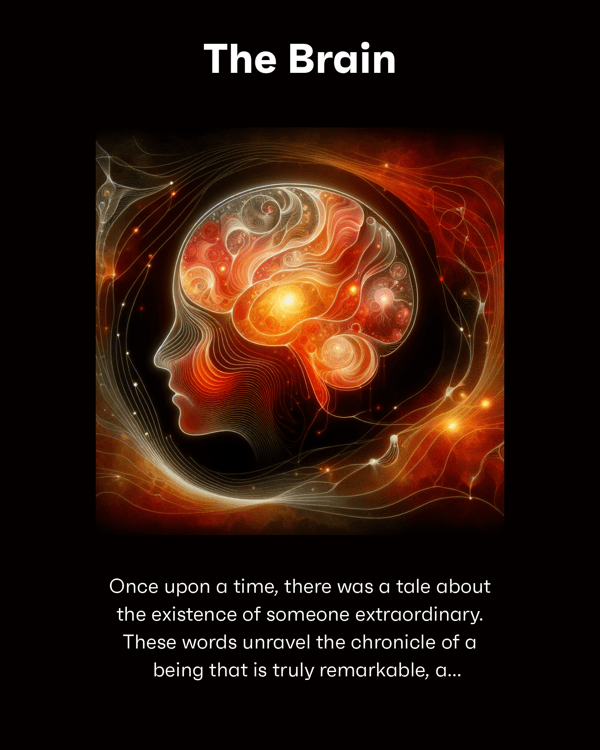
Humans are deeply social, relying on empathy to connect with others by mimicking facial expressions, a process that even influences physical appearance over time. However, experiments reveal that factors like Botox can impair this ability, highlighting the role of mimicry in emotional understanding. Empathy also shapes how we perceive those outside our social groups, as studies show dehumanization can reduce brain activity when viewing marginalized individuals, a phenomenon often amplified by propaganda. Beyond social behavior, much of our actions and decisions are driven by subconscious processes, from mastering skills to responding to environmental cues like scents or warmth. The brain’s decision-making relies on sensory and emotional feedback, but its preference for instant gratification can lead to impulsive choices, which strategies like "Ulysses Contracts" can help counteract. Over time, our brains and personalities evolve through experiences, with neural plasticity allowing even adults to undergo significant changes, as seen in studies of London taxi drivers or extreme cases like Charles Whitman. Advances in neuroscience and technology are now pushing boundaries, enabling the brain to adapt to artificial signals, hinting at a future where data could be directly transmitted to the mind or consciousness transferred for space exploration. Yet, despite technological progress, the human brain’s complexity and consciousness remain unmatched, as illustrated by its ability to adapt sensory input and construct reality, even in cases like Mike May’s restored vision or the unique perceptions of synesthesia.

clock12 min
bite6 Bite
target Wgląd

O czym to jest?

Humans are complex, deeply social beings, shaped by the intricate workings of the brain. This book explores how empathy, subconscious influences, decision-making, and the brain's remarkable plasticity define who we are and how we interact with the world. From the subtle effects of mimicry on relationships to the profound impact of neural changes on personality, it delves into the science behind our behaviors and choices. Bridging neuroscience and technology, it also examines the potential for groundbreaking innovations, raising thought-provoking questions about the future of humanity and the essence of consciousness.

Streszczenie książki

David Eagleman is a neuroscientist and junior professor at Baylor College of Medicine who has written several popular science books, including Wednesday is Indigo Blue.

Humans are deeply social, relying on empathy to connect with others by mimicking facial expressions, a process that even influences physical appearance over time. However, experiments reveal that factors like Botox can impair this ability, highlighting the role of mimicry in emotional understanding. Empathy also shapes how we perceive those outside our social groups, as studies show dehumanization can reduce brain activity when viewing marginalized individuals, a phenomenon often amplified by propaganda. Beyond social behavior, much of our actions and decisions are driven by subconscious processes, from mastering skills to responding to environmental cues like scents or warmth. The brain’s decision-making relies on sensory and emotional feedback, but its preference for instant gratification can lead to impulsive choices, which strategies like "Ulysses Contracts" can help counteract. Over time, our brains and personalities evolve through experiences, with neural plasticity allowing even adults to undergo significant changes, as seen in studies of London taxi drivers or extreme cases like Charles Whitman. Advances in neuroscience and technology are now pushing boundaries, enabling the brain to adapt to artificial signals, hinting at a future where data could be directly transmitted to the mind or consciousness transferred for space exploration. Yet, despite technological progress, the human brain’s complexity and consciousness remain unmatched, as illustrated by its ability to adapt sensory input and construct reality, even in cases like Mike May’s restored vision or the unique perceptions of synesthesia.

Aby przeczytać resztę książki, możesz pobrać Bitely

appstoregoogleplayapp gallery
Wszystkie kęsy
bite6 Bites

The Evolving Brain: How Experience Shapes Us

1
logo

How Our Brains Shape Reality

2
logo

The Hidden Forces Shaping Your Decisions

3
logo

Mastering Choices: How the Brain Decides

4
logo

Decoding Empathy: How Our Brains Connect

5
logo

Redefining Reality: The Brain-Technology Connection

6
logo

Powiązane książki

mailbox-icon

Chcesz kontynuować naukę?

Nie przegap aktualizacji z ekscytującego wszechświata Bitely!

Logo
appstoregoogleplay
app gallery

Śledź nas w mediach społecznościowych

tiktokxinstagramyoutubelinkedinfacebook
© 2025 Bitely. Wszelkie prawa zastrzeżone.