Nature & Science
ChernobylChernobyl

Chernobyl

user-icon

Serhii Plokhy

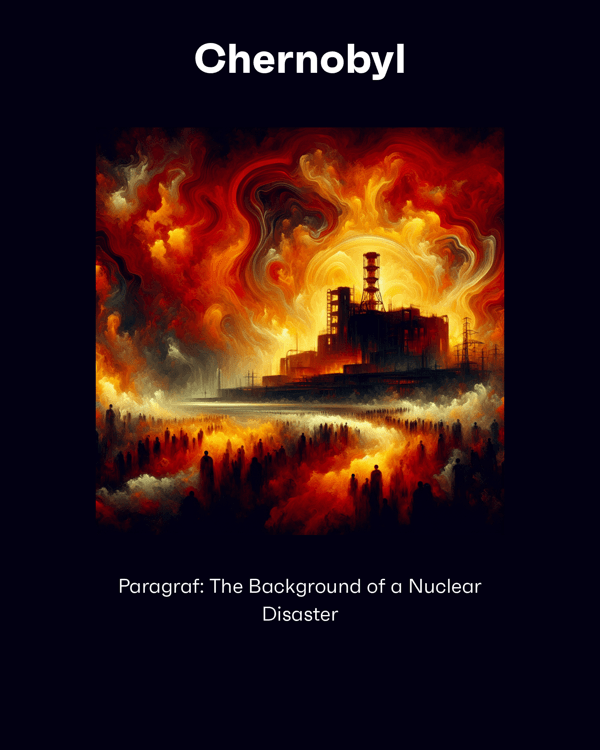
The Chernobyl disaster’s consequences were vast, affecting both human lives and the environment on an unprecedented scale. Official Soviet reports claimed 31 immediate deaths, but experts argue the toll from Acute Radiation Syndrome (ARS) and long-term radiation exposure is far higher, with projections reaching up to 93,000 fatalities. The disaster caused a 90% rise in child cancer rates in Ukraine and left tens of thousands of liquidators dead or disabled. Accountability followed, with plant managers and officials convicted, while Valery Legasov, a key scientific advisor, tragically took his own life. Environmentally, radiation equivalent to 500 Hiroshima bombs contaminated large areas, leading to deformities in animals and devastating ecosystems. Politically, Chernobyl eroded public trust in the Soviet government, particularly in Ukraine, Belarus, and Lithuania, fueling dissent and protests. Gorbachev’s loosening of censorship exposed the regime’s failures, accelerating the USSR’s co

clock10 min
bite8 Bite
target Wgląd

O czym to jest?

The Chernobyl disaster stands as one of history’s most devastating nuclear catastrophes, with far-reaching consequences for humanity, the environment, and global politics. It explores the tragic interplay of flawed reactor design, human error, and systemic denial that led to the explosion and its aftermath. The narrative delves into the environmental devastation, the human toll, and the political upheaval that contributed to the Soviet Union’s collapse, offering a gripping account of resilience, accountability, and the enduring legacy of this pivotal event.

Streszczenie książki

Serhii Plokhy is a Harvard University professor of Ukrainian history and the director of the Harvard Ukrainian Research Institute. His research is mostly concerned with the Soviet Union and Russian-Ukrainian ties.

The Chernobyl disaster’s consequences were vast, affecting both human lives and the environment on an unprecedented scale. Official Soviet reports claimed 31 immediate deaths, but experts argue the toll from Acute Radiation Syndrome (ARS) and long-term radiation exposure is far higher, with projections reaching up to 93,000 fatalities. The disaster caused a 90% rise in child cancer rates in Ukraine and left tens of thousands of liquidators dead or disabled. Accountability followed, with plant managers and officials convicted, while Valery Legasov, a key scientific advisor, tragically took his own life. Environmentally, radiation equivalent to 500 Hiroshima bombs contaminated large areas, leading to deformities in animals and devastating ecosystems. Politically, Chernobyl eroded public trust in the Soviet government, particularly in Ukraine, Belarus, and Lithuania, fueling dissent and protests. Gorbachev’s loosening of censorship exposed the regime’s failures, accelerating the USSR’s co

"The shock of war, the humiliation of defeat, and the open wound of lost territories have served as potent instruments for building national solidarity and forging a strong national identity."

"Let us never negotiate out of fear. But let us never fear to negotiate."

"A man who causes fear cannot be free from fear."

Aby przeczytać resztę książki, możesz pobrać Bitely

appstoregoogleplayapp gallery
Wszystkie kęsy
bite8 Bites

Chernobyl: The Chain Reaction Catastrophe

1
logo

Chernobyl's Fatal Test: A Chain of Errors

2
logo

Graphite's Fatal Role in Chernobyl's Collapse

3
logo

Heroes in the Shadow of Denial

4
logo

Chernobyl's Fallout: Heroes, Failures, and Survival

5
logo

Chernobyl's Fallout: Humanity's Largest Cleanup

6
logo

Chernobyl's Fallout: Human, Environmental, and Political Ruin

7
logo

Chernobyl: The Meltdown That Shattered an Empire

8
logo

Powiązane książki

mailbox-icon

Chcesz kontynuować naukę?

Nie przegap aktualizacji z ekscytującego wszechświata Bitely!

Logo
appstoregoogleplay
app gallery

Śledź nas w mediach społecznościowych

tiktokxinstagramyoutubelinkedinfacebook
© 2025 Bitely. Wszelkie prawa zastrzeżone.