Psychology
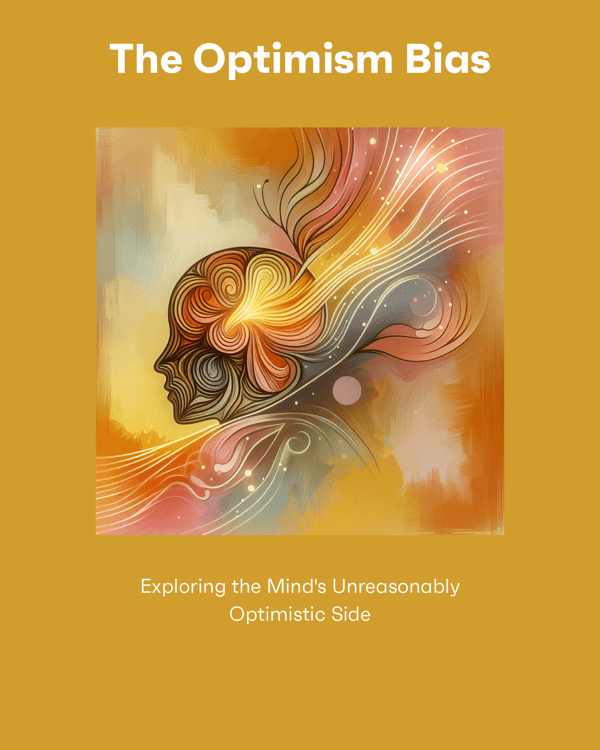
The Optimism BiasThe Optimism Bias

The Optimism Bias

user-icon

Tali Sharot

Optimism bias, a tendency to view the future more favorably than reality might warrant, shapes much of human behavior, influencing decisions, perceptions, and emotional resilience. While optimism can drive motivation, improve decision-making, and foster adaptability in challenging situations, it also has its limits and risks, particularly when it leads to overconfidence or unrealistic expectations. Studies reveal that moderate optimism strikes the best balance, promoting healthier choices and better outcomes compared to extreme optimism or pessimism. This bias is deeply rooted in brain functions, with regions like the amygdala and rACC playing key roles in processing emotions and maintaining a positive outlook. However, optimism can sometimes hinder our ability to process negative information effectively, as seen in resistance to revising risk assessments or ignoring unfavorable data. Whether in personal decisions, large-scale projects, or historical events, optimism remains a double-edged sword—capable of inspiring success while also necessitating caution to avoid its potential pitfalls.

clock13 мин
bite8 Bite
target Инсайт

О чём это?

What drives our tendency to see the future through rose-colored glasses, even when reality suggests otherwise? This book delves into the fascinating world of optimism bias, exploring how our brains are wired to focus on the positive while often downplaying the negative. Through captivating studies and real-world examples, it examines the benefits and pitfalls of optimism, from personal decision-making to large-scale projects. By uncovering the science behind our hopeful outlook, it offers a thought-provoking journey into the balance between optimism and realism in shaping our lives.

Резюме книги

Tali Sharot is a cognitive neuroscientist at University College London. Her work specializes in the emotional response of the brain and the impact this has on decision-making. She also wrote The Optimism Bias: A Tour of the Irrationally Positive Brain, which was the basis for her popular 2012 TED Talk.

Optimism bias, a tendency to view the future more favorably than reality might warrant, shapes much of human behavior, influencing decisions, perceptions, and emotional resilience. While optimism can drive motivation, improve decision-making, and foster adaptability in challenging situations, it also has its limits and risks, particularly when it leads to overconfidence or unrealistic expectations. Studies reveal that moderate optimism strikes the best balance, promoting healthier choices and better outcomes compared to extreme optimism or pessimism. This bias is deeply rooted in brain functions, with regions like the amygdala and rACC playing key roles in processing emotions and maintaining a positive outlook. However, optimism can sometimes hinder our ability to process negative information effectively, as seen in resistance to revising risk assessments or ignoring unfavorable data. Whether in personal decisions, large-scale projects, or historical events, optimism remains a double-edged sword—capable of inspiring success while also necessitating caution to avoid its potential pitfalls.

Чтобы прочитать остальную часть книги, скачайте Bitely

appstoregoogleplayapp gallery
Все кусочки
bite8 Bites

The Illusion of Rationality: How Bias Shapes Us

1
logo

The Optimism Trap: How Bias Shapes Reality

2
logo

Mapping Optimism: How the Brain Shapes Hope

3
logo

The Power of Optimism in Achieving Success

4
logo

Mastering Anticipation: How Optimism Shapes Experience

5
logo

The Optimism Bias: How It Shapes Decisions

6
logo

When Optimism Clouds Reality: The Brain’s Bias

7
logo

The Power and Perils of Balanced Optimism

8
logo

Связанные книги

mailbox-icon

Хотите продолжать учиться?

Не пропустите обновления из захватывающей вселенной Bitely!