Communication Skills
The Anatomy of PeaceThe Anatomy of Peace

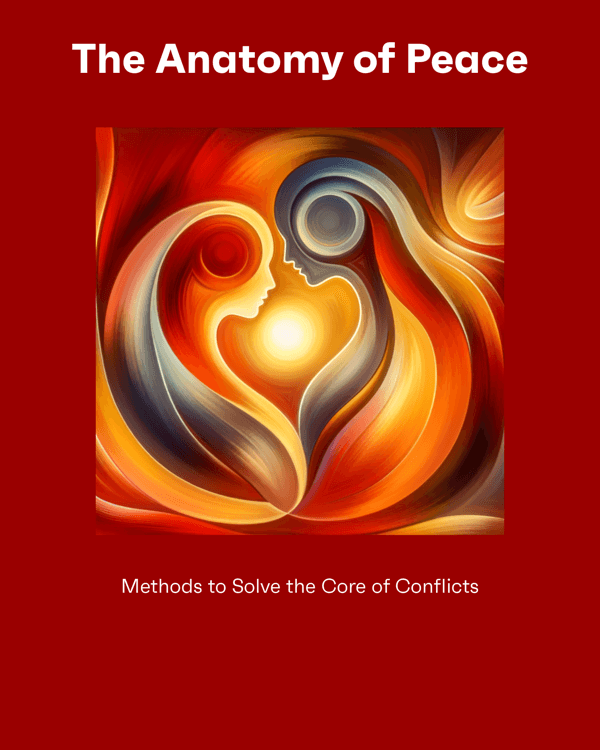
The Anatomy of Peace

user-icon

The Arbinger Institute

Conflicts often arise when we adopt a mindset of opposition, viewing others as adversaries and failing to recognize their individual perspectives. This dynamic fuels personal and global disputes, as seen in the Israel-Palestine conflict, where mutual inflexibility perpetuates tensions. In personal relationships, addressing issues with criticism or control often backfires, while compassion and understanding foster growth and connection. Similarly, in workplaces, creating a positive environment encourages engagement more effectively than blame. Our tendency to justify harmful actions stems from mental "boxes," such as the Superiority Box, where we see ourselves as better than others, or the Victim Box, where we feel unfairly treated and entitled to lash out. These perspectives trap us in self-centered thinking and perpetuate conflict. Breaking free requires empathy—stepping into others' shoes to view situations with clarity. By abandoning these mental constraints and embracing compassion, we can foster peace and understanding in our lives and relationships.

clock10 min
bite4 Bite
target Wgląd

O czym to jest?

This book delves into the roots of conflict, exploring how our perceptions, biases, and self-justifications perpetuate discord in personal, professional, and global contexts. Through thought-provoking examples and historical insights, it examines the consequences of viewing others as adversaries rather than individuals with their own fears and aspirations. By contrasting a "heart of conflict" with a "heart of peace," the narrative highlights the transformative power of empathy, compassion, and perspective-taking. Ultimately, it offers a compelling guide to fostering understanding, breaking free from harmful mindsets, and creating environments where meaningful change and harmony can thrive.

Streszczenie książki

The Arbinger Institute is a global consulting company comprising international and multidisciplinary scholars. It is recognized as leader in organizational culture, and its other books include The Anatomy of Peace and The Choice.

Conflicts often arise when we adopt a mindset of opposition, viewing others as adversaries and failing to recognize their individual perspectives. This dynamic fuels personal and global disputes, as seen in the Israel-Palestine conflict, where mutual inflexibility perpetuates tensions. In personal relationships, addressing issues with criticism or control often backfires, while compassion and understanding foster growth and connection. Similarly, in workplaces, creating a positive environment encourages engagement more effectively than blame. Our tendency to justify harmful actions stems from mental "boxes," such as the Superiority Box, where we see ourselves as better than others, or the Victim Box, where we feel unfairly treated and entitled to lash out. These perspectives trap us in self-centered thinking and perpetuate conflict. Breaking free requires empathy—stepping into others' shoes to view situations with clarity. By abandoning these mental constraints and embracing compassion, we can foster peace and understanding in our lives and relationships.

Aby przeczytać resztę książki, możesz pobrać Bitely

appstoregoogleplayapp gallery
Wszystkie kęsy
bite4 Bites

Choosing Compassion: The Power of a Peaceful Heart

1
logo

Choosing Peace Over Conflict in Everyday Life

2
logo

Fostering Change Through Empathy and Understanding

3
logo

Breaking Free: Choosing Empathy Over Conflict

4
logo

Powiązane książki

mailbox-icon

Chcesz kontynuować naukę?

Nie przegap aktualizacji z ekscytującego wszechświata Bitely!

Logo
appstoregoogleplay
app gallery

Śledź nas w mediach społecznościowych

tiktokxinstagramyoutubelinkedinfacebook
© 2025 Bitely. Wszelkie prawa zastrzeżone.