
Technology & Future
ProgressProgress

Progress

user-icon

Johan Norberg

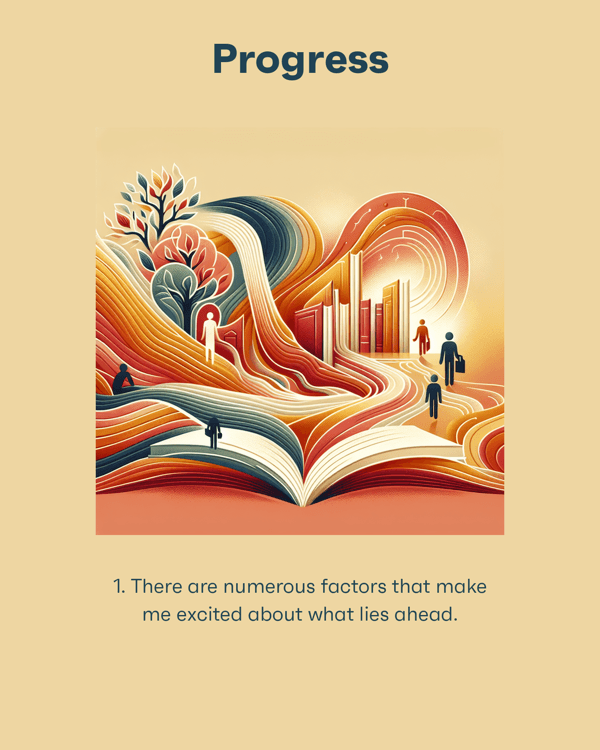
Literacy has profoundly shaped human progress, offering individuals access to knowledge, new perspectives, and career opportunities. Over centuries, global literacy rates have risen dramatically, from just 12 percent 200 years ago to 86 percent by 2015, driven by higher incomes, societal stability, and widespread education initiatives. Early efforts focused on religious instruction, but the 19th century saw philanthropists and governments championing formal education, while the 20th century brought similar advancements to developing nations. These efforts have empowered marginalized communities, narrowed gender gaps in education, and created pathways for broader societal progress. As we navigate an era of rapid information exchange, the next chapter will explore how humanity has achieved remarkable reductions in violence over time.

clock15 min
bite8 Bite
target Wgląd

O czym to jest?

The book delves into humanity's extraordinary progress over centuries, exploring how advancements in health, education, technology, and governance have transformed lives worldwide. It examines pivotal moments, from breakthroughs in medicine and agriculture to the decline of violence and discrimination, highlighting the interconnected forces driving these changes. With a focus on resilience and innovation, the narrative celebrates the strides made while acknowledging the challenges that remain. This is a compelling journey through history, offering a hopeful vision of a more equitable and prosperous future.

Streszczenie książki

Johan Norberg is a best-selling Swedish author and lecturer, and a senior fellow at Washington D.C.’s Cato Institute. He is also a regular contributor to the Wall Street Journal and HuffPost. His books include Progress: Ten Reasons to Look Forward to the Future (2016), which was named the Economist’s book of the year.

Literacy has profoundly shaped human progress, offering individuals access to knowledge, new perspectives, and career opportunities. Over centuries, global literacy rates have risen dramatically, from just 12 percent 200 years ago to 86 percent by 2015, driven by higher incomes, societal stability, and widespread education initiatives. Early efforts focused on religious instruction, but the 19th century saw philanthropists and governments championing formal education, while the 20th century brought similar advancements to developing nations. These efforts have empowered marginalized communities, narrowed gender gaps in education, and created pathways for broader societal progress. As we navigate an era of rapid information exchange, the next chapter will explore how humanity has achieved remarkable reductions in violence over time.

Aby przeczytać resztę książki, możesz pobrać Bitely
appstoregoogleplayapp gallery
Wszystkie kęsy
bite8 Bites

From Famine to Feast: Humanity's Food Revolution

1
logo

Global Health Revolution: From Clean Water to Cures

2
logo

From Poverty to Prosperity: The Global Shift

3
logo

Humanity’s Journey Toward a Less Violent World

4
logo

Wealth-Driven Solutions to Environmental Challenges

5
logo

Unlocking Potential: The Power of Global Literacy

6
logo

Progress Toward Equality: A World Transformed

7
logo

Building a Brighter, Inclusive Future

8
logo

Powiązane książki

mailbox-icon

Chcesz kontynuować naukę?

Nie przegap aktualizacji z ekscytującego wszechświata Bitely!

Logo
appstoregoogleplay
app gallery

Śledź nas w mediach społecznościowych

tiktokxinstagramyoutubelinkedinfacebook
© 2025 Bitely. Wszelkie prawa zastrzeżone.