Biography & History
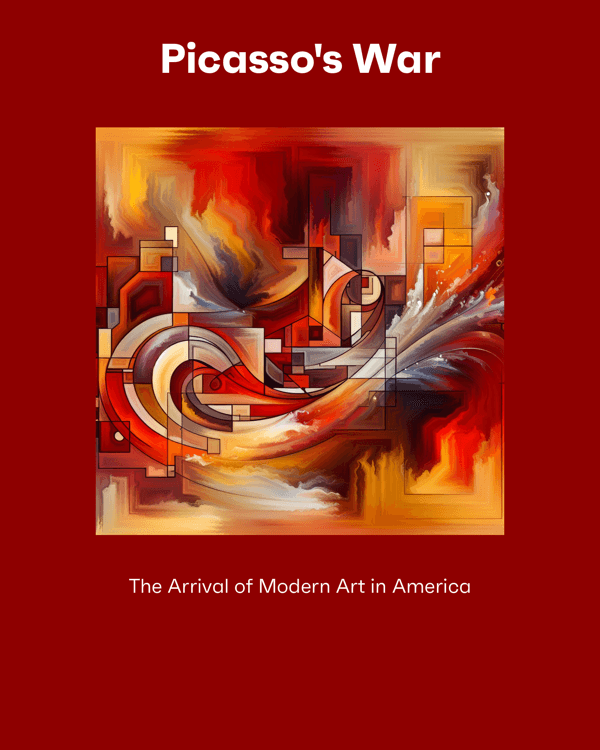
Picasso's WarPicasso's War

Picasso's War

user-icon

Hugh Eakin

John Quinn’s journey into modern art began as a passionate hobby that quickly consumed him, driven by his belief that the Metropolitan Museum lacked essential nineteenth-century works. He envisioned his collection as the foundation for a future modern art museum. In 1913, Quinn’s influence was evident in two major contributions to the movement, particularly his role in organizing the groundbreaking Armory Show. This exhibition, held in New York, traced modern art’s evolution from Impressionism to Cubism, featuring works by Monet, Renoir, Brâncuși, and Duchamp. Despite drawing large crowds, the show faced widespread ridicule, with critics and even Theodore Roosevelt dismissing it. Quinn’s efforts to stimulate the international market for modern art were hindered by steep U.S. tariffs on foreign works, which isolated American art from global trends. However, Quinn successfully lobbied for the repeal of these tariffs, opening new opportunities for collectors and dealers. The next chapter explores how European art dealers, particularly Daniel-Henry Kahnweiler, played pivotal roles in shaping Picasso’s career and bringing modern art to prominence.

clock9 min
bite5 Bite
target Wgląd

O czym to jest?

John Quinn’s journey into the world of modern art reveals how a personal passion can reshape cultural landscapes. This narrative explores his pivotal role in championing modernism, from organizing the revolutionary Armory Show to dismantling restrictive art tariffs, all while navigating public skepticism and institutional resistance. Set against a backdrop of international art dealings, political upheavals, and the rise of iconic figures like Pablo Picasso, the story captures the transformative power of visionaries who defy convention. At its heart, it’s a tale of art, ambition, and the enduring impact of those who dare to imagine a different future.

Streszczenie książki

Hugh Eakin has been a regular contributor to the New York Review of Books, and is senior editor at Foreign Affairs. He’s written extensively about art and museums for such publications as the New Yorker and Vanity Fair.

John Quinn’s journey into modern art began as a passionate hobby that quickly consumed him, driven by his belief that the Metropolitan Museum lacked essential nineteenth-century works. He envisioned his collection as the foundation for a future modern art museum. In 1913, Quinn’s influence was evident in two major contributions to the movement, particularly his role in organizing the groundbreaking Armory Show. This exhibition, held in New York, traced modern art’s evolution from Impressionism to Cubism, featuring works by Monet, Renoir, Brâncuși, and Duchamp. Despite drawing large crowds, the show faced widespread ridicule, with critics and even Theodore Roosevelt dismissing it. Quinn’s efforts to stimulate the international market for modern art were hindered by steep U.S. tariffs on foreign works, which isolated American art from global trends. However, Quinn successfully lobbied for the repeal of these tariffs, opening new opportunities for collectors and dealers. The next chapter explores how European art dealers, particularly Daniel-Henry Kahnweiler, played pivotal roles in shaping Picasso’s career and bringing modern art to prominence.

Aby przeczytać resztę książki, możesz pobrać Bitely

appstoregoogleplayapp gallery
Wszystkie kęsy
bite5 Bites

John Quinn’s Bold Encounter with Cubism

1
logo

John Quinn's Crusade for Modern Art

2
logo

Picasso’s Rise Through Chaos and Rivalry

3
logo

Building Modern Art’s Legacy in America

4
logo

Modern Art's Triumph Amid Global Turmoil

5
logo

Powiązane książki

mailbox-icon

Chcesz kontynuować naukę?

Nie przegap aktualizacji z ekscytującego wszechświata Bitely!

Logo
appstoregoogleplay
app gallery

Śledź nas w mediach społecznościowych

tiktokxinstagramyoutubelinkedinfacebook
© 2025 Bitely. Wszelkie prawa zastrzeżone.