
Politics & Society
CubedCubed

Cubed

user-icon

Nikil Saval

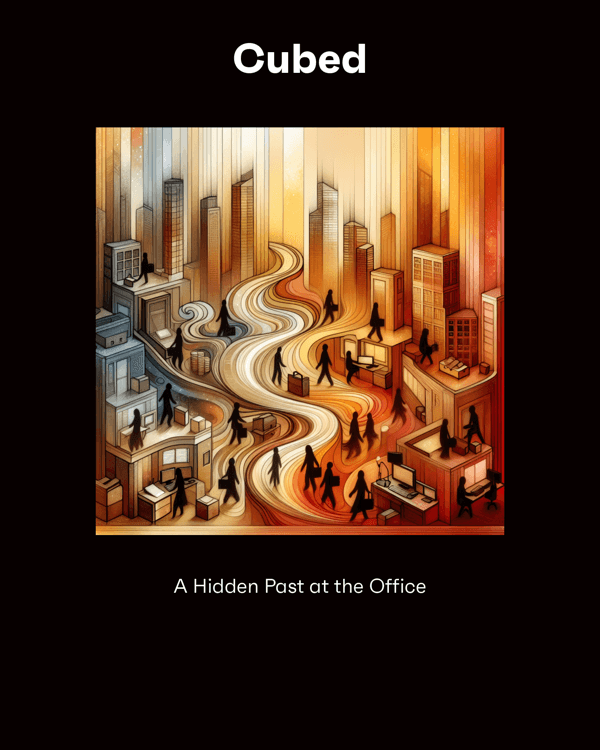
Managing paperwork has always been a challenge, evolving significantly over time. In the mid-1800s, clerks worked closely with employers in cramped counting houses, but industrialization and expanding businesses soon demanded larger, more structured office spaces, separating manual and non-manual laborers. By the early 20th century, technological advancements like railroads and telegraphs fueled the rise of large corporations, leading to overcrowded offices and the emergence of management systems like Taylorism to improve efficiency. Over decades, office design shifted from rigid layouts to innovative concepts like Bürolandschaft, emphasizing collaboration and human interaction. Meanwhile, skyscrapers transformed city skylines, symbolizing ambition while creating distinct identities for office workers, who were increasingly set apart from factory laborers. These changes laid the foundation for the modern workplace, setting the stage for further exploration of how office environments continue to evolve.

clock9 min
bite5 Bite
target Wgląd

O czym to jest?

This book delves into the fascinating evolution of office work, tracing its journey from cramped counting houses of the 1800s to the towering skyscrapers and dynamic layouts of the modern workplace. Through vivid historical examples, it explores how technological advancements, shifting management philosophies, and cultural changes shaped the environments where we work today. Along the way, it examines the human stories behind these transformations, from the trusted clerks of the past to the rise of cubicles and open offices. Engaging and insightful, it offers a fresh perspective on how our workspaces reflect broader societal shifts.

Streszczenie książki

Nikil Saval is an American writer based in Philadelphia. He is an editor at n+1, a New York-based literary magazine for culture, politics and literature.

Managing paperwork has always been a challenge, evolving significantly over time. In the mid-1800s, clerks worked closely with employers in cramped counting houses, but industrialization and expanding businesses soon demanded larger, more structured office spaces, separating manual and non-manual laborers. By the early 20th century, technological advancements like railroads and telegraphs fueled the rise of large corporations, leading to overcrowded offices and the emergence of management systems like Taylorism to improve efficiency. Over decades, office design shifted from rigid layouts to innovative concepts like Bürolandschaft, emphasizing collaboration and human interaction. Meanwhile, skyscrapers transformed city skylines, symbolizing ambition while creating distinct identities for office workers, who were increasingly set apart from factory laborers. These changes laid the foundation for the modern workplace, setting the stage for further exploration of how office environments continue to evolve.

Aby przeczytać resztę książki, możesz pobrać Bitely
appstoregoogleplayapp gallery
Wszystkie kęsy
bite5 Bites

From Counting Houses to Corporate Desks

1
logo

From Counting Houses to Corporate Hives

2
logo

Skyscrapers and the Rise of Office Identity

3
logo

Revolutionizing Workspaces: The Rise of Bürolandschaft

4
logo

The Evolution of Office Spaces and Design

5
logo

Powiązane książki

mailbox-icon

Chcesz kontynuować naukę?

Nie przegap aktualizacji z ekscytującego wszechświata Bitely!

Logo
appstoregoogleplay
app gallery

Śledź nas w mediach społecznościowych

tiktokxinstagramyoutubelinkedinfacebook
© 2025 Bitely. Wszelkie prawa zastrzeżone.