Economy & Finance
Crisis CaravanCrisis Caravan

Crisis Caravan

user-icon

Linda Polman

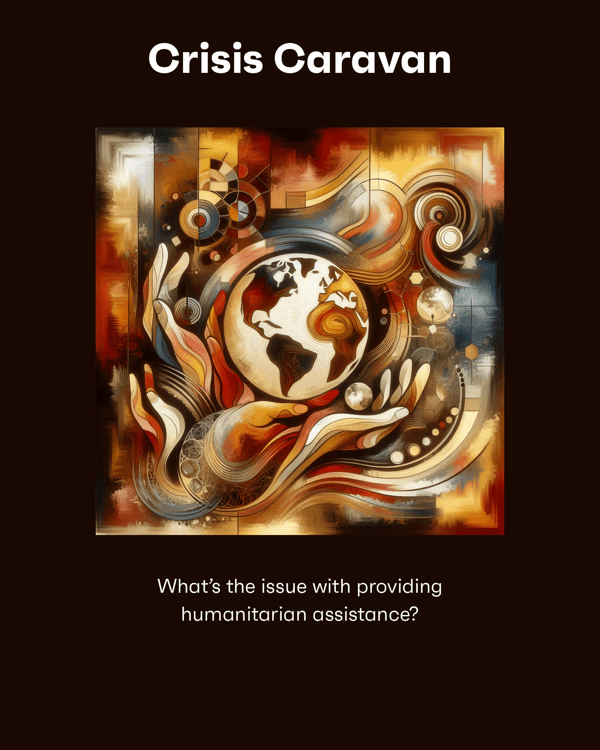
Humanitarian aid, while intended to alleviate suffering, often faces significant challenges that undermine its effectiveness. Charity organizations, driven by financial incentives and competition for media attention, sometimes exaggerate crises, as seen during the cholera outbreak in Goma amid the Rwandan genocide. Aid efforts can also be exploited by warring factions, with refugee camps becoming hubs for violence or manipulation, further endangering civilians. The prioritization of crises often depends on media visibility and donor interest, leading to selective assistance and neglect of less-publicized emergencies. Mismanagement of funds, reliance on intermediaries, and entanglement with military objectives, as demonstrated in Afghanistan, further complicate aid delivery. Additionally, unqualified individuals and unregulated MONGOs can exacerbate crises through poorly executed interventions. To improve humanitarian aid, organizations must embrace transparency, accountability, and critical reflection on past failures while maintaining their commitment to neutrality and impartiality.

clock10 min
bite7 Bite
target Wgląd

O czym to jest?

Humanitarian aid is often seen as a noble endeavor, yet the complexities behind its implementation reveal a more troubling reality. This book explores how aid organizations, driven by financial pressures and competition, sometimes resort to unethical practices, compromise neutrality, or even exacerbate crises. From inflated death tolls in refugee camps to the misuse of funds in conflict zones like Afghanistan, it examines the unintended consequences of well-meaning efforts. Through historical and contemporary examples, it challenges readers to rethink the effectiveness and accountability of modern humanitarian aid.

Streszczenie książki

Linda Polman is a journalist with over fifteen years of experience reporting from war zones. She is the author of We Did Nothing: Why The Truth Doesn’t Always Come Out When The UN Goes In, which was shortlisted for the Lettre Ulysses Award for the Art of Reportage.

Humanitarian aid, while intended to alleviate suffering, often faces significant challenges that undermine its effectiveness. Charity organizations, driven by financial incentives and competition for media attention, sometimes exaggerate crises, as seen during the cholera outbreak in Goma amid the Rwandan genocide. Aid efforts can also be exploited by warring factions, with refugee camps becoming hubs for violence or manipulation, further endangering civilians. The prioritization of crises often depends on media visibility and donor interest, leading to selective assistance and neglect of less-publicized emergencies. Mismanagement of funds, reliance on intermediaries, and entanglement with military objectives, as demonstrated in Afghanistan, further complicate aid delivery. Additionally, unqualified individuals and unregulated MONGOs can exacerbate crises through poorly executed interventions. To improve humanitarian aid, organizations must embrace transparency, accountability, and critical reflection on past failures while maintaining their commitment to neutrality and impartiality.

Aby przeczytać resztę książki, możesz pobrać Bitely

appstoregoogleplayapp gallery
Wszystkie kęsy
bite7 Bites

When Aid Fails: The Business of Crisis

1
logo

When Aid Backfires: The Hidden Costs

2
logo

The Politics of Aid: Winners and Losers

3
logo

Exposing the Hidden Costs of Humanitarian Aid

4
logo

When Good Intentions Deepen Humanitarian Crises

5
logo

Aid Missteps: Lessons from Afghanistan's Failures

6
logo

Rethinking Humanitarian Aid: Lessons from Missteps

7
logo

Powiązane książki

mailbox-icon

Chcesz kontynuować naukę?

Nie przegap aktualizacji z ekscytującego wszechświata Bitely!

Logo
appstoregoogleplay
app gallery

Śledź nas w mediach społecznościowych

tiktokxinstagramyoutubelinkedinfacebook
© 2025 Bitely. Wszelkie prawa zastrzeżone.