Buchzusammenfassung
Tom Vanderbilt is a prolific author with works appearing in The New York Times Magazine, Popular Science, Smithsonian, and London Review of Books. He is the author of best-selling non-fiction titles such as You May Also Like: Taste in an Age of Endless Choice, Traffic: Why We Drive the Way We Do (and What It Says About Us), and Survival City: Adventures Among the Ruins of Atomic America.
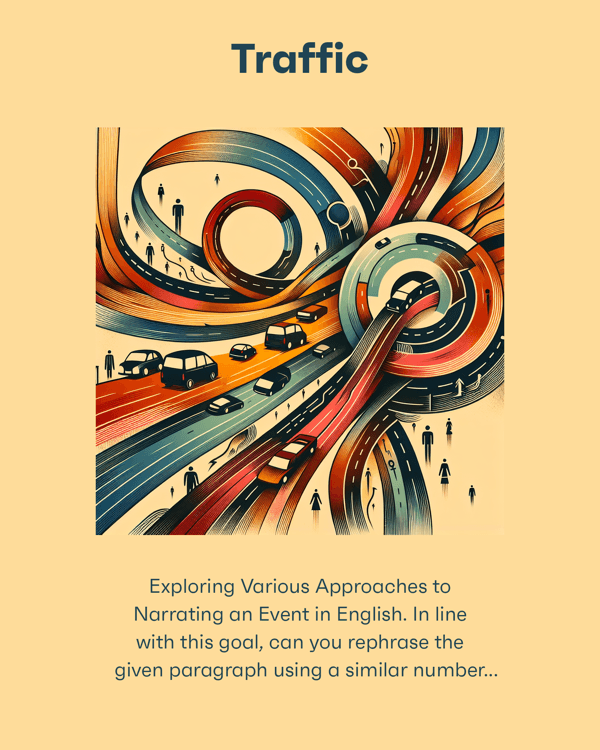
When we step into a car, our sense of identity often merges with the machine, making any perceived slight—like being cut off—feel personal and triggering defensive reactions. This frustration is amplified in traffic jams, where our innate sense of fairness is tested, and behaviors like lane-switching, though largely ineffective, give the illusion of control. Interestingly, roads that seem dangerous, like narrow mountain paths, encourage caution and reduce accidents, while safer-looking roads can foster recklessness. Similarly, roundabouts, though intimidating to some, are statistically safer than intersections due to their design promoting slower speeds. Driving, a highly practiced skill, often becomes automatic, leading to highway hypnosis and vulnerability to distractions, which are a major cause of accidents. Efforts to reduce congestion, such as building new roads, often backfire due to latent demand, while strategies like congestion pricing have proven effective. Feedback, though a powerful tool for improvement, is difficult to implement among drivers, and our tendency to overestimate our abilities further complicates self-assessment, leaving us with the question of how to truly improve road behavior.
Um den Rest des Buches zu lesen, können Sie
Bitely herunterladen

 9 min
9 min 6 Bite
 Einblick


 6 Bites