Politics & Society
SelflessSelfless

Selfless

user-icon

Brian Lowery

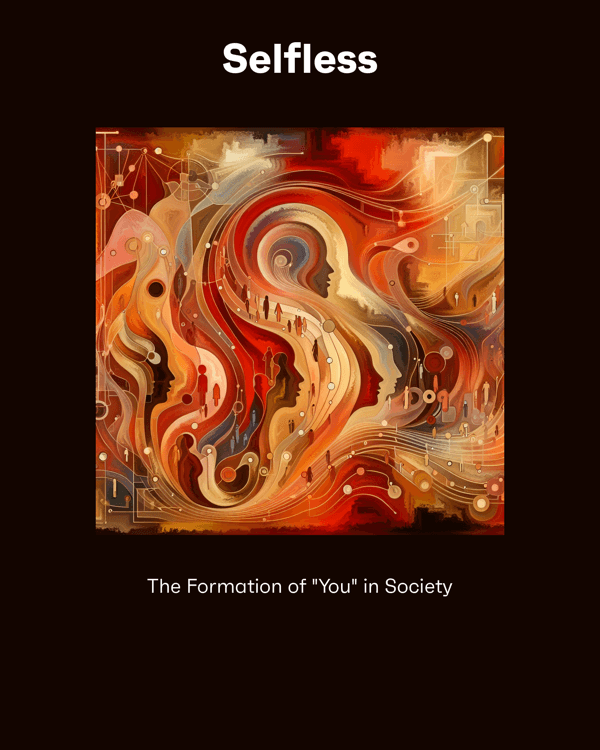
The self is profoundly shaped by the interplay of societal, relational, and technological influences. The nation-state exerts a significant impact, shaping morality, residency, and group affiliations, while close relationships—be they familial, platonic, or romantic—play a pivotal role in forming beliefs and behaviors. Communities and social groups further contribute to identity, offering belonging but also presenting challenges like rejection. Technology, meanwhile, expands social networks and perspectives but can also constrain through algorithmic influence. These forces highlight the self's two defining traits: its capacity for change, shaped by both major and minor experiences, and its multiplicity, as different contexts bring out distinct yet authentic facets. Ultimately, the self is a dynamic construct, deeply rooted in the connections and systems that define human existence.

clock8 min
bite7 Bite
target Einblick

Worum geht es?

The book delves into the profound ways social connections, communities, and societal structures shape our sense of self. It explores how factors like nation-states, relationships, and technology influence identity, revealing the intricate interplay between external forces and personal growth. By examining the self as dynamic and multifaceted, the narrative challenges the notion of a fixed identity, emphasizing the transformative power of interactions and experiences. Thought-provoking and richly layered, it invites readers to reflect on the complexity of who we are and how we evolve.

Buchzusammenfassung

Brian Lowery is a social psychologist, Stanford University professor, writer, and podcast host. He has coauthored multiple journal articles, including “Self-Essentialist Reasoning Underlies the Similarity-Attraction Effect” and “Gender Backlash and the Moderating Role of Shared Racial Group Membership.” Selfless is his first book.

The self is profoundly shaped by the interplay of societal, relational, and technological influences. The nation-state exerts a significant impact, shaping morality, residency, and group affiliations, while close relationships—be they familial, platonic, or romantic—play a pivotal role in forming beliefs and behaviors. Communities and social groups further contribute to identity, offering belonging but also presenting challenges like rejection. Technology, meanwhile, expands social networks and perspectives but can also constrain through algorithmic influence. These forces highlight the self's two defining traits: its capacity for change, shaped by both major and minor experiences, and its multiplicity, as different contexts bring out distinct yet authentic facets. Ultimately, the self is a dynamic construct, deeply rooted in the connections and systems that define human existence.

Um den Rest des Buches zu lesen, können Sie Bitely herunterladen

appstoregoogleplayapp gallery
Alle Bissen
bite7 Bites

Identity Shaped Through Relationships and Society

1
logo

How Relationships Shape the Core Self

2
logo

Shaped by Communities, Defined by Connections

3
logo

Nation-States: Shaping Identity and Belonging

4
logo

Shaping the Self in a Digital World

5
logo

Shaping the Self: A Life of Change

6
logo

Freedom’s Paradox: How Relationships Shape Identity

7
logo

Verwandte Bücher

mailbox-icon

Möchten Sie weiter lernen?

Verpassen Sie keine Updates aus dem aufregenden Universum von Bitely!