Buchzusammenfassung
Andrew Fowler was an investigative journalist for (Australian) ABC TV’s Four Corners program and was also foreign editor and chief of staff at The Australian. His series of interviews with Wikileaks’ Julian Assange led to the publication of his award-winning book, The Most Dangerous Man in the World. Fowler is retired from daily journalism and spends his time between Sydney and Paris.
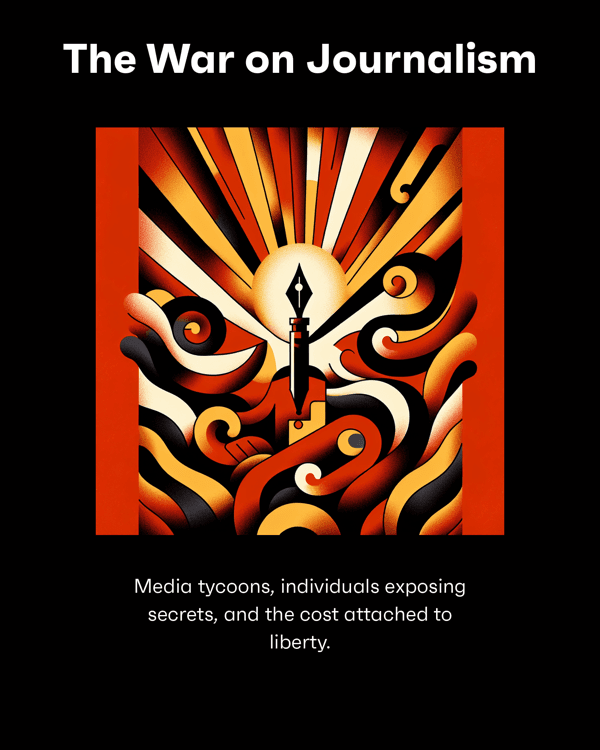
The concept of "freedom of information" reveals a stark contrast between the protections afforded to journalists and the harsh consequences faced by whistleblowers. While the First Amendment safeguards journalists reporting on government misconduct, whistleblowers like Edward Snowden and Stephen Kim have faced prosecution for exposing classified information. The Snowden leaks highlighted the NSA's extensive surveillance, including monitoring U.S. allies, but led to limited changes in domestic practices while foreign surveillance persisted. These revelations have forced investigative journalists to adopt stringent measures to protect sources, yet mainstream media often avoids controversial stories due to fear of retaliation, leaving platforms like WikiLeaks and freelance journalists to fill the gap. The digital age has revolutionized journalism by providing vast access to information but has also undermined traditional revenue models, creating financial challenges for media outlets. Despite these obstacles, the press remains a critical pillar of democracy, holding power to account and influencing societal change, as seen in events like the Arab Spring and the exposure of government scandals. However, the future of investigative journalism hangs in the balance, threatened by increased surveillance, financial instability, and self-censorship.
Um den Rest des Buches zu lesen, können Sie
Bitely herunterladen

 9 min
9 min 6 Bite
 Einblick


 6 Bites