Buchzusammenfassung
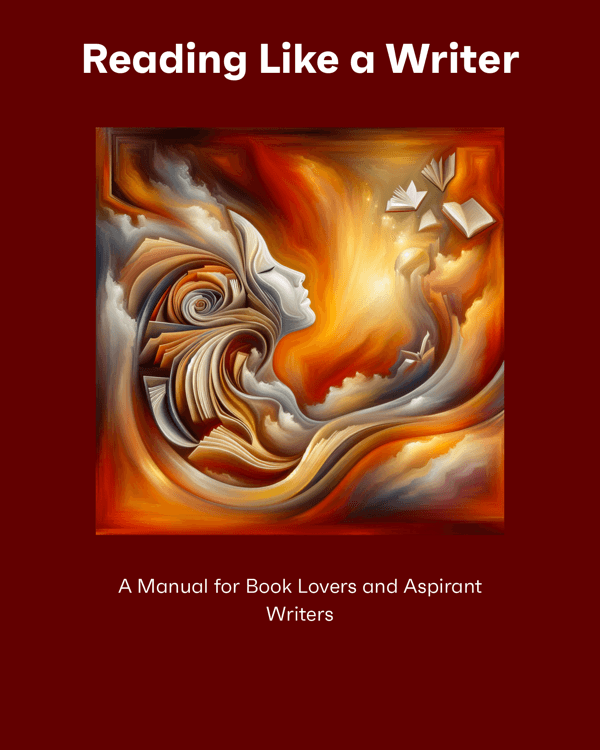
Francine Prose is a best-selling author and essay writer. She’s also won several literary prizes and was a finalist for the National Book Award in 2000 for her novel, Blue Angel.
Narratives can be shaped through countless perspectives, but first- and third-person viewpoints remain the most adaptable and widely used. First-person narrators must be compelling, even if flawed, as seen in Humbert Humbert’s unsettling yet mesmerizing voice in *Lolita*. Third-person narrators, on the other hand, can offer an omniscient view, sometimes with a distinct personality, like the curious, childlike tone in *Two Serious Ladies*. Great characters emerge through actions, thoughts, or dialogue, with writers like Kleist emphasizing deeds, Austen delving into introspection, and Bowles revealing inner chaos through speech. Paragraphing, akin to breathing or cinematic framing, shapes rhythm and focus, while word choice, from opening lines to dialogue, conveys layers of meaning, as seen in O’Connor’s archetypal “grandmother” or Joyce’s rhythmic prose. Specific details, like a Volvo in Trevor’s *Access to the Children* or a gesture in Turgenev’s *First Love*, anchor authenticity. Slow, deliberate reading uncovers these intricacies, transforming the experience into a journey of discovery, much like tracing themes of sight and blindness in *Oedipus Rex* or *King Lear*. The next section will explore how to identify patterns that deepen this engagement.
Um den Rest des Buches zu lesen, können Sie
Bitely herunterladen








 12 min
 7 Bite
 Einblick
 7 Bites