Buchzusammenfassung
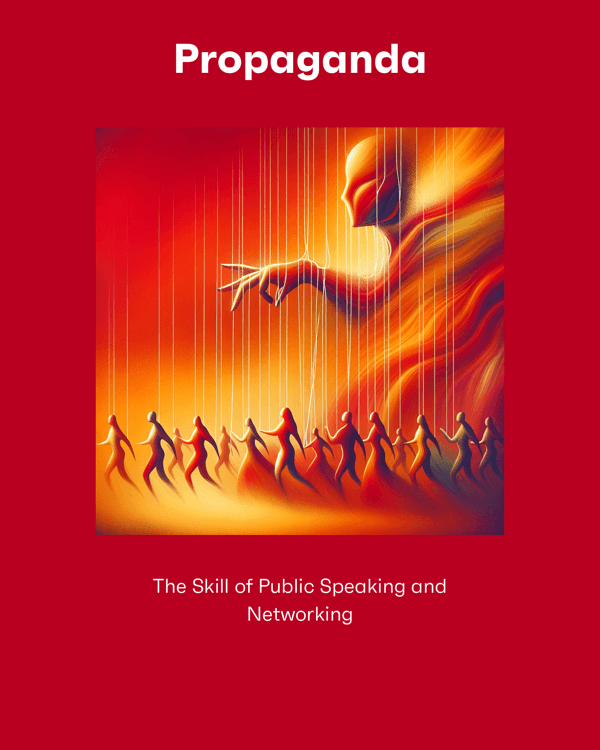
Edward Bernays was known to his contemporaries as the “father of public relations.” Born in 1891, he was a propagandist for the American government during the First World War. Drawing on the techniques he learned in those years, he developed a scientific theory of propaganda – the manipulation of public opinion by both commercial and political interests. By the time of his death in 1995, he’d become one of the most influential men in American public life.
Propaganda was a defining force in the 20th century, particularly during World War I, where it justified hardships, mobilized civilians, and fostered support for the war. Edward Bernays, a key figure in the U.S. Committee on Public Information, helped reframe the war as a fight for democracy, a strategy that proved highly effective. Bernays, however, criticized the Committee for shaping public opinion rather than merely informing it, arguing that propaganda was morally neutral and its ethics depended on its goals. He believed democracy’s flaws necessitated expert guidance to manage the irrational tendencies of the masses. Drawing from his wartime experience, Bernays applied these principles to consumer marketing, such as his successful campaign to promote bacon by leveraging doctors’ endorsements. He likened selling products to influencing politics, asserting that understanding unconscious desires allowed for large-scale manipulation. By 1928, as American society became more urban, fast-paced, and consumer-driven, Bernays proposed a system where democratic propagandists would guide public choices, maintaining order while preserving the illusion of freedom. For him, true leadership lay in subtly shaping public opinion, ensuring democracy functioned effectively amidst its inherent instability.
Um den Rest des Buches zu lesen, können Sie
Bitely herunterladen








 10 min
 5 Bite
 Einblick
 5 Bites