Buchzusammenfassung
Matthew Desmond is the Maurice P. During Professor of Sociology at Princeton University, where he also serves as principal investigator of the Evacuation Lab. He was also elected to the American Philosophical Association in 2022.
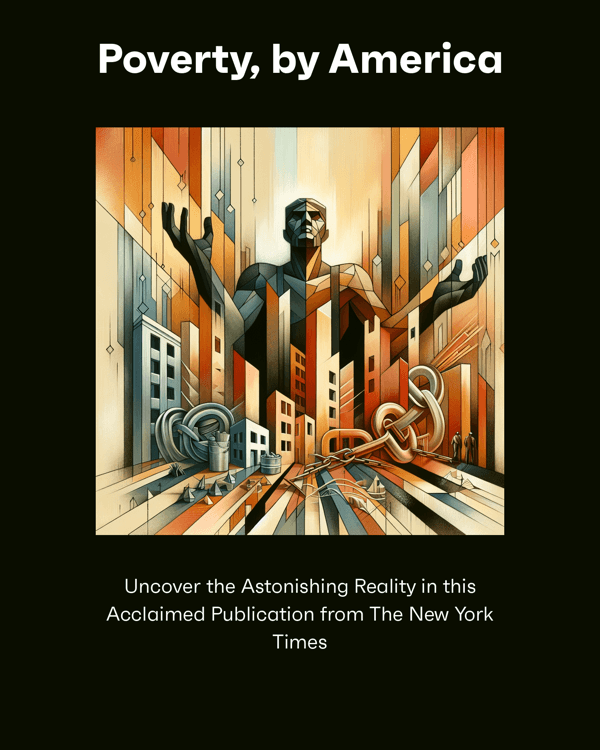
Worker exploitation takes many forms, from stagnant wages to the rise of temporary work arrangements that strip employees of benefits and job security. Despite inflation, real wages in the U.S. have barely increased since 1979, and millions still earn at or below the federal minimum wage. Corporations often resist wage increases, prioritizing profits, which underscores the need for Congress to step in by raising and regularly adjusting the minimum wage. Temporary workers and independent contractors face further disadvantages, lacking protections like sick leave and overtime pay, while also being excluded from opportunities for advancement. Strengthening unions and introducing labor laws that promote sector-wide bargaining could empower workers across industries. Beyond the workplace, exploitation extends to consumer practices, such as inflated rents in low-income neighborhoods, where landlords profit disproportionately despite poor property conditions. Exclusionary zoning laws exacerbate inequality by limiting affordable housing and barring low-income families from accessing better opportunities in affluent areas. Replacing these laws with inclusive policies and incentivizing affordable housing development could help bridge this divide. While government assistance programs like Medicaid and tax credits play a crucial role in alleviating poverty, challenges such as unequal benefits distribution, complex application processes, and tax avoidance hinder their effectiveness. Addressing these issues through equitable tax reforms and increased IRS funding could redirect resources toward essential antipoverty initiatives. Ultimately, eradicating poverty requires collective action, including individual efforts to support ethical businesses, foster inclusivity, and advocate for systemic change, creating a ripple effect that drives meaningful societal transformation.
“Decent, affordable housing should be a basic right for everybody in this country. The reason is simple: without stable shelter, everything else falls apart.”
“The home is the wellspring of personhood. It is where our identity takes root and blossoms.”
Um den Rest des Buches zu lesen, können Sie
Bitely herunterladen


 8 min
8 min 5 Bite
 Einblick


 5 Bites