
Kategorien
ArtikelApp herunterladen
mailbox-icon

Möchten Sie weiter lernen?

Verpassen Sie keine Updates aus dem aufregenden Universum von Bitely!

Logo

Schnellzugriff

  • Über uns
  • Blog
  • Karriere
  • FAQ
  • Kontakt

Beliebte Kategorien

  • Business & Career
  • Leadership & Entrepreneurship
  • For Kids
  • Technology & Future
  • Psychology
appstoregoogleplay
app gallery

Folgen Sie uns in den sozialen Medien

tiktokxinstagramyoutubelinkedinfacebook
  • Sitemap
  • Nutzungsbedingungen
  • Datenschutzrichtlinie
  • Cookies
© 2025 Bitely. Alle Rechte vorbehalten.
Philosophy
Meditations on First PhilosophyMeditations on First Philosophy
Meditations on First Philosophy
Philosophy

Meditations on First Philosophy

user-icon

René Descartes

Thank you for dedicating your time to our analytical series on "Meditations on First Philosophy" by René Descartes. It's essential to remember that although absolute certainty about our external environment may elude us, with the diligent application of reason and detailed introspection, we can construct robust cases for our own existence, the presence of a divine entity, and gain an enriched understanding of the often-missed nuances of reality.

hashtagphilosophy
clock6 min
bite5 Bite
target Einblick

Worum geht es?

Descartes published Meditations on First Philosophy in 1641, an influential work famous for the quote: "I think, therefore I am" or "cogito ergo sum." In this book, Descartes shares his musings on epistemology and his endeavors to establish the existence of God.

Buchzusammenfassung

René Descartes was the French philosopher and father of the skeptic tradition that broke away from earlier philosophy based on Aristotelian thought. His work is focused primarily on ontology and epistemology and was both admired and criticized in his day.

Thank you for dedicating your time to our analytical series on "Meditations on First Philosophy" by René Descartes. It's essential to remember that although absolute certainty about our external environment may elude us, with the diligent application of reason and detailed introspection, we can construct robust cases for our own existence, the presence of a divine entity, and gain an enriched understanding of the often-missed nuances of reality.

Um den Rest des Buches zu lesen, können Sie Bitely herunterladen
appstoregoogleplayapp gallery
Alle Bissen
bite5 Bites

Our perceptions can be misleading.

1
logo

Our thoughts indicate our existence.

2
logo

All the notions of items and entities have three distinct levels of creation and being.

3
logo

The presence of God can be inferred from our innate notions and capacities.

4
logo

The mind and body are two distinctly different entities.

5
logo

Verwandte Bücher

The Logic of Scientific DiscoveryThe Logic of Scientific Discovery

The Logic of Scientific Discovery

user-icon

Karl Popper

This book dives into the fascinating world of scientific reasoning, exploring the contrasting philosophies of Karl Popper and other key thinkers. Through engaging analogies like swans and dice rolls, it examines the principles of falsifiability, the limits of inductive reasoning, and the role of probability in science. With a focus on uncertainty and the relentless pursuit of refinement, it reveals how science evolves through challenges, offering a thought-provoking perspective on the nature of knowledge and discovery.

clock-icon
9 min
LeviathanLeviathan

Leviathan

user-icon

Thomas Hobbes

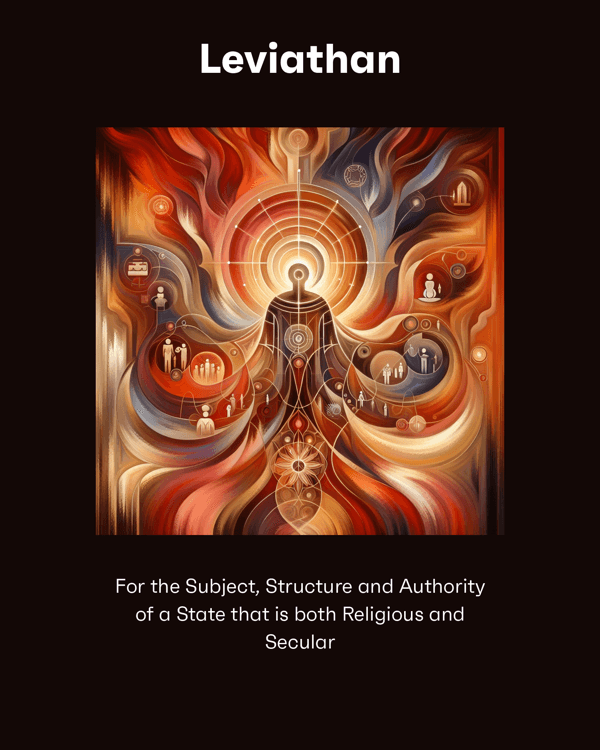
A community’s security hinges on a collective agreement to relinquish certain rights to a central authority, the leviathan, which embodies the unified strength of its members. Through themes of power, governance, and human nature, this work explores how societal order arises from a shared social contract. It delves into the balance between freedom and authority, the necessity of centralized rule, and the role of rationality in shaping laws. By examining the dynamics of control, conflict, and cooperation, it presents a compelling vision of stability and freedom within a structured commonwealth.

clock-icon
15 min
A Room of One’s OwnA Room of One’s Own

A Room of One’s Own

user-icon

Virginia Woolf

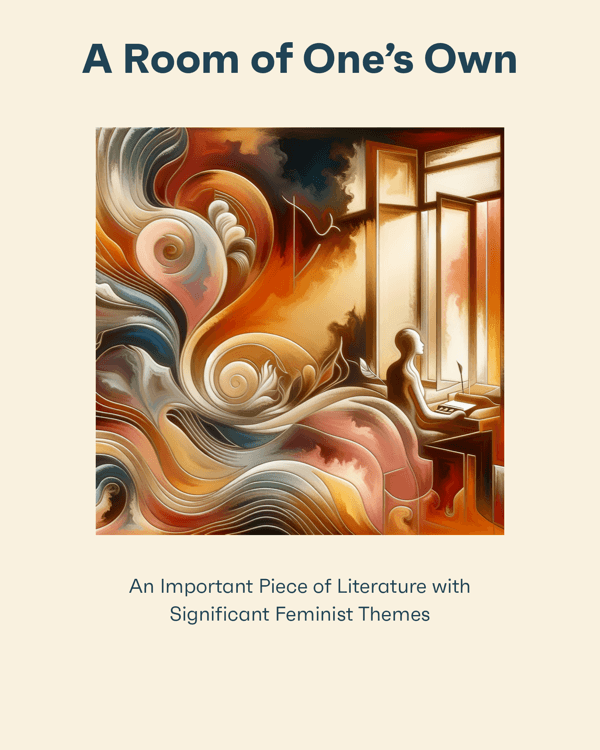
This book delves into the intricate relationship between gender, creativity, and societal constraints, exploring how historical inequalities shaped the literary landscape. Through vivid examples and thought-provoking analysis, it examines the barriers women faced in pursuing artistic ambitions and the profound impact of these limitations on culture and history. Key themes include the transformative power of education, the importance of financial independence, and the potential of transcending gender norms to achieve artistic greatness. Engaging and insightful, it invites readers to reflect on the untapped brilliance lost to systemic inequities and the possibilities of a more inclusive creative future.

clock-icon
12 min
Theories of ChildhoodTheories of Childhood

Theories of Childhood

user-icon

Carol Garhart Mooney

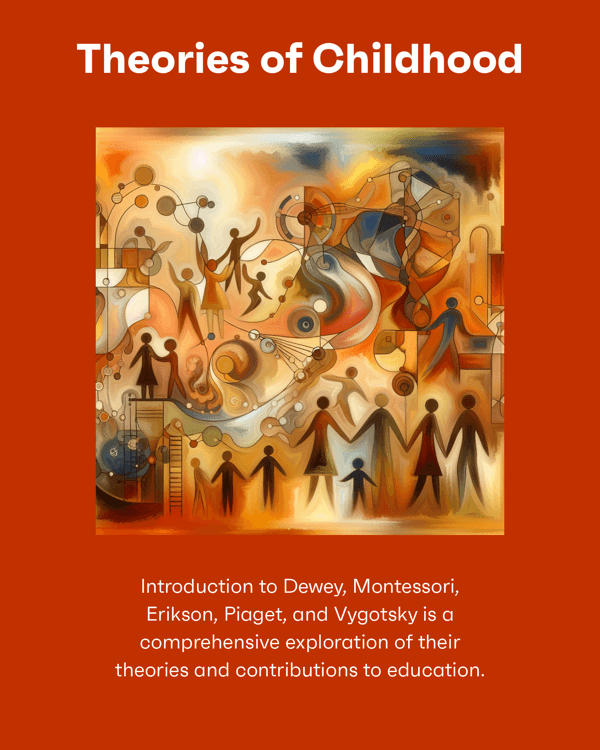
Lev Vygotsky was a pioneering Russian psychologist whose groundbreaking ideas transformed our understanding of how children learn. Fascinated by the interplay between cognitive and language development, he introduced innovative concepts like the Zone of Proximal Development (ZPD) and scaffolding, which emphasize the importance of guided support in mastering new skills. Vygotsky’s work highlighted the profound influence of social interactions, culture, and environment on a child’s learning process, with play serving as a critical space for cognitive and linguistic growth. Though his life was tragically brief, his theories remain a cornerstone of modern education, inspiring practices that prioritize observation, collaboration, and dynamic learning.

clock-icon
9 min
The Logic of Scientific DiscoveryThe Logic of Scientific Discovery

The Logic of Scientific Discovery

user-icon

Karl Popper

This book dives into the fascinating world of scientific reasoning, exploring the contrasting philosophies of Karl Popper and other key thinkers. Through engaging analogies like swans and dice rolls, it examines the principles of falsifiability, the limits of inductive reasoning, and the role of probability in science. With a focus on uncertainty and the relentless pursuit of refinement, it reveals how science evolves through challenges, offering a thought-provoking perspective on the nature of knowledge and discovery.

clock-icon
9 min
LeviathanLeviathan

Leviathan

user-icon

Thomas Hobbes

A community’s security hinges on a collective agreement to relinquish certain rights to a central authority, the leviathan, which embodies the unified strength of its members. Through themes of power, governance, and human nature, this work explores how societal order arises from a shared social contract. It delves into the balance between freedom and authority, the necessity of centralized rule, and the role of rationality in shaping laws. By examining the dynamics of control, conflict, and cooperation, it presents a compelling vision of stability and freedom within a structured commonwealth.

clock-icon
15 min
A Room of One’s OwnA Room of One’s Own

A Room of One’s Own

user-icon

Virginia Woolf

This book delves into the intricate relationship between gender, creativity, and societal constraints, exploring how historical inequalities shaped the literary landscape. Through vivid examples and thought-provoking analysis, it examines the barriers women faced in pursuing artistic ambitions and the profound impact of these limitations on culture and history. Key themes include the transformative power of education, the importance of financial independence, and the potential of transcending gender norms to achieve artistic greatness. Engaging and insightful, it invites readers to reflect on the untapped brilliance lost to systemic inequities and the possibilities of a more inclusive creative future.

clock-icon
12 min
Theories of ChildhoodTheories of Childhood

Theories of Childhood

user-icon

Carol Garhart Mooney

Lev Vygotsky was a pioneering Russian psychologist whose groundbreaking ideas transformed our understanding of how children learn. Fascinated by the interplay between cognitive and language development, he introduced innovative concepts like the Zone of Proximal Development (ZPD) and scaffolding, which emphasize the importance of guided support in mastering new skills. Vygotsky’s work highlighted the profound influence of social interactions, culture, and environment on a child’s learning process, with play serving as a critical space for cognitive and linguistic growth. Though his life was tragically brief, his theories remain a cornerstone of modern education, inspiring practices that prioritize observation, collaboration, and dynamic learning.

clock-icon
9 min
Becoming MyselfBecoming Myself

Becoming Myself

user-icon

Irvin D. Yalom

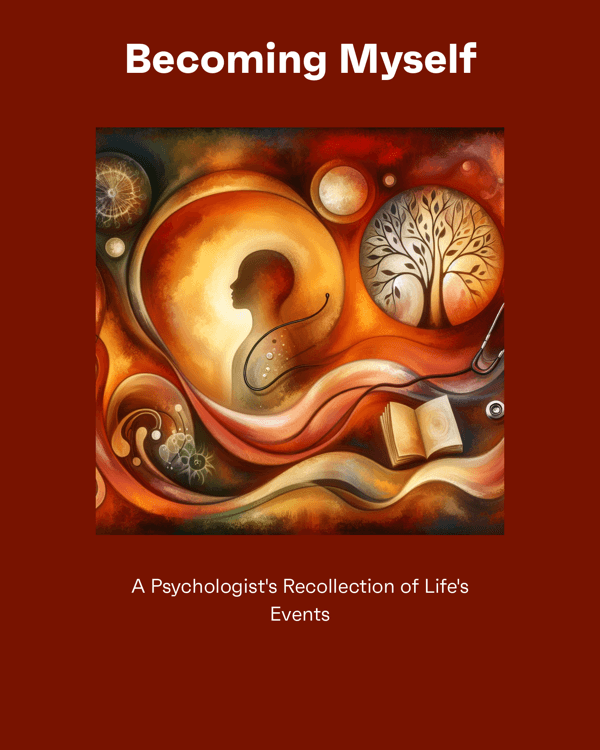
Irvin D. Yalom’s life and work intertwine psychiatry, philosophy, and storytelling in profound and transformative ways. From a challenging childhood shaped by strained family dynamics to a groundbreaking career in psychotherapy, Yalom has dedicated himself to exploring the human condition. His innovative contributions, including existential therapy and celebrated novels like *When Nietzsche Wept*, reflect his unique ability to blend therapeutic insight with philosophical depth. As he continues to reflect on mortality and meaning, Yalom’s journey inspires both his readers and patients to confront life’s most essential questions with courage and curiosity.

clock-icon
7 min
What Makes Us Human?What Makes Us Human?

What Makes Us Human?

What Makes Us Human?

user-icon

Charles Pasternak, editor

In the book "What Defines Humanity" (2007), a panel of scholars discusses thoughts on this age-old inquiry. These summaries delve into the enigma surrounding our kind, seeking answers as to why only humans engage in culinary practices, exhibit imaginative thinking, and comprehend causality.

clock-icon
16 min

Bitely

Kategorien

Philosophy

Meditations on First Philosophy