Buchzusammenfassung
Sasha Polakow-Suransky is an acclaimed journalist and the former editor of “International Opinion” at the New York Times. He is also the writer of the book The Unspoken Alliance: Israel’s Secret Relationship with Apartheid South Africa.
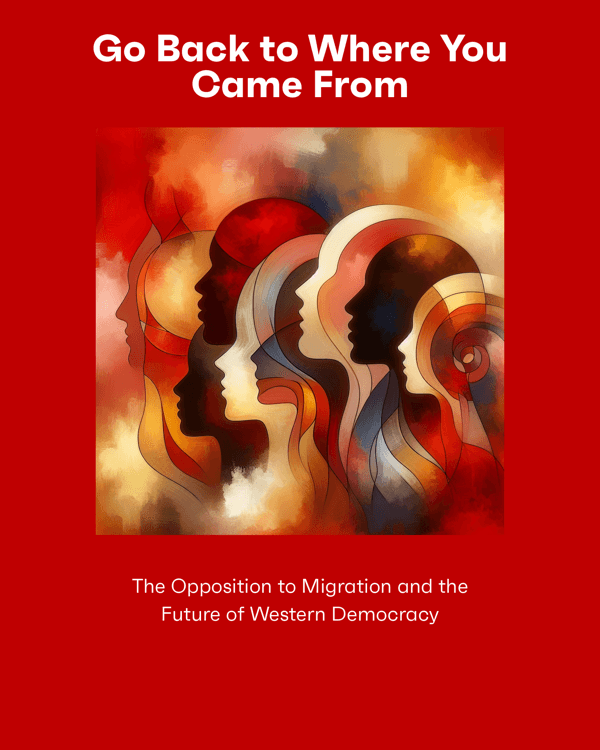
Understanding history is vital to avoid repeating its mistakes, as seen in the parallels between modern Islamophobia and the anti-Semitism of the Nazi era. Right-wing figures justify their fear of Muslims by citing terrorism, yet this mirrors how the Nazis exploited isolated incidents, like Herschel Grynszpan's 1938 attack, to demonize Jews. Today, populist leaders like Marine Le Pen use similar tactics, portraying Muslims as threats while attempting to rebrand their parties. Muslim migrants face systemic discrimination, labeled as either job thieves or societal burdens, a perception rooted in flawed integration policies that alienate them further. This marginalization, coupled with unequal treatment, fuels radicalization and reinforces stereotypes, as seen in events like France's burkini ban or the Cologne assaults. The rise of identity politics, both in Europe and the U.S., has amplified fears of cultural threats, with populist parties exploiting these anxieties to gain support, particularly among working-class voters who feel abandoned by the left. These dynamics, exacerbated by events like 9/11 and attacks on liberal values, have deepened divisions, allowing far-right movements to thrive by positioning themselves as defenders of societal order.
Um den Rest des Buches zu lesen, können Sie
Bitely herunterladen








 9 min
9 min 7 Bite
 Einblick
 7 Bites