Buchzusammenfassung
Hans Rosling was an esteemed public educator who strove to enlighten the minds of people around the globe. He used his decades of experience as a medical doctor and professor of public health to provide useful information about and solutions to the challenges of the day, especially in low-income communities. Before he passed away in 2017, Rosling gave extremely popular TED Talks and was ranked among the most influential people in the world by Time magazine.
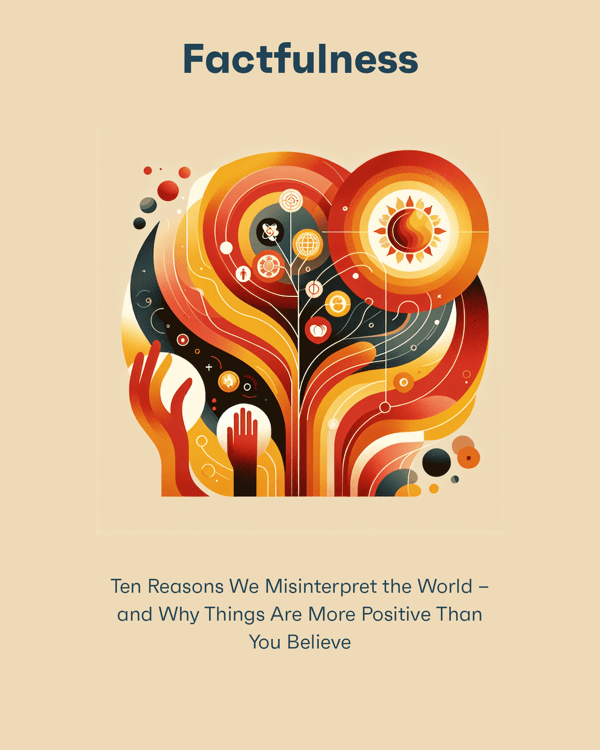
In low-income nations, 60% of girls complete public school, and women aged 30 have, on average, spent nine years in education—just one year less than the global male average. These achievements, along with a dramatic drop in extreme poverty from 85% in 1800 to 9% today, highlight significant progress often overshadowed by negativity. Media's focus on disasters and crime amplifies this perception, despite advancements like safer construction reducing disaster-related fatalities to 25% of their century-old levels. Misconceptions, such as the outdated "West versus the rest" mindset, persist, even as global child mortality rates have plummeted and nations once deemed "developing" now rival Western standards. Similarly, fears of unchecked population growth are unfounded, with projections showing stabilization by 2100 due to declining poverty and smaller family sizes. Yet, instincts like fear and impulsiveness skew our worldview, leading to exaggerated concerns about violence or overpopulation. Addressing complex issues like climate change, refugee crises, or neglected medical research requires evidence-based thinking, not oversimplified blame or fear-mongering. Progress, such as the near-universal vaccination of one-year-olds, challenges stereotypes about infrastructure in poorer regions. By focusing on income levels rather than cultural divides, we can better understand global advancements and recognize the nuanced, interconnected nature of our world.
Um den Rest des Buches zu lesen, können Sie
Bitely herunterladen








 12 min
 6 Bite
 Einblick
 6 Bites