Politics & Society
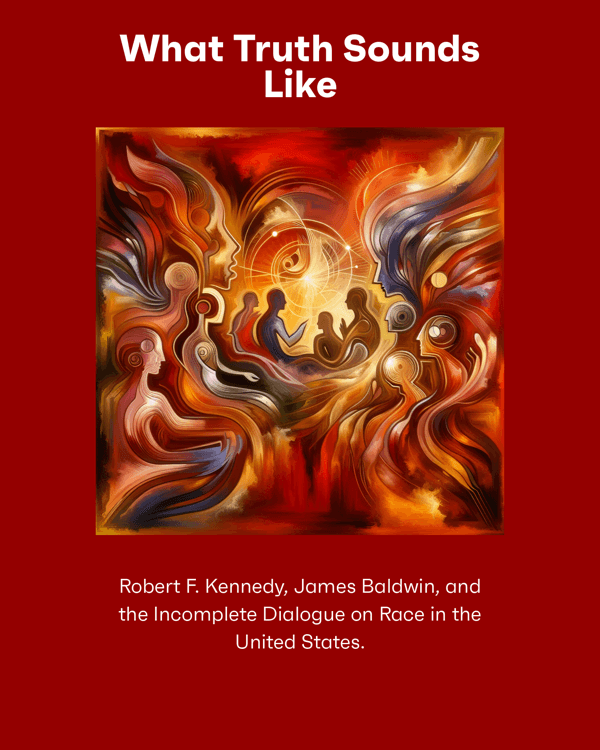
What Truth Sounds LikeWhat Truth Sounds Like

What Truth Sounds Like

user-icon

Michael Eric Dyson

James Baldwin's unparalleled literary talent and incisive critique of racism set a high standard for African American intellectuals, though he faced criticism, notably from Eldridge Cleaver, whose disdain was likely tied to Baldwin's homosexuality. This tension reflects a broader divide between intellectuals and radical activists, a theme mirrored in the comparison between Baldwin and Ta-Nehisi Coates. While Coates' meticulous dissection of white supremacy in *Between the World and Me* earned acclaim, including a MacArthur Fellowship, he too faced criticism, particularly from Cornel West, who accused him of failing to challenge Barack Obama. Such conflicts underscore the ongoing need for collaboration between activists and intellectuals. Similarly, Robert Kennedy's 1963 meeting with Black leaders, including James Baldwin, revealed the emotional toll of racism and marked a turning point in his understanding of civil rights. Initially defensive, Kennedy grew to empathize with figures like Freedom Rider Jerome Smith, whose harrowing experiences highlighted the failures of peaceful resistance. This evolution paralleled broader societal tensions, as seen in Hillary Clinton's 2015 engagement with Black Lives Matter, where emotional appeals reshaped her approach to activism. Figures like Baldwin, Lorraine Hansberry, and Harry Belafonte exemplified the power of cultural advocacy, while modern works like *Hamilton*, *Get Out*, and *Black Panther* continue to challenge racial narratives, echoing Baldwin's assertion that race is a social construct. These moments and movements emphasize the enduring struggle for equality and the transformative potential of dialogue, empathy, and cultural expression.

clock16 min
bite9 Bite
target Insight

What's it about?

James Baldwin's legacy as a literary giant and moral critic of American racism remains unparalleled, inspiring comparisons to contemporary voices like Ta-Nehisi Coates. This narrative explores the enduring tensions between intellectuals and activists, the evolution of civil rights leadership, and the intersections of policy, personal experience, and cultural identity. From Robert Kennedy's transformative encounters with Black leaders to the revolutionary impact of pop culture works like *Black Panther*, the text examines how historical and modern figures confront systemic inequality while shaping the fight for justice. Through rich storytelling, it highlights the complexities of progress and the power of dialogue in bridging divides.

Book summary

Michael Eric Dyson is a widely respected public intellectual and the author of the New York Times best sellers Tears We Cannot Stop and What Truth Sounds Like. He is also an opinion writer for the New York Times and is a contributing editor at the New Republic and ESPN’s The Undefeated. Dyson holds the distinguished position of University Professor of Sociology at Georgetown University, where he teaches an acclaimed course on JAY-Z’s life and work.

James Baldwin's unparalleled literary talent and incisive critique of racism set a high standard for African American intellectuals, though he faced criticism, notably from Eldridge Cleaver, whose disdain was likely tied to Baldwin's homosexuality. This tension reflects a broader divide between intellectuals and radical activists, a theme mirrored in the comparison between Baldwin and Ta-Nehisi Coates. While Coates' meticulous dissection of white supremacy in *Between the World and Me* earned acclaim, including a MacArthur Fellowship, he too faced criticism, particularly from Cornel West, who accused him of failing to challenge Barack Obama. Such conflicts underscore the ongoing need for collaboration between activists and intellectuals. Similarly, Robert Kennedy's 1963 meeting with Black leaders, including James Baldwin, revealed the emotional toll of racism and marked a turning point in his understanding of civil rights. Initially defensive, Kennedy grew to empathize with figures like Freedom Rider Jerome Smith, whose harrowing experiences highlighted the failures of peaceful resistance. This evolution paralleled broader societal tensions, as seen in Hillary Clinton's 2015 engagement with Black Lives Matter, where emotional appeals reshaped her approach to activism. Figures like Baldwin, Lorraine Hansberry, and Harry Belafonte exemplified the power of cultural advocacy, while modern works like *Hamilton*, *Get Out*, and *Black Panther* continue to challenge racial narratives, echoing Baldwin's assertion that race is a social construct. These moments and movements emphasize the enduring struggle for equality and the transformative potential of dialogue, empathy, and cultural expression.

To read rest of the book, you can download Bitely

appstoregoogleplayapp gallery
All Bites
bite9 Bites

Robert F. Kennedy and James Baldwin: Bridging Divides

1
logo

Robert Kennedy, James Baldwin, and the Fight for Civil Rights

2
logo

Voices of Change: Baldwin’s Historic Gathering

3
logo

Voices of Defiance: Kennedy’s Reckoning with Racial Injustice

4
logo

Confronting Racism: Lessons from Activism and Policy

5
logo

Confronting Racism: Lessons from Past and Present

6
logo

Athletes and Artists Redefining Social Justice

7
logo

Baldwin, Coates, and the Struggle for Truth

8
logo

Redefining Power: Pop Culture’s Role in Racial Identity

9
logo

Related Books

mailbox-icon

Want to keep learning?

Big ideas, bite-sized lessons—feed your curiosity every day with Bitely!