Self-Growth
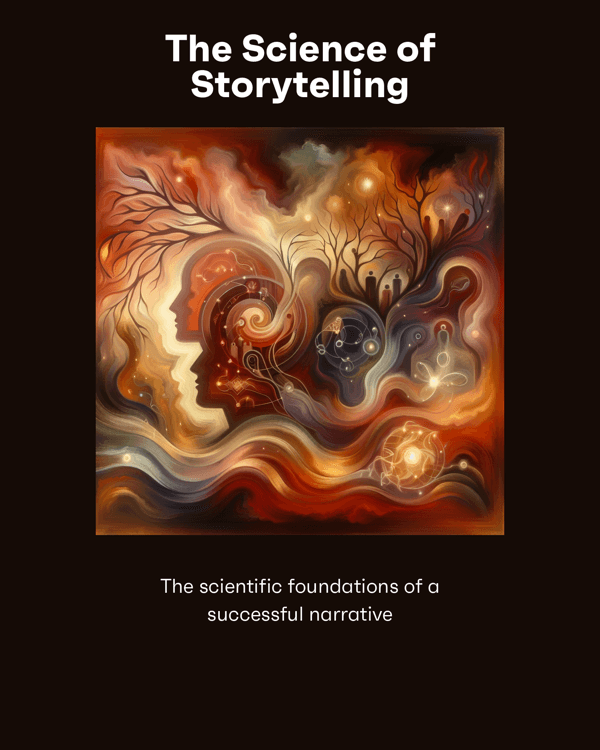
The Science of StorytellingThe Science of Storytelling

The Science of Storytelling

user-icon

Will Storr

Every story element serves a purpose, from vivid details that linger in memory to dialogue that reveals character depth and environmental descriptions that hint at hidden truths. Poetic imagery, like metaphors, enhances engagement by stimulating the brain and evoking strong associations. Humans are drawn to narratives because of our innate drive to understand others, tied to both connection and status. This tension is reflected in the struggles of fictional characters, whose flaws and ambitions mirror our own. Compelling stories often challenge characters’ beliefs and expose their true selves through unexpected events, as seen in *The Truman Show* or *Gone Girl*. These narratives allow readers to explore imperfections safely, reflecting on their own while empathizing with others. Stories also act as subtle propaganda, teaching societal norms or challenging prejudices, as in *The Narrative of the Life of Frederick Douglass*. By immersing us in others’ perspectives, they offer a space for self-discovery, growth, and understanding, setting the stage for deeper storytelling exploration.

clock14 min
bite7 Bite
target Insight

What's it about?

Every story is a journey into the human experience, exploring the complexities of flawed characters and the narratives they inhabit. From the tension between outward appearances and inner truths to the conflicts born of deeply ingrained beliefs, stories reveal the essence of what drives us. They challenge our perceptions, evoke empathy, and immerse us in the struggles of others, offering a safe space to confront our own imperfections. Through vivid details, compelling dialogue, and transformative events, storytelling becomes a powerful tool for understanding ourselves and the world around us.

Book summary

Will Storr is an award-winning writer, journalist and photographer. The recipient of the prestigious National Press Club award, his previous books include The Heretics and The Hunger and Howling of Killian Lone. He has also written for the Guardian and Times Magazine.

Every story element serves a purpose, from vivid details that linger in memory to dialogue that reveals character depth and environmental descriptions that hint at hidden truths. Poetic imagery, like metaphors, enhances engagement by stimulating the brain and evoking strong associations. Humans are drawn to narratives because of our innate drive to understand others, tied to both connection and status. This tension is reflected in the struggles of fictional characters, whose flaws and ambitions mirror our own. Compelling stories often challenge characters’ beliefs and expose their true selves through unexpected events, as seen in *The Truman Show* or *Gone Girl*. These narratives allow readers to explore imperfections safely, reflecting on their own while empathizing with others. Stories also act as subtle propaganda, teaching societal norms or challenging prejudices, as in *The Narrative of the Life of Frederick Douglass*. By immersing us in others’ perspectives, they offer a space for self-discovery, growth, and understanding, setting the stage for deeper storytelling exploration.

To read rest of the book, you can download Bitely

appstoregoogleplayapp gallery
All Bites
bite7 Bites

The Brain’s Hidden Role in Shaping Stories

1
logo

Unmasking Ourselves Through Flawed Characters

2
logo

Crafting Flawed Characters That Captivate

3
logo

Unveiling Character Depth Through Conflict

4
logo

Unlocking Characters Through Curiosity and Conflict

5
logo

Status, Struggles, and the Human Drive

6
logo

Stories as Tools for Shaping Beliefs

7
logo

Related Books

mailbox-icon

Want to keep learning?

Big ideas, bite-sized lessons—feed your curiosity every day with Bitely!