Psychology
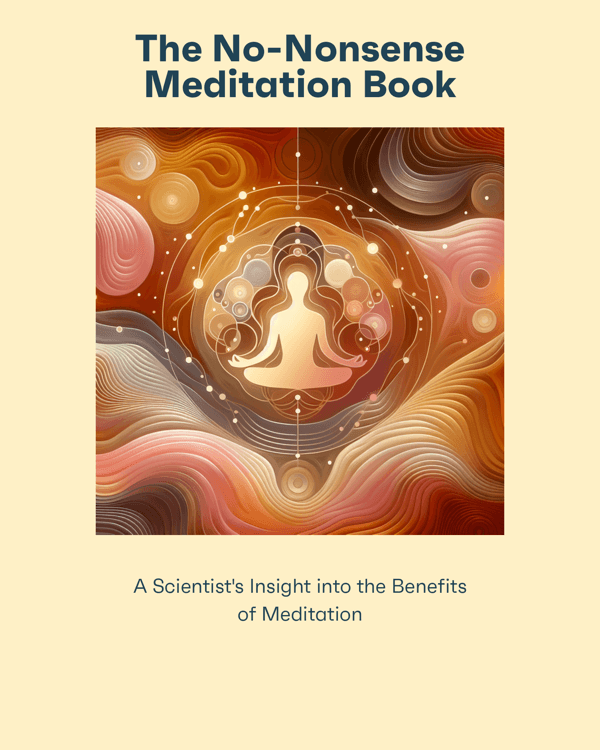
The No-Nonsense Meditation BookThe No-Nonsense Meditation Book

The No-Nonsense Meditation Book

user-icon

Steven Laureys

Meditation takes many forms across cultures, from the deliberate movements of qigong in Chinese philosophy to the mantra-based practices of Hinduism and Buddhism, and even Christian contemplative prayer as a dialogue with God. Despite its diversity, meditation universally emphasizes mental focus, offering a way to train the brain much like physical exercise strengthens the body. Modern life, with its relentless pace and constant distractions, often pulls us away from the present moment, fueling stress and diminishing our ability to fully enjoy life. However, mindfulness practices, such as focusing on the sensations of drinking tea or performing a body scan, can help anchor us in the now, rewiring the brain for greater relaxation and contentment. Supported by scientific studies, meditation has been shown to reduce stress, enhance focus, and even alter brain structure, improving emotional regulation and connectivity. By engaging in these mental exercises, we can harness the brain’s neuroplasticity to cultivate a more balanced, fulfilling life.

clock12 min
bite7 Bite
target Insight

What's it about?

Meditation is a practice as varied as its practitioners, spanning cultures and traditions worldwide. From the deliberate movements of qigong in Chinese philosophy to the mantra-based focus of Hindu and Buddhist practices, and even the contemplative prayers of Western Christianity, meditation takes many forms. Despite these differences, its essence lies in cultivating mental engagement and enhancing focus. This book explores the science, techniques, and transformative potential of meditation, offering practical insights into how it can reshape the mind, reduce stress, and enrich daily life.

Book summary

Steven Laureys is a Belgian neurologist and author who specializes in the neurology of consciousness. He is a professor at the University of Liège, Belgium, and the director of the Coma Science Group at the city’s University Hospital. Laureys’s work has been distinguished with the William James Prize and the Cognitive Neuroscience Society Young Investigator Award.

Meditation takes many forms across cultures, from the deliberate movements of qigong in Chinese philosophy to the mantra-based practices of Hinduism and Buddhism, and even Christian contemplative prayer as a dialogue with God. Despite its diversity, meditation universally emphasizes mental focus, offering a way to train the brain much like physical exercise strengthens the body. Modern life, with its relentless pace and constant distractions, often pulls us away from the present moment, fueling stress and diminishing our ability to fully enjoy life. However, mindfulness practices, such as focusing on the sensations of drinking tea or performing a body scan, can help anchor us in the now, rewiring the brain for greater relaxation and contentment. Supported by scientific studies, meditation has been shown to reduce stress, enhance focus, and even alter brain structure, improving emotional regulation and connectivity. By engaging in these mental exercises, we can harness the brain’s neuroplasticity to cultivate a more balanced, fulfilling life.

To read rest of the book, you can download Bitely

appstoregoogleplayapp gallery
All Bites
bite7 Bites

Reclaiming Focus: Taming the Overactive Mind

1
logo

Rewiring Your Brain Through Neuroplasticity

2
logo

Training Your Mind: The Power of Meditation

3
logo

Meditation’s Power to Reshape Your Brain

4
logo

Rewiring Your Brain Through Mindful Focus

5
logo

Mastering Calm: The Power of Mindful Breathing

6
logo

Mastering Mindfulness: Embrace the Present Moment

7
logo

Related Books

mailbox-icon

Want to keep learning?

Big ideas, bite-sized lessons—feed your curiosity every day with Bitely!