
Health, Sports, Lifestyle
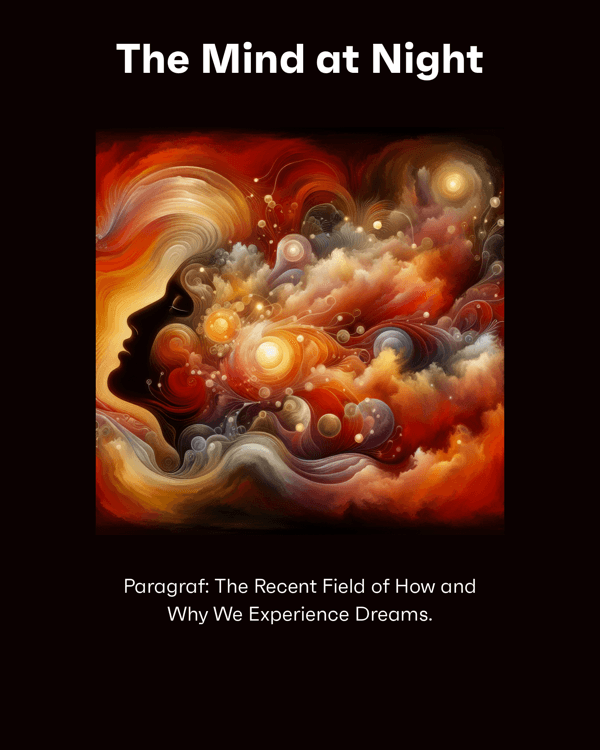
The Mind at NightThe Mind at Night

The Mind at Night

user-icon

Andrea Rock

Dreams serve as a natural form of self-therapy, connecting past emotions to present experiences and offering reassurance when tied to memories of overcoming challenges. While they can boost confidence, dreams reflecting heavy emotions may worsen depression, with antidepressants sometimes alleviating this by suppressing REM sleep. Sleep, a vital part of life, involves distinct stages, culminating in REM sleep, where dreams are most vivid and the brain processes emotions and memories. This stage activates emotional centers like the limbic system, while the prefrontal cortex's inactivity explains the surreal nature of dreams. Dreams also enhance survival skills, as seen in universal themes like being chased, and help humans distinguish reality from illusion—a trait less developed in animals. Beyond survival, dreams fuel creativity, problem-solving, and emotional growth, as demonstrated by studies and artistic breakthroughs. Techniques like lucid dreaming allow individuals to harness this creative potential, showcasing sleep as a dynamic process that extends far beyond mere rest.

clock8 min
bite6 Bite
target Insight

What's it about?

Dreams serve as a fascinating bridge between our emotions, memories, and creativity, offering profound insights into mental health and human evolution. This book explores the intricate processes of sleep, from the meditative pre-sleep phase to the vivid and surreal world of REM dreams, revealing their role in emotional healing, problem-solving, and artistic inspiration. Through engaging examples and scientific discoveries, it delves into how dreams sharpen survival instincts, nurture creativity, and help us navigate life's challenges. By uncovering the mysteries of the dream world, readers will gain a deeper appreciation for the transformative power of sleep.

Book summary

Andrea Rock is an investigative journalist who has won a number of awards, including the National Magazine Award and the Investigative Journalist and Editors Award.

Dreams serve as a natural form of self-therapy, connecting past emotions to present experiences and offering reassurance when tied to memories of overcoming challenges. While they can boost confidence, dreams reflecting heavy emotions may worsen depression, with antidepressants sometimes alleviating this by suppressing REM sleep. Sleep, a vital part of life, involves distinct stages, culminating in REM sleep, where dreams are most vivid and the brain processes emotions and memories. This stage activates emotional centers like the limbic system, while the prefrontal cortex's inactivity explains the surreal nature of dreams. Dreams also enhance survival skills, as seen in universal themes like being chased, and help humans distinguish reality from illusion—a trait less developed in animals. Beyond survival, dreams fuel creativity, problem-solving, and emotional growth, as demonstrated by studies and artistic breakthroughs. Techniques like lucid dreaming allow individuals to harness this creative potential, showcasing sleep as a dynamic process that extends far beyond mere rest.

To read rest of the book, you can download Bitely
appstoregoogleplayapp gallery
All Bites
bite6 Bites

Unlocking the Mysteries of Sleep and Dreams

1
logo

Unlocking the Emotional Power of REM Dreams

2
logo

Dreams: Unlocking Survival Instincts and Insights

3
logo

How Dreams Shape Memory and Creativity

4
logo

Emotions, Dreams, and the Mind’s Resilience

5
logo

Unlocking Creativity Through the Power of Dreams

6
logo

Related Books

mailbox-icon

Want to keep learning?

Big ideas, bite-sized lessons—feed your curiosity every day with Bitely!