
Business & Career
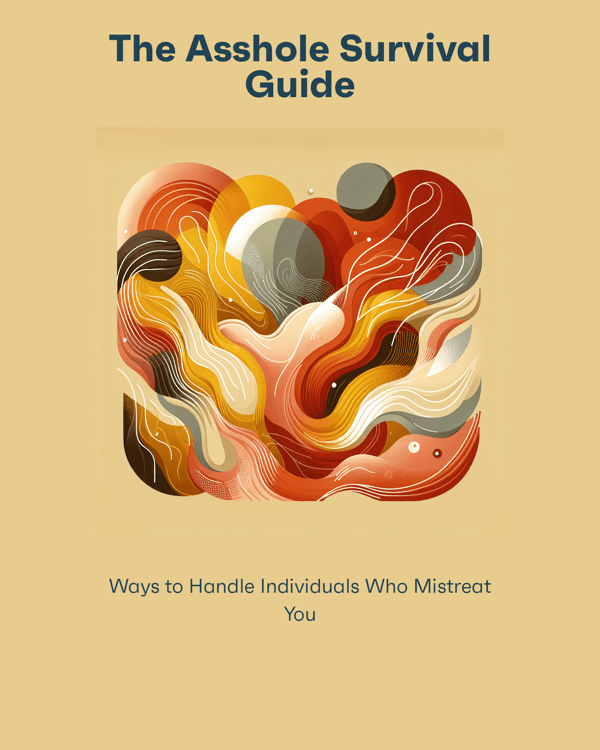
The Asshole Survival GuideThe Asshole Survival Guide

The Asshole Survival Guide

user-icon

Robert I. Sutton

Unpleasant individuals can manifest in various ways, from blatant favoritism to subtle yet harmful behaviors, leaving others feeling oppressed or belittled. Recognizing the emotional toll of such interactions is crucial to regaining control and minimizing their impact, especially in professional settings. While occasional unpleasantness may stem from specific strategies, consistent toxicity is inexcusable and can lead to normalization of mistreatment, often tied to the sunk cost fallacy. Strategies like reframing perspectives, documenting behavior, and setting boundaries can help mitigate the effects of difficult people. Additionally, self-awareness is vital to ensure we’re not unknowingly contributing to negativity, as power and privilege often amplify such tendencies. Ultimately, fostering kindness and consideration, regardless of success or status, leads to more meaningful and harmonious relationships.

clock9 min
bite6 Bite
target Insight

What's it about?

What makes someone truly unpleasant? This book dives into the spectrum of difficult personalities, from mildly annoying behaviors to outright toxic patterns, offering insights into how these interactions affect us emotionally and how to regain control. Through compelling anecdotes, scientific research, and practical strategies, it explores ways to navigate challenging relationships, whether by reframing perspectives, setting boundaries, or addressing problematic behavior directly. With a blend of humor and wisdom, it also challenges readers to reflect on their own actions, emphasizing the importance of self-awareness and kindness in fostering healthier connections.

Book summary

Robert I. Sutton is a professor of management science at Stanford University, where he has contributed several articles to publications such as Harvard Business Review, the Financial Times and the McKinsey Quarterly. He is also the best-selling author of The No Asshole Rule and Good Boss, Bad Boss: How to Be the Best and Learn from the Worst.

Unpleasant individuals can manifest in various ways, from blatant favoritism to subtle yet harmful behaviors, leaving others feeling oppressed or belittled. Recognizing the emotional toll of such interactions is crucial to regaining control and minimizing their impact, especially in professional settings. While occasional unpleasantness may stem from specific strategies, consistent toxicity is inexcusable and can lead to normalization of mistreatment, often tied to the sunk cost fallacy. Strategies like reframing perspectives, documenting behavior, and setting boundaries can help mitigate the effects of difficult people. Additionally, self-awareness is vital to ensure we’re not unknowingly contributing to negativity, as power and privilege often amplify such tendencies. Ultimately, fostering kindness and consideration, regardless of success or status, leads to more meaningful and harmonious relationships.

To read rest of the book, you can download Bitely
appstoregoogleplayapp gallery
All Bites
bite6 Bites

Mastering the Art of Handling Difficult People

1
logo

Breaking Free from Toxic Workplace Blindness

2
logo

Shielding Yourself from Toxic Influence

3
logo

Reframe Negativity: Turning Challenges Into Growth

4
logo

Navigating Toxic Behavior with Strategic Responses

5
logo

Breaking the Jerk Cycle: Self-Awareness Matters

6
logo

Related Books

mailbox-icon

Want to keep learning?

Big ideas, bite-sized lessons—feed your curiosity every day with Bitely!