Biography & History
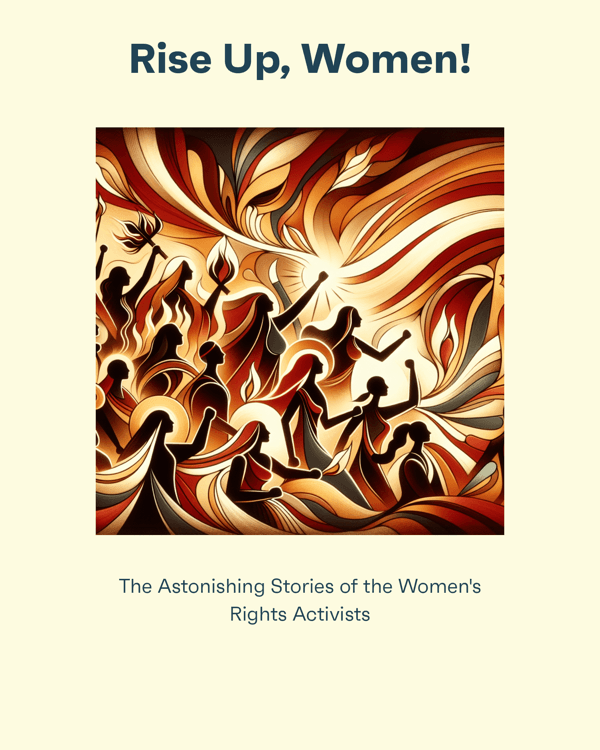
Rise Up, Women!Rise Up, Women!

Rise Up, Women!

user-icon

Diane Atkinson

In 1903, Emmeline Pankhurst and her daughters founded the Women’s Social and Political Union (WSPU), transforming the suffrage movement with their militant philosophy of “deeds, not words.” Christabel Pankhurst emerged as a prominent figure, symbolizing the cause, while Sylvia Pankhurst contributed through her artistic talents. Despite fostering loyalty, the Pankhursts’ authoritarian leadership caused internal divisions, leading to splinter groups and expulsions. The WSPU’s strategy of imprisonment highlighted the harsh treatment suffragettes endured, including force-feeding during hunger strikes, which drew public condemnation. Frustrated by political inaction, the suffragettes escalated their tactics, from property destruction to arson and bombings, sparking both backlash and increased attention. Figures like Emily Davison, known for her radical actions and ultimate sacrifice, became enduring symbols of the movement. The Representation of the People Act of 1918 marked a significant victory, enfranchising millions of women, though with restrictions. Subsequent reforms in the 1920s expanded women’s rights, culminating in full voting equality in 1928—a triumph rooted in the Pankhursts’ relentless activism.

clock12 min
bite8 Bite
target Insight

What's it about?

In 1903, Emmeline Pankhurst and her daughters founded the Women’s Social and Political Union (WSPU), igniting a militant fight for women’s suffrage in the UK. Guided by their motto “Deeds, not words,” they inspired a movement that challenged societal norms through bold actions, from hunger strikes to public protests. The Pankhursts’ leadership, though transformative, sparked both loyalty and discord within the movement, as their uncompromising approach pushed boundaries. This is the story of a relentless struggle for equality, marked by sacrifice, resilience, and the unwavering pursuit of justice.

Book summary

Diane Atkinson is a writer who regularly lectures on the suffragettes. A consultant on the 2015 film Suffragette, she has also worked with many documentary makers. Her previous books include Suffragettes in Pictures, Funny Girls and Elsie and Mairi Go to War.

In 1903, Emmeline Pankhurst and her daughters founded the Women’s Social and Political Union (WSPU), transforming the suffrage movement with their militant philosophy of “deeds, not words.” Christabel Pankhurst emerged as a prominent figure, symbolizing the cause, while Sylvia Pankhurst contributed through her artistic talents. Despite fostering loyalty, the Pankhursts’ authoritarian leadership caused internal divisions, leading to splinter groups and expulsions. The WSPU’s strategy of imprisonment highlighted the harsh treatment suffragettes endured, including force-feeding during hunger strikes, which drew public condemnation. Frustrated by political inaction, the suffragettes escalated their tactics, from property destruction to arson and bombings, sparking both backlash and increased attention. Figures like Emily Davison, known for her radical actions and ultimate sacrifice, became enduring symbols of the movement. The Representation of the People Act of 1918 marked a significant victory, enfranchising millions of women, though with restrictions. Subsequent reforms in the 1920s expanded women’s rights, culminating in full voting equality in 1928—a triumph rooted in the Pankhursts’ relentless activism.

To read rest of the book, you can download Bitely

appstoregoogleplayapp gallery
All Bites
bite8 Bites

Breaking Barriers: The Fight for Women’s Suffrage

1
logo

Deeds Not Words: The Pankhursts' Fight for Suffrage

2
logo

Defiance Behind Bars: The Suffragettes' Fight

3
logo

Suffragettes Unleashed: The Fight Through Fire and Fury

4
logo

Defiance and Struggle: Women’s Fight for Suffrage

5
logo

Emily Davison: Defiance and Sacrifice for Suffrage

6
logo

War, Suffrage, and the Fight for Equality

7
logo

Votes for Women: The Fight for Equality

8
logo

Related Books

mailbox-icon

Want to keep learning?

Big ideas, bite-sized lessons—feed your curiosity every day with Bitely!