Nature & Science
RememberRemember

Remember

user-icon

Lisa Genova

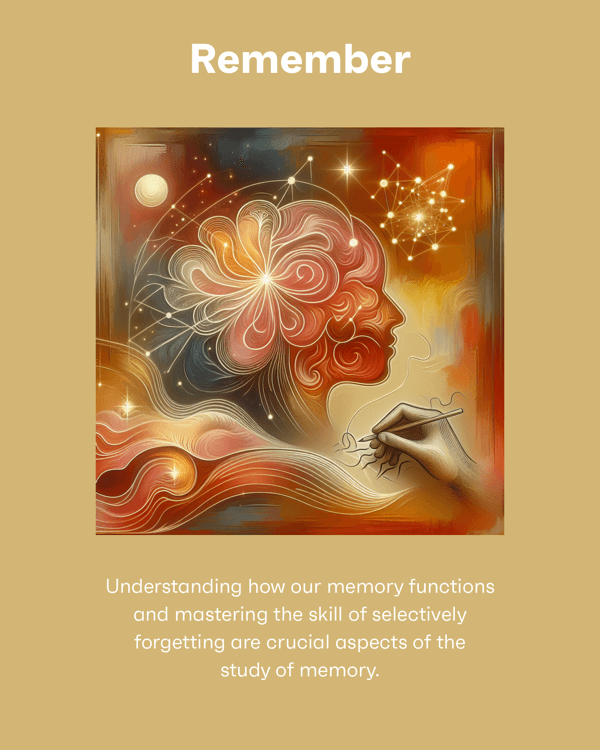
Muscle memory, distinct from semantic and episodic memory, is formed in the motor cortex through repetition, as illustrated by Henry Molaison, who, despite losing his hippocampus and the ability to form long-term memories, learned motor skills like mirror drawing. Similarly, the resilience of 678 Catholic nuns against Alzheimer’s symptoms, despite brain changes, highlights the importance of intellectual, social, and physical engagement in building neural pathways to combat memory decline. Sleep and stress management also play critical roles in memory health, as chronic deprivation or prolonged stress can impair hippocampal function. Memory’s dual nature—impressive yet fallible—is evident in phenomena like the "tip-of-the-tongue" effect, episodic memory distortions, and prospective memory failures, such as Yo-Yo Ma forgetting his cello. Forgetting, though often frustrating, is essential for mental well-being, as seen in Solomon Shereshevsky’s struggle with an overwhelming memory. Techniques like mnemonics, visualization, repetition, and external aids can enhance memory by leveraging the brain’s preference for stories and sensory associations, while tools like checklists and reminders help mitigate lapses in critical situations.

clock14 min
bite9 Bite
target Insight

What's it about?

This book delves into the fascinating intricacies of human memory, exploring its strengths, vulnerabilities, and the diverse ways it shapes our lives. Through compelling stories and scientific insights, it examines different types of memory—semantic, episodic, and muscle memory—while uncovering how habits, lifestyle, and even stress impact our ability to retain and recall information. From extraordinary feats of memorization to the everyday lapses we all experience, the narrative reveals the delicate balance between remembering and forgetting, offering practical strategies to harness the full potential of our minds. Engaging and thought-provoking, it invites readers to better understand and optimize their memory.

Book summary

Lisa Genova is a Harvard-trained neuroscientist and the author of several best-selling novels that deal with the maladies of the human brain, including Still Alice, which was adapted into an Academy Award-winning film starring Julianne Moore.

Muscle memory, distinct from semantic and episodic memory, is formed in the motor cortex through repetition, as illustrated by Henry Molaison, who, despite losing his hippocampus and the ability to form long-term memories, learned motor skills like mirror drawing. Similarly, the resilience of 678 Catholic nuns against Alzheimer’s symptoms, despite brain changes, highlights the importance of intellectual, social, and physical engagement in building neural pathways to combat memory decline. Sleep and stress management also play critical roles in memory health, as chronic deprivation or prolonged stress can impair hippocampal function. Memory’s dual nature—impressive yet fallible—is evident in phenomena like the "tip-of-the-tongue" effect, episodic memory distortions, and prospective memory failures, such as Yo-Yo Ma forgetting his cello. Forgetting, though often frustrating, is essential for mental well-being, as seen in Solomon Shereshevsky’s struggle with an overwhelming memory. Techniques like mnemonics, visualization, repetition, and external aids can enhance memory by leveraging the brain’s preference for stories and sensory associations, while tools like checklists and reminders help mitigate lapses in critical situations.

To read rest of the book, you can download Bitely

appstoregoogleplayapp gallery
All Bites
bite9 Bites

Mastering Memory: How Your Brain Remembers

1
logo

When Memories Lie: The Fragility of Recall

2
logo

Mastering Memory: The Brain's Hidden Pathways

3
logo

Mastering Memory: The Power of Forgetting

4
logo

Mastering Memory: Why We Forget and How to Remember

5
logo

Mastering Memory: The Art of Remembering

6
logo

Strengthening Memory: Aging Gracefully, Fighting Decline

7
logo

Building Resilient Minds Through Lifelong Habits

8
logo

Mastering Memory: Unlock Your Brain’s Potential

9
logo

Related Books

mailbox-icon

Want to keep learning?

Big ideas, bite-sized lessons—feed your curiosity every day with Bitely!