Nature & Science
Our Wild CallingOur Wild Calling

Our Wild Calling

user-icon

Richard Louv

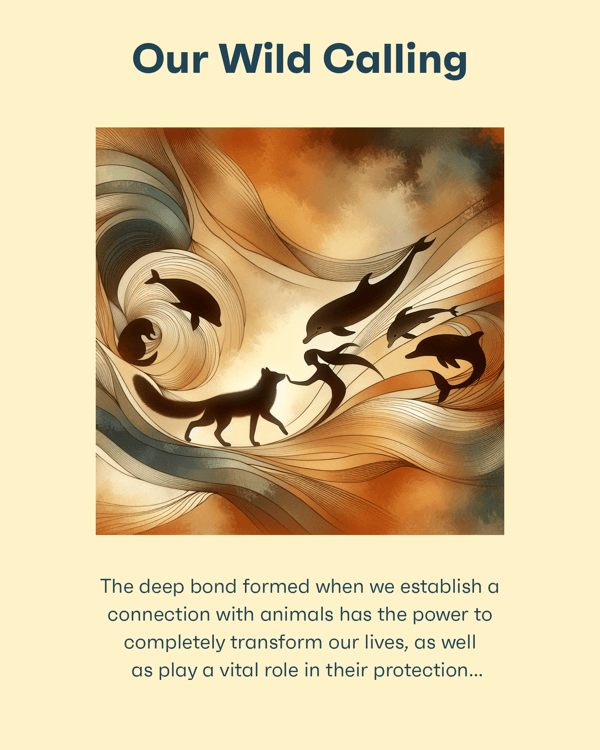
Encounters with wild animals can profoundly shape our lives, as seen in the author’s transformative meeting with a black fox on Kodiak Island, which taught him to cherish and protect wildlife. This theme of connection extends to his observations of ground squirrels, where he discovered beauty in their daily struggles, reinforcing the idea that empathy for other species can reshape our relationship with nature. Norwegian ecophilosopher Arne Naess emphasizes acting beautifully, driven by care rather than obligation, while modern scientists challenge outdated views like Descartes’ *Bête machine*, striving to understand animals without anthropomorphism. Stories like James Garcia’s community efforts and Glenn Albrecht’s solophilia highlight how local action fosters both environmental and personal healing. Perspectives on nature vary, from the Maasai’s unity with the natural world to Western society’s fragmented relationship, which ecopsychologists link to distorted interactions like factory farming. Concepts like co-becoming and indigenous philosophies remind us of our interconnectedness with all life. Yet, as loneliness rises in the Anthropocene, ecologist Michael Vincent McGinnis’ "species loneliness" underscores our estrangement from non-human life. Thomas Berry’s vision of the ecozoic epoch offers hope for harmony, while examples of animal communication, like a wolf guiding a professor or dolphins forming "sentences," reveal the depth of interspecies connection, urging us to rethink our bond with the natural world.

clock10 min
bite6 Bite
target Insight

What's it about?

Encountering the natural world can transform how we see ourselves and our place within it. This book explores the profound connections between humans and animals, weaving together personal stories, ecological philosophy, and scientific insights. From life-changing wildlife encounters to the concept of "species loneliness," it delves into the beauty, empathy, and shared communication that bind all living beings. Through these reflections, it invites readers to reimagine their relationship with nature and embrace a future of coexistence and care.

Book summary

Richard Louv is an author and journalist, whose interests center around connecting families and communities to nature. He is also the cofounder of the nonprofit organization Children & Nature Network. Louv’s work has appeared in The New York Times, as well as other publications, and in 2008 he was awarded the Audubon Medal.

Encounters with wild animals can profoundly shape our lives, as seen in the author’s transformative meeting with a black fox on Kodiak Island, which taught him to cherish and protect wildlife. This theme of connection extends to his observations of ground squirrels, where he discovered beauty in their daily struggles, reinforcing the idea that empathy for other species can reshape our relationship with nature. Norwegian ecophilosopher Arne Naess emphasizes acting beautifully, driven by care rather than obligation, while modern scientists challenge outdated views like Descartes’ *Bête machine*, striving to understand animals without anthropomorphism. Stories like James Garcia’s community efforts and Glenn Albrecht’s solophilia highlight how local action fosters both environmental and personal healing. Perspectives on nature vary, from the Maasai’s unity with the natural world to Western society’s fragmented relationship, which ecopsychologists link to distorted interactions like factory farming. Concepts like co-becoming and indigenous philosophies remind us of our interconnectedness with all life. Yet, as loneliness rises in the Anthropocene, ecologist Michael Vincent McGinnis’ "species loneliness" underscores our estrangement from non-human life. Thomas Berry’s vision of the ecozoic epoch offers hope for harmony, while examples of animal communication, like a wolf guiding a professor or dolphins forming "sentences," reveal the depth of interspecies connection, urging us to rethink our bond with the natural world.

To read rest of the book, you can download Bitely

appstoregoogleplayapp gallery
All Bites
bite6 Bites

Wild Encounters That Transform Our Worldview

1
logo

Reconnecting Humanity: Bridging the Species Divide

2
logo

Rethinking Animal Minds: Beyond Human Projections

3
logo

When Animals Speak: Unveiling Their Hidden Languages

4
logo

Rediscovering Kinship: Bridging Humanity and Wildlife

5
logo

From Grief to Growth: Healing Through Nature

6
logo

Related Books

mailbox-icon

Want to keep learning?

Big ideas, bite-sized lessons—feed your curiosity every day with Bitely!