Philosophy
On Being and BecomingOn Being and Becoming

On Being and Becoming

user-icon

Jennifer Anna Gosetti-Ferencei

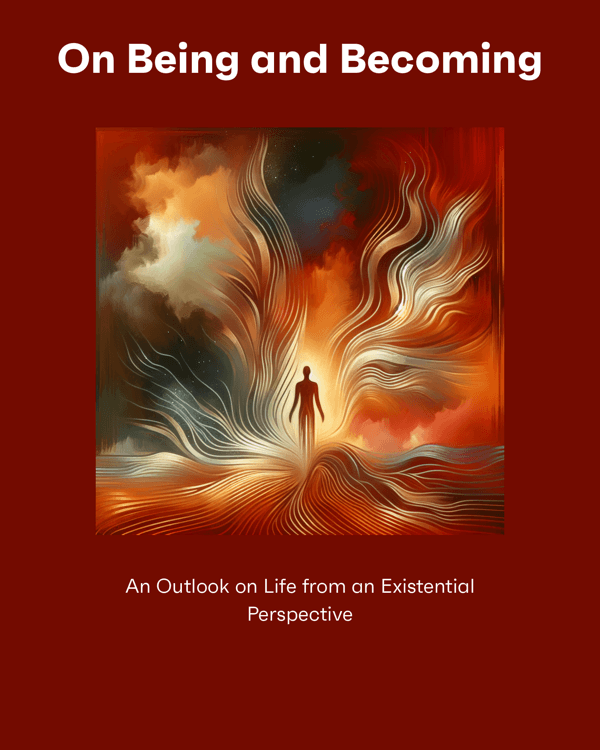
Existentialism explores the profound tension between human freedom and the responsibility it entails, emphasizing that genuine individuality requires confronting life’s uncertainties and embracing emotions like anxiety and despair as essential to the human experience. Unlike Stoicism, which seeks to master emotions and avoid suffering, existentialism views suffering as integral to living authentically. By rejecting fixed identities and embracing transformation as the essence of human nature, existentialists argue that freedom lies in the choices we make and the paths we forge, even amidst external limitations. This philosophy challenges traditional notions of existence, urging individuals to resist conformity, reflect on their lives, and cultivate authenticity by taking full responsibility for their actions. It also highlights the interconnectedness of self and world, showing how emotions shape our perceptions and experiences. As we delve further, we’ll explore how this emotional interplay influences our relationship with the natural world.

clock12 min
bite6 Bite
target Insight

What's it about?

Human freedom is both a gift and a burden, as it demands responsibility and often brings existential challenges. This book explores the profound themes of choice, individuality, and the tension between authenticity and societal conformity, drawing from existentialist philosophy and literature. Through vivid examples and thought-provoking insights, it examines how embracing emotions like anxiety and dread can lead to a more meaningful and liberated existence. At its heart, it invites readers to confront life’s uncertainties and discover their own path to authenticity.

Book summary

Jennifer Anna Gosetti-Ferencei is a philosophy professor at Johns Hopkins University. Her other works include The Life of Imagination, Exotic Spaces in German Modernism, and The Ecstatic Quotidian. She’s also the author of a book of poetry, After the Palace Burns, which won the Paris Review Prize.

Existentialism explores the profound tension between human freedom and the responsibility it entails, emphasizing that genuine individuality requires confronting life’s uncertainties and embracing emotions like anxiety and despair as essential to the human experience. Unlike Stoicism, which seeks to master emotions and avoid suffering, existentialism views suffering as integral to living authentically. By rejecting fixed identities and embracing transformation as the essence of human nature, existentialists argue that freedom lies in the choices we make and the paths we forge, even amidst external limitations. This philosophy challenges traditional notions of existence, urging individuals to resist conformity, reflect on their lives, and cultivate authenticity by taking full responsibility for their actions. It also highlights the interconnectedness of self and world, showing how emotions shape our perceptions and experiences. As we delve further, we’ll explore how this emotional interplay influences our relationship with the natural world.

To read rest of the book, you can download Bitely

appstoregoogleplayapp gallery
All Bites
bite6 Bites

Redefining Freedom: The Essence of Existentialism

1
logo

Redefining Humanity: The Power of Transformation

2
logo

Embracing Freedom: The Paradox of Human Suffering

3
logo

Cultivating Authenticity in a Conformist World

4
logo

Freedom Through the Eyes of Others

5
logo

Blurring Boundaries: The Self and the World

6
logo

Related Books

mailbox-icon

Want to keep learning?

Big ideas, bite-sized lessons—feed your curiosity every day with Bitely!