
Biography & History
Madness in CivilizationMadness in Civilization

Madness in Civilization

user-icon

Andrew Scull

The history of mental health care reveals a long and complex journey marked by neglect, superstition, and gradual progress. Early institutions like Bedlam and unregulated madhouses subjected patients to inhumane treatment, often serving as tools for societal exclusion rather than rehabilitation. Enlightenment thinkers challenged supernatural explanations for madness, but superstitions persisted, leading to tragic events like witch hunts. Advances in philosophy and medicine during the 18th and 19th centuries introduced more compassionate approaches, such as moral treatment, and began uncovering the physiological causes of mental illness. Despite these strides, asylums became increasingly cruel, and their eventual closure in the late 20th century left many without adequate care, leading to homelessness or incarceration. The evolution of mental health care, from Freud’s psychoanalysis to modern therapies, reflects both significant progress and enduring challenges, with much work still needed to address systemic gaps and provide comprehensive support for those affected.

clock14 min
bite9 Bite
target Insight

What's it about?

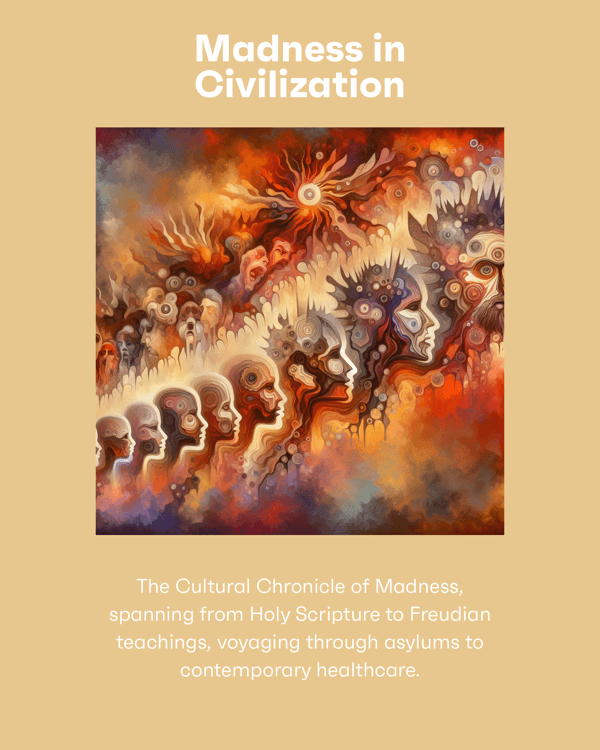
The book delves into the complex and evolving history of mental health care, tracing societal perceptions of "madness" and the treatment of those deemed mentally ill across centuries. It explores the intersection of superstition, philosophy, and medical advancements, highlighting the often inhumane practices of the past and the gradual shift toward more compassionate approaches. From the infamous Bedlam asylum to Freud’s psychoanalysis and the closure of asylums, the narrative examines the triumphs and failures that have shaped modern mental health care. This thought-provoking account underscores the ongoing challenges in providing adequate support for individuals with mental illnesses.

Book summary

Andrew Scull is a British sociologist who focuses on medicine and psychiatry. He is currently Professor of Sociology and Science Studies at University of California, San Diego. He also wrote Madhouse: A Tragic Tale of Megalomania and Modern Medicine.

The history of mental health care reveals a long and complex journey marked by neglect, superstition, and gradual progress. Early institutions like Bedlam and unregulated madhouses subjected patients to inhumane treatment, often serving as tools for societal exclusion rather than rehabilitation. Enlightenment thinkers challenged supernatural explanations for madness, but superstitions persisted, leading to tragic events like witch hunts. Advances in philosophy and medicine during the 18th and 19th centuries introduced more compassionate approaches, such as moral treatment, and began uncovering the physiological causes of mental illness. Despite these strides, asylums became increasingly cruel, and their eventual closure in the late 20th century left many without adequate care, leading to homelessness or incarceration. The evolution of mental health care, from Freud’s psychoanalysis to modern therapies, reflects both significant progress and enduring challenges, with much work still needed to address systemic gaps and provide comprehensive support for those affected.

To read rest of the book, you can download Bitely
appstoregoogleplayapp gallery
All Bites
bite9 Bites

Madness Through the Ages: Beliefs and Treatments

1
logo

How Arabic Conquests Shaped Medical Knowledge

2
logo

Madness, Reason, and the Shadows of Belief

3
logo

Centuries of Neglect: The Stigma of Madness

4
logo

Madness and Misery: The Dark History of Mental Health Care

5
logo

Compassion and Cruelty: The Evolution of Mental Health Care

6
logo

Unraveling Madness: The Evolution of Mental Health

7
logo

Unveiling Trauma: Freud's Legacy in Mental Health

8
logo

Echoes of Madness: The Struggle for Mental Health

9
logo

Related Books

mailbox-icon

Want to keep learning?

Big ideas, bite-sized lessons—feed your curiosity every day with Bitely!