Nature & Science
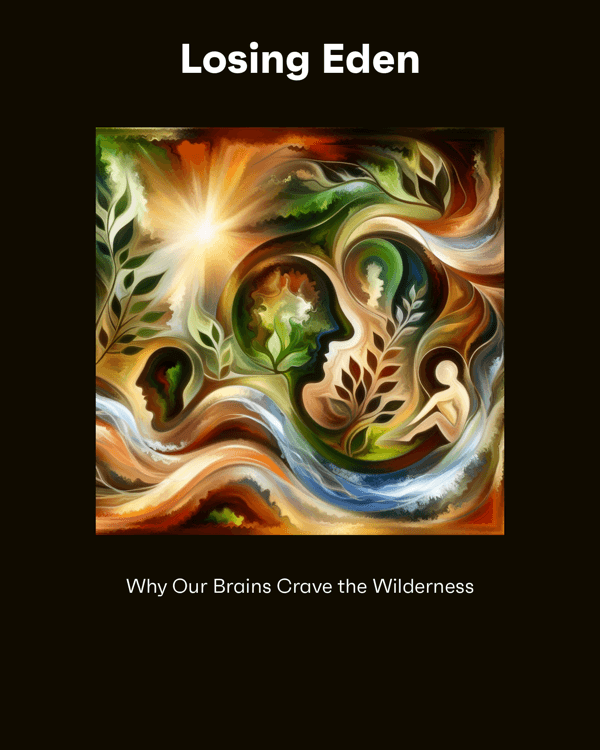
Losing EdenLosing Eden

Losing Eden

user-icon

Lucy Jones

The profound connection between nature and mental health is deeply rooted in our evolutionary history, as Carl Jung’s metaphor of the layered psyche illustrates. Our modern minds rest on ancient foundations, reflecting humanity’s intrinsic bond with the natural world. Biologist E.O. Wilson’s biophilia theory supports this, suggesting humans are genetically predisposed to favor natural environments, a preference shaped by ancestral survival needs. Research confirms that nature enhances mental well-being, with its absence proving harmful. Efforts to preserve this connection are critical, as seen in the Svalbard Global Seed Vault’s role in safeguarding biodiversity amidst climate change. Urban areas, like Detroit, demonstrate how integrating green spaces can transform communities, but the urgency to act grows as environmental degradation accelerates. Nature’s sensory richness rejuvenates the mind, body, and immune system, as evidenced by practices like forest bathing and therapeutic gardening, which offer hope even for those with severe mental health challenges. This enduring relationship with nature underscores its vital role in fostering resilience and restoration.

clock17 min
bite9 Bite
target Insight

What's it about?

The book explores the profound and often overlooked connection between nature and mental health, weaving together scientific research, historical insights, and personal experiences. It delves into how access to natural environments can rejuvenate the mind, body, and community, while also addressing the societal and environmental challenges that hinder this connection. Through vivid examples and compelling narratives, the book highlights the urgency of reestablishing humanity's bond with the natural world to foster resilience, equity, and well-being for future generations.

Book summary

Lucy Jones is a writer, journalist, and author of Foxes Unearthed (2015). She previously worked at NME and the Daily Telegraph and has written about culture, science, and nature for BBC Earth, BBC Wildlife, The Sunday Times, the Guardian, and the New Statesman.

The profound connection between nature and mental health is deeply rooted in our evolutionary history, as Carl Jung’s metaphor of the layered psyche illustrates. Our modern minds rest on ancient foundations, reflecting humanity’s intrinsic bond with the natural world. Biologist E.O. Wilson’s biophilia theory supports this, suggesting humans are genetically predisposed to favor natural environments, a preference shaped by ancestral survival needs. Research confirms that nature enhances mental well-being, with its absence proving harmful. Efforts to preserve this connection are critical, as seen in the Svalbard Global Seed Vault’s role in safeguarding biodiversity amidst climate change. Urban areas, like Detroit, demonstrate how integrating green spaces can transform communities, but the urgency to act grows as environmental degradation accelerates. Nature’s sensory richness rejuvenates the mind, body, and immune system, as evidenced by practices like forest bathing and therapeutic gardening, which offer hope even for those with severe mental health challenges. This enduring relationship with nature underscores its vital role in fostering resilience and restoration.

To read rest of the book, you can download Bitely

appstoregoogleplayapp gallery
All Bites
bite9 Bites

Reconnecting with Nature to Heal Minds

1
logo

Rediscovering Our Genetic Bond with Nature

2
logo

Reclaiming Childhood: Reviving Nature's Role in Growth

3
logo

Healing Through Nature: The Science of Renewal

4
logo

Reclaiming Well-Being Through Nature’s Design

5
logo

Bridging Inequality Through Inclusive Green Spaces

6
logo

Reviving Our Bond with Ancient Forests

7
logo

Rediscovering Our Primal Bond with Nature

8
logo

Reviving Cities: Reconnecting Humanity with Nature

9
logo

Related Books

mailbox-icon

Want to keep learning?

Big ideas, bite-sized lessons—feed your curiosity every day with Bitely!