Leadership & Entrepreneurship
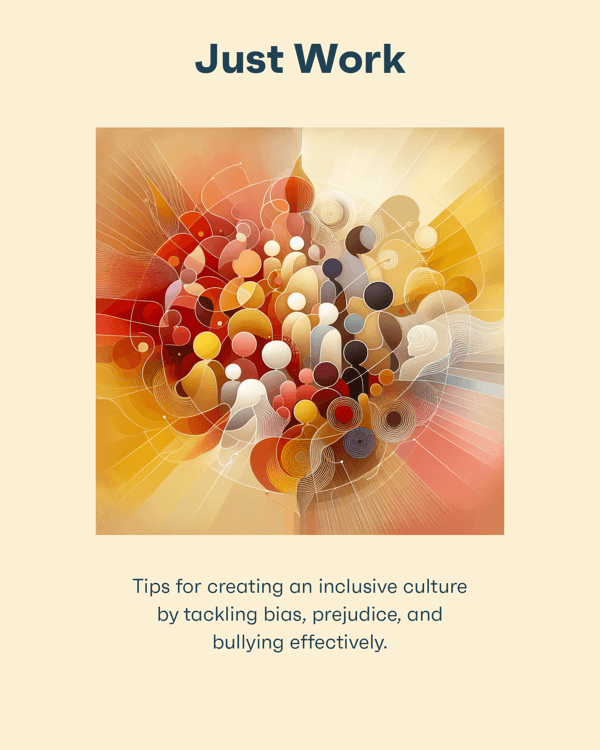
Just WorkJust Work

Just Work

user-icon

Kim Scott

When power intersects with prejudice and bullying, it often leads to discrimination, harassment, and physical violations, especially when authority is concentrated in one individual. Leaders must proactively address these issues by confronting biases, implementing oversight mechanisms, and fostering a culture of consent. Effective responses to workplace misconduct require decisive action, such as empowering teams to challenge bias, establishing clear codes of conduct, and enforcing consequences for bullying. Recognizing the distinctions between bias, prejudice, and bullying can guide appropriate responses, while collaborative decision-making and upstander interventions can mitigate power imbalances and unconscious bias. Addressing systemic issues like underrepresentation demands the same analytical rigor applied to technical challenges, as demonstrated by leaders who tackle barriers to diversity with data-driven solutions. Finally, creating a culture of consent and ensuring safe reporting mechanisms are essential for building equitable and respectful workplaces.

clock12 min
bite10 Bite
target Insight

What's it about?

When power intersects with prejudice and bullying, the workplace becomes a breeding ground for discrimination, harassment, and physical violations. This book explores how unchecked authority and unconscious bias perpetuate systemic injustice, while offering actionable strategies to foster equity, respect, and consent in professional environments. Through real-world examples and practical solutions, it empowers leaders and teams to challenge harmful behaviors, embrace accountability, and build inclusive cultures. By addressing bias with courage and compassion, it inspires a collective effort to create fairer workplaces and a more just society.

Book summary

Kim Scott is the author of the New York Times and Wall Street Journal best seller Radical Candor and cofounder of the company of the same name. She was a senior executive at Google for many years and has worked as a CEO coach at Dropbox and Twitter. She was also part of the faculty at Apple University.

When power intersects with prejudice and bullying, it often leads to discrimination, harassment, and physical violations, especially when authority is concentrated in one individual. Leaders must proactively address these issues by confronting biases, implementing oversight mechanisms, and fostering a culture of consent. Effective responses to workplace misconduct require decisive action, such as empowering teams to challenge bias, establishing clear codes of conduct, and enforcing consequences for bullying. Recognizing the distinctions between bias, prejudice, and bullying can guide appropriate responses, while collaborative decision-making and upstander interventions can mitigate power imbalances and unconscious bias. Addressing systemic issues like underrepresentation demands the same analytical rigor applied to technical challenges, as demonstrated by leaders who tackle barriers to diversity with data-driven solutions. Finally, creating a culture of consent and ensuring safe reporting mechanisms are essential for building equitable and respectful workplaces.

To read rest of the book, you can download Bitely

appstoregoogleplayapp gallery
All Bites
bite10 Bites

Breaking Silence to Confront Workplace Bias

1
logo

Confronting Workplace Bias with Clear Action

2
logo

Turning Bias Into Organizational Growth

3
logo

Empowering Voices Through Upstander Action

4
logo

Confronting Workplace Misconduct with Leadership Courage

5
logo

Confronting Power, Bias, and Workplace Harm

6
logo

Solving Workplace Bias with Data-Driven Precision

7
logo

Curbing Power Abuse Through Collaborative Leadership

8
logo

Fostering Consent and Accountability in Workplaces

9
logo

Leading with Love to Build Equity

10
logo

Related Books

mailbox-icon

Want to keep learning?

Big ideas, bite-sized lessons—feed your curiosity every day with Bitely!