
Health, Sports, Lifestyle
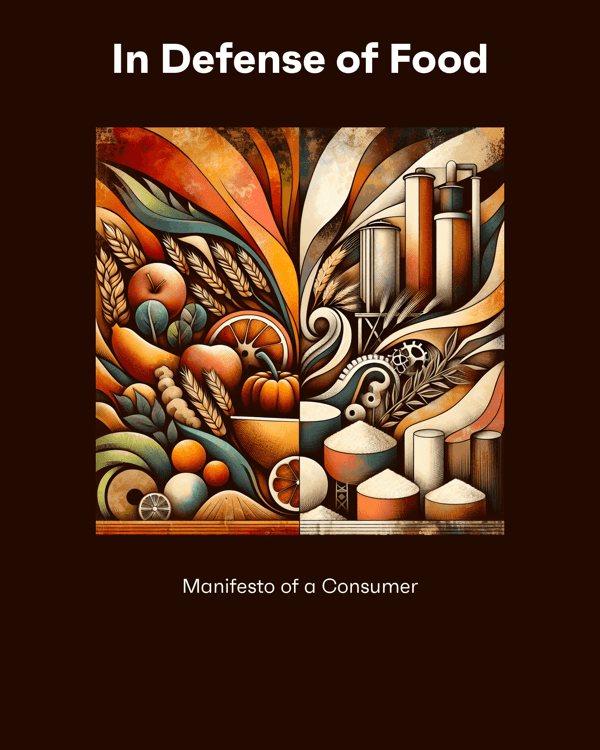
In Defense of FoodIn Defense of Food

In Defense of Food

user-icon

Michael Pollan

The shift from focusing on whole foods to emphasizing nutrients in dietary discussions began in the mid-20th century, influenced by the lipid hypothesis and government-backed guidelines shaped by industry interests. This nutrient-centric approach, or "nutritionism," has reduced food to its chemical components, promoting processed alternatives over traditional diets. Despite promises of improved health, nutritionism has failed to address the root issues of the Western diet, which relies heavily on refined, industrialized foods at the expense of cultural and ecological connections. Studies, such as those by Weston A. Price and Kerin O’Dea, reveal the profound health benefits of traditional diets, emphasizing the importance of whole, unprocessed foods. To reclaim health, it’s crucial to move beyond the Western diet’s flawed framework and embrace simple, practical principles rooted in traditional food culture, setting the stage for deeper exploration of these ideas in the next chapter.

clock19 min
bite11 Bite
target Insight

What's it about?

This book explores how modern eating habits have been shaped by the rise of nutritionism, a perspective that prioritizes nutrients over whole foods. Tracing the shift from traditional diets to the industrialized Western diet, it examines the profound health consequences of processed foods and the misguided focus on "problem nutrients." Through vivid examples and historical insights, it challenges readers to rethink their relationship with food, advocating for a return to simpler, more natural eating practices rooted in cultural traditions.

Book summary

Michael Pollan is a food journalist, bestselling author and a professor of journalism at the University of California at Berkeley. His other books include The Omnivore’s Dilemma and In Defense of Food.

The shift from focusing on whole foods to emphasizing nutrients in dietary discussions began in the mid-20th century, influenced by the lipid hypothesis and government-backed guidelines shaped by industry interests. This nutrient-centric approach, or "nutritionism," has reduced food to its chemical components, promoting processed alternatives over traditional diets. Despite promises of improved health, nutritionism has failed to address the root issues of the Western diet, which relies heavily on refined, industrialized foods at the expense of cultural and ecological connections. Studies, such as those by Weston A. Price and Kerin O’Dea, reveal the profound health benefits of traditional diets, emphasizing the importance of whole, unprocessed foods. To reclaim health, it’s crucial to move beyond the Western diet’s flawed framework and embrace simple, practical principles rooted in traditional food culture, setting the stage for deeper exploration of these ideas in the next chapter.

To read rest of the book, you can download Bitely
appstoregoogleplayapp gallery
All Bites
bite11 Bites

How Nutrients Replaced Food in Diet Advice

1
logo

How Nutritionism Redefined Our Food Choices

2
logo

How Nutritionism Hijacked Healthy Eating

3
logo

Breaking Free from Nutritionism’s Grip

4
logo

Breaking Free from the Western Diet

5
logo

Reconnecting Health with Food and Ecology

6
logo

Reclaiming Nutrition: The Shift from Whole to Processed Foods

7
logo

Reclaiming Tradition: Breaking Free from the Western Diet

8
logo

Rediscover Real Food in a Processed World

9
logo

Eat Smarter: Prioritize Plants, Rethink Meat

10
logo

Savoring Real Food: Rediscovering Joy in Eating

11
logo

Related Books

mailbox-icon

Want to keep learning?

Big ideas, bite-sized lessons—feed your curiosity every day with Bitely!