Self-Growth
ImpromptuImpromptu

Impromptu

user-icon

Reid Hoffman with GPT-4

Concerns about GPT-4 as a flawed research tool echo past skepticism toward innovations like Wikipedia and the internet, highlighting its tendency for errors, or "hallucinations," such as confidently presenting false information. While these flaws demand acknowledgment and regulation, GPT-4’s potential to reshape fields like journalism and creativity remains significant. By 2025, the world will generate an unprecedented 175 trillion gigabytes of data, and AI tools like GPT-4 can help sift through this information, crafting articles, headlines, and summaries while preserving the essence of truth. However, human oversight remains crucial to counter misinformation and ensure accuracy. In creative fields, GPT-4 can assist artists, musicians, and developers by generating ideas and drafts, though concerns about artistic identity, market saturation, and ethical dilemmas persist. Policies promoting transparency and media literacy, alongside recognition of human creators’ unique contributions, can help balance these challenges. Like the invention of photography, AI’s integration into creative and informational domains requires cautious optimism, offering transformative opportunities while demanding thoughtful adaptation.

clock8 min
bite5 Bite
target Insight

What's it about?

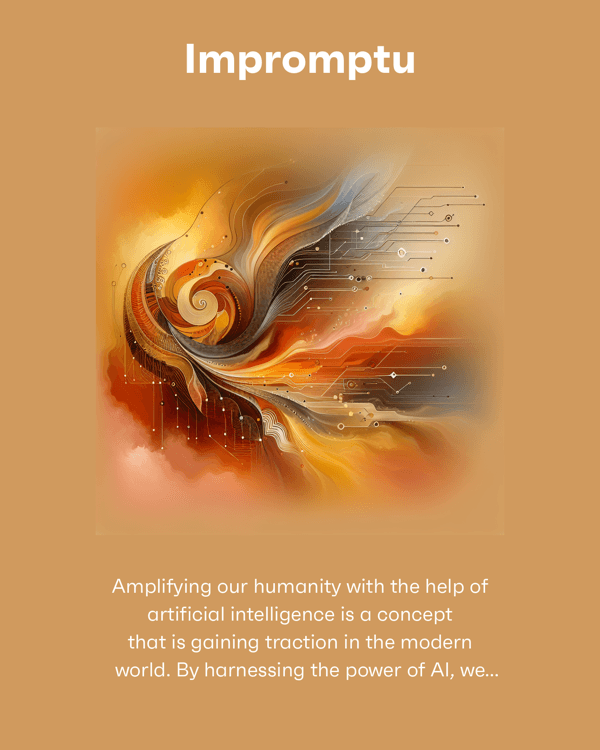
Exploring the transformative potential of AI, this book delves into its profound impact on education, journalism, justice, and creativity. It examines both the opportunities and challenges posed by tools like GPT-4, from enhancing personalized learning and streamlining legal processes to reshaping artistic expression. While highlighting AI's capacity to revolutionize industries, it also addresses critical concerns such as bias, misinformation, and ethical dilemmas. Through a balanced lens, the narrative invites readers to consider how humanity can harness AI responsibly to shape a more equitable and innovative future.

Book summary

Reid Hoffman is an entrepreneur and investor who has been at the forefront of many leading technology businesses, including LinkedIn and PayPal. In 2022 he co-founded Inflection AI, a company dedicated to creating software that helps humans communicate with computers. He has published several other best-selling books, including The Startup of You and Masters of Scale.

Concerns about GPT-4 as a flawed research tool echo past skepticism toward innovations like Wikipedia and the internet, highlighting its tendency for errors, or "hallucinations," such as confidently presenting false information. While these flaws demand acknowledgment and regulation, GPT-4’s potential to reshape fields like journalism and creativity remains significant. By 2025, the world will generate an unprecedented 175 trillion gigabytes of data, and AI tools like GPT-4 can help sift through this information, crafting articles, headlines, and summaries while preserving the essence of truth. However, human oversight remains crucial to counter misinformation and ensure accuracy. In creative fields, GPT-4 can assist artists, musicians, and developers by generating ideas and drafts, though concerns about artistic identity, market saturation, and ethical dilemmas persist. Policies promoting transparency and media literacy, alongside recognition of human creators’ unique contributions, can help balance these challenges. Like the invention of photography, AI’s integration into creative and informational domains requires cautious optimism, offering transformative opportunities while demanding thoughtful adaptation.

To read rest of the book, you can download Bitely

appstoregoogleplayapp gallery
All Bites
bite5 Bites

AI's Transformative Role in Education

1
logo

AI's Role in Redefining Human Creativity

2
logo

AI's Role in Reshaping Justice Systems

3
logo

AI's Role in Shaping Journalism's Future

4
logo

Navigating GPT-4: Challenges and Opportunities

5
logo

Related Books

mailbox-icon

Want to keep learning?

Big ideas, bite-sized lessons—feed your curiosity every day with Bitely!