Nature & Science
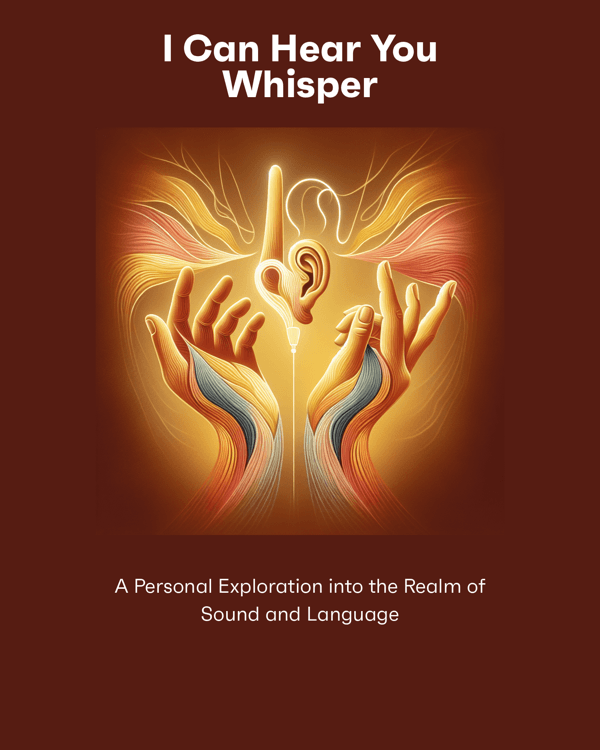
I Can Hear You WhisperI Can Hear You Whisper

I Can Hear You Whisper

user-icon

Lydia Denworth

Humans' unique ability to develop language remains a scientific mystery, though experts agree that infants are born with an innate capacity to acquire it, making early exposure critical for cognitive development. For deaf children, language acquisition follows a different path, with debates over prioritizing sign language or oral communication often reflecting parental cultural beliefs. Historically, misconceptions about deafness equated it with a lack of intelligence, but progress in understanding and education has fostered the growth of deaf culture, which celebrates deafness as a distinct identity. The invention of cochlear implants marked a significant advancement, offering auditory assistance by converting sound into electrical signals, though early models had limitations. While cochlear implants have influenced deaf education, they have not replaced the importance of sign language, which remains vital in noisy environments and as a cornerstone of deaf culture. Despite technological progress, deaf education continues to evolve, balancing the benefits of implants with the enduring significance of sign language and cultural identity.

clock11 min
bite7 Bite
target Insight

What's it about?

Humans’ unique ability to develop language and the complexities of sound perception form the foundation of this exploration into hearing, deafness, and communication. The narrative delves into the science of hearing, the cultural and historical evolution of deaf education, and the ongoing debates surrounding cochlear implants. It highlights the resilience and innovation of the deaf community, emphasizing the significance of early intervention, tailored education, and the enduring role of sign language in preserving identity and culture. This is a story of discovery, adaptation, and the intricate interplay between technology, biology, and human connection.

Book summary

Lydia Denworth is writer whose work has been in the New York Times, Newsweek and the Wall Street Journal. She served as an adjunct professor of journalism at Fordham University and Long Island University. I Can Hear You Whisper is her second best-selling book.

Humans' unique ability to develop language remains a scientific mystery, though experts agree that infants are born with an innate capacity to acquire it, making early exposure critical for cognitive development. For deaf children, language acquisition follows a different path, with debates over prioritizing sign language or oral communication often reflecting parental cultural beliefs. Historically, misconceptions about deafness equated it with a lack of intelligence, but progress in understanding and education has fostered the growth of deaf culture, which celebrates deafness as a distinct identity. The invention of cochlear implants marked a significant advancement, offering auditory assistance by converting sound into electrical signals, though early models had limitations. While cochlear implants have influenced deaf education, they have not replaced the importance of sign language, which remains vital in noisy environments and as a cornerstone of deaf culture. Despite technological progress, deaf education continues to evolve, balancing the benefits of implants with the enduring significance of sign language and cultural identity.

To read rest of the book, you can download Bitely

appstoregoogleplayapp gallery
All Bites
bite7 Bites

The Intricate Journey of Sound and Identity

1
logo

Unlocking Language: The Human and Deaf Experience

2
logo

Redefining Deafness: The Evolution of Language and Identity

3
logo

Pioneering the Science of Hearing Restoration

4
logo

Unlocking Language: How Deafness Shapes Development

5
logo

Cochlear Implants: Balancing Opportunity and Identity

6
logo

Cochlear Implants and the Evolution of Deaf Education

7
logo

Related Books

mailbox-icon

Want to keep learning?

Big ideas, bite-sized lessons—feed your curiosity every day with Bitely!