Biography & History
EmpireEmpire

Empire

user-icon

Niall Ferguson

The Indian Rebellion of 1857, marked by brutal violence and retaliation, led to the formalization of British rule in India through the Government of India Act of 1858. Meanwhile, in Africa, figures like Dr. David Livingstone and Cecil Rhodes exemplified the Empire’s commercial ambitions, with Livingstone opposing the slave trade and Rhodes aggressively expanding British control in Southern Africa. Migration and the slave trade were integral to the Empire’s growth, with indentured servants and enslaved Africans enduring immense hardships to populate British territories. The abolitionist movement eventually led to the end of the slave trade, but the Victorian era brought new challenges, as Christian missionaries sought to reform practices like sati and infanticide in India, often provoking resistance. Global trade, driven by consumer demand for goods like sugar and tea, fueled the Empire’s expansion, with the East India Company playing a central role despite fierce competition with the Dutch. Colonization efforts extended to Australia, where penal colonies evolved into thriving settlements, and lessons from the loss of the American colonies prompted Britain to grant self-rule to other territories, albeit with significant consequences for indigenous populations. Wars like the Seven Years’ War and the Boer Wars solidified British dominance but highlighted the human and financial costs of empire-building. By the 20th century, the strain of two world wars and mounting opposition to colonialism led to the Empire’s decline, culminating in India’s independence in 1947 and the transition to the Commonwealth. Britain’s imperial history, marked by both achievements and exploitation, continues to raise complex questions about the legacy and ethics of empire-building.

clock19 min
bite9 Bite
target Insight

What's it about?

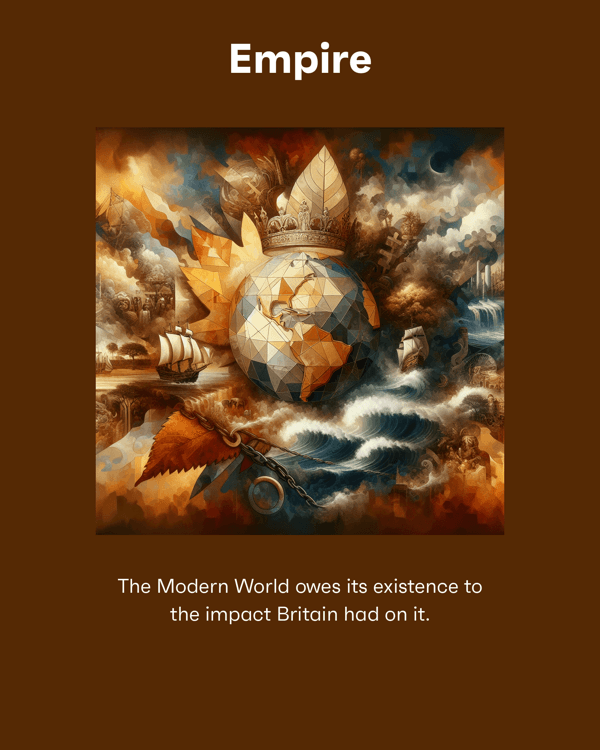
The narrative delves into the rise and fall of the British Empire, exploring its expansion through trade, migration, and military conquest, as well as the profound human and cultural costs of imperialism. Key themes include the exploitation of colonies, the role of commerce and consumerism, and the tensions between progress and oppression. From the Indian Rebellion of 1857 to the Scramble for Africa and the eventual decline after World War II, the story examines the complexities of empire-building and its enduring global impact.

Book summary

Niall Ferguson is one of the leading and most controversial historians of his generation. He is the author of many bestsellers on financial and political history, including The Ascent of Money, Empire and War of the World.

The Indian Rebellion of 1857, marked by brutal violence and retaliation, led to the formalization of British rule in India through the Government of India Act of 1858. Meanwhile, in Africa, figures like Dr. David Livingstone and Cecil Rhodes exemplified the Empire’s commercial ambitions, with Livingstone opposing the slave trade and Rhodes aggressively expanding British control in Southern Africa. Migration and the slave trade were integral to the Empire’s growth, with indentured servants and enslaved Africans enduring immense hardships to populate British territories. The abolitionist movement eventually led to the end of the slave trade, but the Victorian era brought new challenges, as Christian missionaries sought to reform practices like sati and infanticide in India, often provoking resistance. Global trade, driven by consumer demand for goods like sugar and tea, fueled the Empire’s expansion, with the East India Company playing a central role despite fierce competition with the Dutch. Colonization efforts extended to Australia, where penal colonies evolved into thriving settlements, and lessons from the loss of the American colonies prompted Britain to grant self-rule to other territories, albeit with significant consequences for indigenous populations. Wars like the Seven Years’ War and the Boer Wars solidified British dominance but highlighted the human and financial costs of empire-building. By the 20th century, the strain of two world wars and mounting opposition to colonialism led to the Empire’s decline, culminating in India’s independence in 1947 and the transition to the Commonwealth. Britain’s imperial history, marked by both achievements and exploitation, continues to raise complex questions about the legacy and ethics of empire-building.

To read rest of the book, you can download Bitely

appstoregoogleplayapp gallery
All Bites
bite9 Bites

Pirates to Governors: England's Imperial Origins

1
logo

How Trade Fueled the British Empire

2
logo

Forging an Empire: Britain’s Global Ascent

3
logo

Migration, Trade, and the Foundations of Empire

4
logo

Convicts to Colonists: The Empire’s Distant Gamble

5
logo

Faith, Rebellion, and the Empire's Faultlines

6
logo

Conquest, Commerce, and the Rise of Empire

7
logo

Empire at Its Peak and Breaking Point

8
logo

Britain's Empire: Rise, Fall, and Legacy

9
logo

Related Books

mailbox-icon

Want to keep learning?

Big ideas, bite-sized lessons—feed your curiosity every day with Bitely!