Economy & Finance
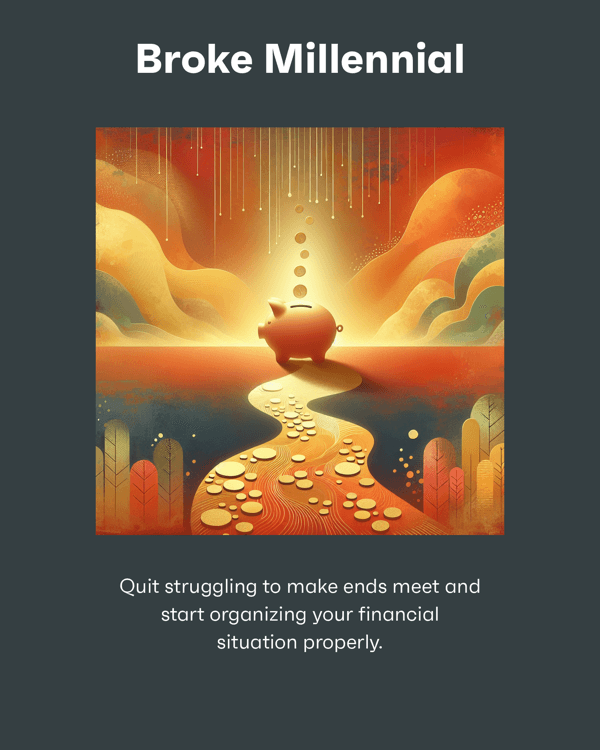
Broke MillennialBroke Millennial

Broke Millennial

user-icon

Erin Lowry

Banks use your deposits to fund loans for other customers, earning significant profits while offering minimal interest in return. Switching to online banks can help you secure better APYs due to their lower operating costs, but it’s essential to research fees and reviews before making a change. Managing finances often feels harder than it should because spending habits are deeply rooted in childhood experiences and emotional patterns. Recognizing these influences is the first step toward financial independence, followed by choosing a budgeting method—either cash-only or detailed expense tracking—that suits your goals. While credit cards can lead to debt if misused, they are valuable for building credit when paid off in full monthly. Establishing an emergency fund is also critical to avoid relying on credit cards during crises, with savings targets varying based on individual circumstances. For millennials, financial stress is common, but small, consistent actions like prioritizing savings and adjusting budget percentages can lead to long-term stability and freedom.

clock15 min
bite8 Bite
target Insight

What's it about?

This book dives into the often-overlooked psychology behind financial habits, offering practical strategies to help readers take control of their money. It explores how early experiences shape our attitudes toward spending and saving, while providing actionable advice on budgeting, managing debt, and building an emergency fund. With relatable examples and clear guidance, it empowers readers to make small, consistent changes that lead to lasting financial stability. Perfect for anyone looking to break free from financial stress and achieve their goals.

Book summary

Erin Lowry is a writer based in New York and the author of two books on personal finance. Known for her no-nonsense advice, Lowry is a regular guest on CBS Sunday Morning, CNBC, and Fox & Friends. She has also written about money for Fast Company, Cosmopolitan, and Refinery29.

Banks use your deposits to fund loans for other customers, earning significant profits while offering minimal interest in return. Switching to online banks can help you secure better APYs due to their lower operating costs, but it’s essential to research fees and reviews before making a change. Managing finances often feels harder than it should because spending habits are deeply rooted in childhood experiences and emotional patterns. Recognizing these influences is the first step toward financial independence, followed by choosing a budgeting method—either cash-only or detailed expense tracking—that suits your goals. While credit cards can lead to debt if misused, they are valuable for building credit when paid off in full monthly. Establishing an emergency fund is also critical to avoid relying on credit cards during crises, with savings targets varying based on individual circumstances. For millennials, financial stress is common, but small, consistent actions like prioritizing savings and adjusting budget percentages can lead to long-term stability and freedom.

To read rest of the book, you can download Bitely

appstoregoogleplayapp gallery
All Bites
bite8 Bites

Breaking Free from Financial Anxiety

1
logo

Uncovering the Roots of Your Money Habits

2
logo

Master Your Budget: Two Proven Strategies

3
logo

Master Your Budget: Achieve Financial Balance

4
logo

Boost Your Savings by Banking Smarter

5
logo

Master Credit Cards: Build Wealth, Avoid Debt

6
logo

Build Financial Security by Paying Yourself First

7
logo

Building an Emergency Fund for Financial Resilience

8
logo

Related Books

mailbox-icon

Want to keep learning?

Big ideas, bite-sized lessons—feed your curiosity every day with Bitely!