Self-Growth
BittersweetBittersweet

Bittersweet

user-icon

Susan Cain

Maya Angelou and Buckminster Fuller, both extraordinary figures, endured profound trauma—Angelou surviving childhood sexual assault and years of silence, Fuller losing his young daughter and contemplating suicide. Their stories, like many others, reveal that suffering is neither purposeful nor avoidable but integral to life’s complexity, where joy and pain coexist. Research shows that acknowledging negative emotions fosters resilience and well-being, as seen in practices like loving-kindness meditation, which transforms pain into compassion. This bittersweet interplay is echoed in art, such as Vedran Smailović’s cello performances amidst Sarajevo’s devastation, and in cultural traditions like Japan’s sakura festival, which honors impermanence. Yet, Western cultures often suppress sadness, prioritizing positivity, a tendency rooted in Calvinist ideals. Studies affirm that expressing struggles, such as through writing, promotes growth and healing. Reflective practices, like Tibetan monks’ acknowledgment of mortality, remind us that embracing death’s inevitability deepens life’s meaning.

clock7 min
bite4 Bite
target Insight

What's it about?

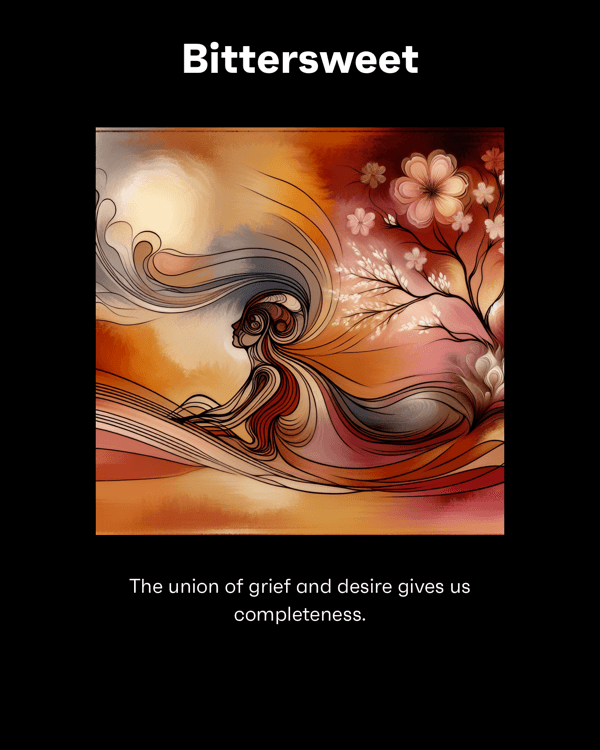
This book delves into the profound interplay of joy and sorrow, exploring how pain and beauty coexist to shape the human experience. Through the lives of extraordinary individuals like Maya Angelou and Buckminster Fuller, it examines how trauma and loss, though inherently unjust, can inspire resilience, creativity, and healing. Drawing on research, cultural practices, and poignant stories, it reveals the transformative power of embracing life’s bittersweet moments. By confronting suffering with compassion and honesty, we uncover deeper meaning and connection in our shared humanity.

Book summary

Susan Cain is a writer and lecturer whose TED Talk on the power of introverts has been viewed over 40 million times. Her follow-up book, Quiet: The Power of Introverts in a World That Can’t Stop Talking, has sold over 2 million copies and been translated into 30 languages.

Maya Angelou and Buckminster Fuller, both extraordinary figures, endured profound trauma—Angelou surviving childhood sexual assault and years of silence, Fuller losing his young daughter and contemplating suicide. Their stories, like many others, reveal that suffering is neither purposeful nor avoidable but integral to life’s complexity, where joy and pain coexist. Research shows that acknowledging negative emotions fosters resilience and well-being, as seen in practices like loving-kindness meditation, which transforms pain into compassion. This bittersweet interplay is echoed in art, such as Vedran Smailović’s cello performances amidst Sarajevo’s devastation, and in cultural traditions like Japan’s sakura festival, which honors impermanence. Yet, Western cultures often suppress sadness, prioritizing positivity, a tendency rooted in Calvinist ideals. Studies affirm that expressing struggles, such as through writing, promotes growth and healing. Reflective practices, like Tibetan monks’ acknowledgment of mortality, remind us that embracing death’s inevitability deepens life’s meaning.

To read rest of the book, you can download Bitely

appstoregoogleplayapp gallery
All Bites
bite4 Bites

Finding Beauty in Life's Bittersweet Moments

1
logo

Finding Strength in Life’s Bittersweet Truths

2
logo

The Hidden Cost of Forced Positivity

3
logo

Living Fully by Embracing Mortality

4
logo

Related Books

mailbox-icon

Want to keep learning?

Big ideas, bite-sized lessons—feed your curiosity every day with Bitely!