
Politics & Society
The New Jim CrowThe New Jim Crow

The New Jim Crow

user-icon

Michelle Alexander

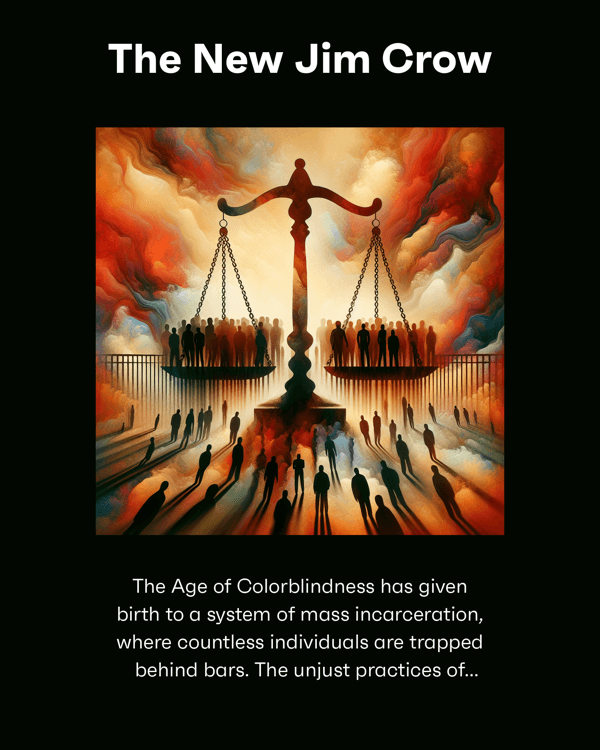
The U.S. justice system’s failure to address racial disparities in drug-related incarceration highlights a deeply entrenched issue. Harsh sentencing laws, such as mandatory minimums, disproportionately affect Black and Latino individuals, despite studies showing drug use and distribution rates are similar across racial groups. The War on Drugs, initiated under Reagan, exploited racial fears and stereotypes, leading to a dramatic rise in incarceration rates, particularly among communities of color. Media narratives and systemic biases further reinforced these inequalities, creating a cycle of marginalization that extends beyond prison walls. Former inmates face barriers like exclusion from housing, employment, and voting, perpetuating a system of racial control reminiscent of slavery and Jim Crow laws. To dismantle this structure, society must confront unconscious biases and shift the focus from elite institutions to the struggles of marginalized communities, fostering open dialogue about race and systemic injustice.

clock11 мин
bite7 Bite
target Инсайт

О чём это?

The book delves into the systemic racial injustices embedded within the U.S. criminal justice system, particularly through the lens of the War on Drugs. It examines how harsh sentencing laws, biased policing practices, and discriminatory post-incarceration policies disproportionately target Black and brown communities, perpetuating cycles of marginalization. By tracing historical parallels to slavery and Jim Crow laws, the narrative uncovers how racial hierarchies are maintained under the guise of law and order. This compelling exploration challenges readers to confront uncomfortable truths and rethink societal norms to inspire meaningful change.

Резюме книги

Michelle Alexander is an acclaimed civil rights lawyer and legal professor at Stanford Law School.

The U.S. justice system’s failure to address racial disparities in drug-related incarceration highlights a deeply entrenched issue. Harsh sentencing laws, such as mandatory minimums, disproportionately affect Black and Latino individuals, despite studies showing drug use and distribution rates are similar across racial groups. The War on Drugs, initiated under Reagan, exploited racial fears and stereotypes, leading to a dramatic rise in incarceration rates, particularly among communities of color. Media narratives and systemic biases further reinforced these inequalities, creating a cycle of marginalization that extends beyond prison walls. Former inmates face barriers like exclusion from housing, employment, and voting, perpetuating a system of racial control reminiscent of slavery and Jim Crow laws. To dismantle this structure, society must confront unconscious biases and shift the focus from elite institutions to the struggles of marginalized communities, fostering open dialogue about race and systemic injustice.

Чтобы прочитать остальную часть книги, скачайте Bitely
appstoregoogleplayapp gallery
Все кусочки
bite7 Bites

America’s Racial Divide Fueled by Mass Incarceration

1
logo

Racial Injustice and Mass Incarceration in America

2
logo

Racial Bias and Injustice in U.S. Sentencing

3
logo

Unmasking Racial Bias in Drug Enforcement

4
logo

Breaking the Cycle of Racial Injustice

5
logo

Racial Control Reimagined: The War on Drugs

6
logo

Breaking the Silence on Racial Injustice

7
logo

Связанные книги

mailbox-icon

Хотите продолжать учиться?

Не пропустите обновления из захватывающей вселенной Bitely!