
Politics & Society
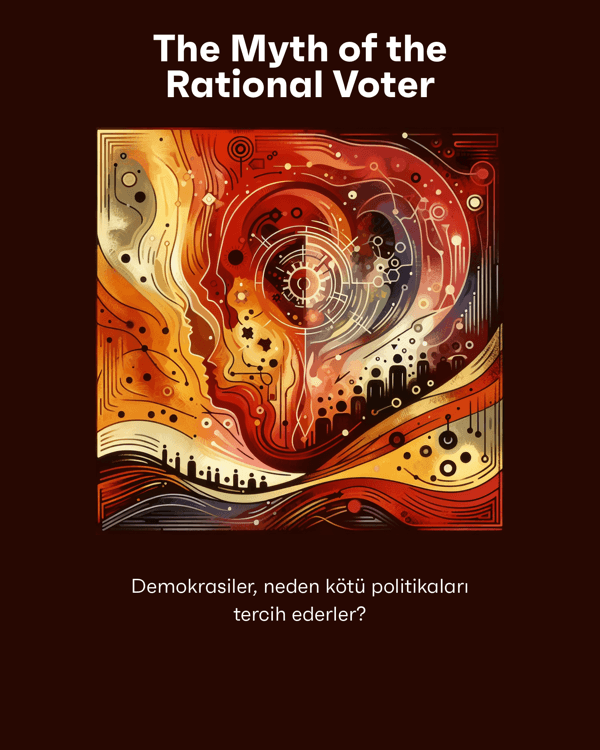
The Myth of the Rational VoterThe Myth of the Rational Voter

The Myth of the Rational Voter

user-icon

Bryan Caplan

We’ve explored various biases that challenge democracy, from skepticism toward the free market to misconceptions about foreign trade, and even the unexpected issue of voters not acting in their own self-interest. These biases, often rooted in emotional convictions or misinformation, disrupt the democratic process by undermining the principle of aggregation, which relies on diverse and rational input to balance extremes. While democracy thrives on collective decision-making, its effectiveness is hindered by widespread biases, emotional attachments, and a lack of perceived personal stakes in voting outcomes. As we move forward, we’ll examine additional factors that threaten the integrity of democratic systems.

clock11 мин
bite8 Bite
target Инсайт

О чём это?

This book dives into the hidden biases and misconceptions that shape public opinion, influence democratic processes, and challenge rational decision-making. From skepticism toward the free market to misunderstandings about foreign trade and the emotional convictions driving voter behavior, it unravels how these factors disrupt the "miracle of aggregation" that democracy depends on. By examining these pervasive issues, the book offers a thought-provoking exploration of the forces that threaten the balance and effectiveness of democratic governance.

Резюме книги

Bryan Caplan is an American author and professor of economics at George Mason University. His previous books include The Myth of the Rational Voter and Selfish Reasons to Have More Kids.

We’ve explored various biases that challenge democracy, from skepticism toward the free market to misconceptions about foreign trade, and even the unexpected issue of voters not acting in their own self-interest. These biases, often rooted in emotional convictions or misinformation, disrupt the democratic process by undermining the principle of aggregation, which relies on diverse and rational input to balance extremes. While democracy thrives on collective decision-making, its effectiveness is hindered by widespread biases, emotional attachments, and a lack of perceived personal stakes in voting outcomes. As we move forward, we’ll examine additional factors that threaten the integrity of democratic systems.

Чтобы прочитать остальную часть книги, скачайте Bitely
appstoregoogleplayapp gallery
Все кусочки
bite8 Bites

The Power and Perils of Collective Judgment

1
logo

Biases That Undermine Democracy's Core Principles

2
logo

Challenging Biases: The Free Market Misunderstood

3
logo

Challenging Misconceptions About Trade and Markets

4
logo

Rethinking Biases: How Misconceptions Shape Progress

5
logo

Self-Interest: The Surprising Key to Democracy

6
logo

Emotions, Bias, and the Fragility of Democracy

7
logo

Rationality vs. Emotion: The Voter's Dilemma

8
logo

Связанные книги

mailbox-icon

Хотите продолжать учиться?

Не пропустите обновления из захватывающей вселенной Bitely!