
Self-Growth
The End of BiasThe End of Bias

The End of Bias

user-icon

Jessica Nordell

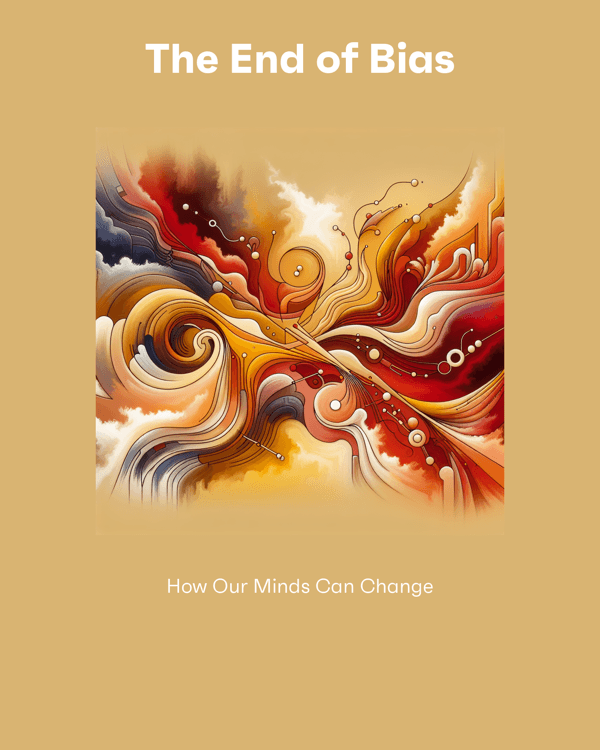
Confronting bias is much like cutting back on sugar—it’s challenging because both are deeply ingrained in our habits and surroundings. Prejudices, shaped by upbringing and culture, often surface automatically, influencing our perceptions of age, race, or gender without us realizing their unfairness. While diversity workshops aim to dismantle these biases, their long-term impact is uncertain, as people often revert to old patterns or even strengthen their biases. The solution lies not in erasing biases but in replacing them by acknowledging and valuing differences, much like swapping sugary treats for healthier alternatives. Programs like the Madison workshops demonstrate how replacing prejudiced thoughts with balanced perspectives can foster meaningful change. True progress requires a conscious effort to rethink assumptions and understand their historical roots, creating a society where actions are deliberate rather than reflexive.

clock3 мин
bite1 Bite
target Инсайт

О чём это?

Confronting bias is as challenging as cutting back on sugar—it’s deeply ingrained, often hidden, and hard to overcome. This book explores how prejudices, shaped by upbringing and culture, influence our actions and decisions, often without our awareness. Through engaging analogies and insights, it examines why traditional methods to combat bias may fall short and highlights the importance of replacing unfair assumptions with more balanced perspectives. With a focus on gradual, meaningful change, it offers a thoughtful approach to fostering inclusivity and conscious decision-making in a diverse world.

Резюме книги

Jessica Nordell is a writer and journalist known for her work on psychology, science, and social issues. In addition to The End of Bias, she has contributed to discussions on gender, culture, and science in various media outlets.

Confronting bias is much like cutting back on sugar—it’s challenging because both are deeply ingrained in our habits and surroundings. Prejudices, shaped by upbringing and culture, often surface automatically, influencing our perceptions of age, race, or gender without us realizing their unfairness. While diversity workshops aim to dismantle these biases, their long-term impact is uncertain, as people often revert to old patterns or even strengthen their biases. The solution lies not in erasing biases but in replacing them by acknowledging and valuing differences, much like swapping sugary treats for healthier alternatives. Programs like the Madison workshops demonstrate how replacing prejudiced thoughts with balanced perspectives can foster meaningful change. True progress requires a conscious effort to rethink assumptions and understand their historical roots, creating a society where actions are deliberate rather than reflexive.

Чтобы прочитать остальную часть книги, скачайте Bitely
appstoregoogleplayapp gallery
Все кусочки
bite1 Bites

Replacing Bias: A Journey to Conscious Change

1
logo

Связанные книги

mailbox-icon

Хотите продолжать учиться?

Не пропустите обновления из захватывающей вселенной Bitely!