Technology & Future
Reading the CommentsReading the Comments

Reading the Comments

user-icon

Joseph M. Reagle Jr.

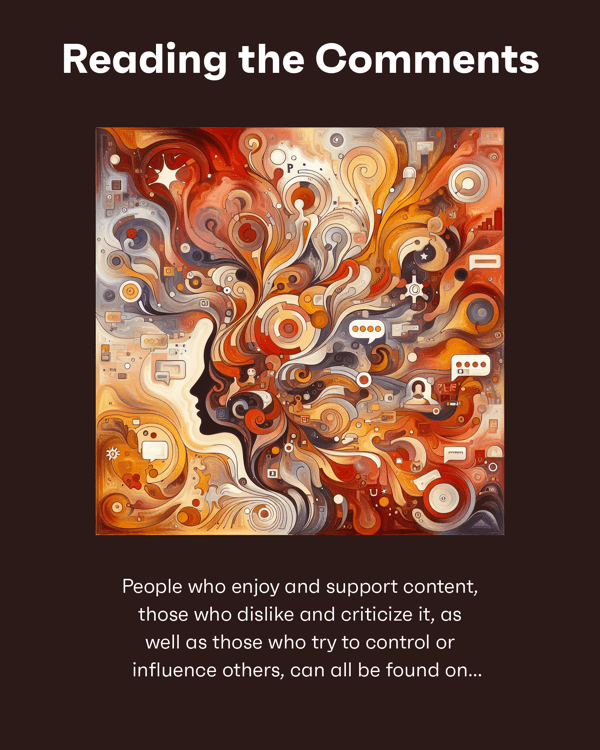
The internet has revolutionized self-expression but remains chaotic, with popularity often disconnected from quality. Platforms like Slashdot illustrate how rating systems can fail due to user biases, while subjective scales and lack of context further complicate online communication. Reviews, though helpful for consumers, are increasingly manipulated, with studies revealing widespread tampering and even illicit markets for fake evaluations. Commentary, rooted in historical practices like the Michelin guide and literary critiques, has evolved into diverse forms, including feedback, which, when constructive, fosters growth. However, anonymity online often leads to unethical behavior, enabling dishonesty, cyberbullying, and trolling. The rise of social media has also amplified self-promotion and narcissism, with curated online personas boosting self-esteem for some while diminishing it for others through unrealistic comparisons. This curated culture, particularly among celebrities, fuels dissatisfaction as people measure their lives against idealized, polished images. The next section delves deeper into these dynamics and their broader implications.

clock9 мин
bite6 Bite
target Инсайт

О чём это?

The book delves into the complexities of online communication, exploring how the internet has transformed self-expression, feedback, and social interactions. It examines the chaotic nature of digital platforms, the manipulation of online reviews, and the ethical dilemmas posed by anonymity. Through engaging analysis, it highlights the rise of narcissism, the impact of curated online personas, and the challenges of interpreting feedback in a digital age. Blending historical context with modern insights, it offers a thought-provoking look at how technology shapes human behavior.

Резюме книги

John Reagle is the author of the acclaimed title, Good Faith Collaboration: The Culture of Wikipedia. He is also an assistant professor of communication studies at Northeastern University.

The internet has revolutionized self-expression but remains chaotic, with popularity often disconnected from quality. Platforms like Slashdot illustrate how rating systems can fail due to user biases, while subjective scales and lack of context further complicate online communication. Reviews, though helpful for consumers, are increasingly manipulated, with studies revealing widespread tampering and even illicit markets for fake evaluations. Commentary, rooted in historical practices like the Michelin guide and literary critiques, has evolved into diverse forms, including feedback, which, when constructive, fosters growth. However, anonymity online often leads to unethical behavior, enabling dishonesty, cyberbullying, and trolling. The rise of social media has also amplified self-promotion and narcissism, with curated online personas boosting self-esteem for some while diminishing it for others through unrealistic comparisons. This curated culture, particularly among celebrities, fuels dissatisfaction as people measure their lives against idealized, polished images. The next section delves deeper into these dynamics and their broader implications.

Чтобы прочитать остальную часть книги, скачайте Bitely

appstoregoogleplayapp gallery
Все кусочки
bite6 Bites

From Star Ratings to Digital Feedback

1
logo

Mastering the Art of Constructive Feedback

2
logo

Navigating Chaos: The Hidden Flaws of Online Feedback

3
logo

Unmasking the Manipulation of Online Reviews

4
logo

The Dark Side of Online Anonymity

5
logo

Curated Lives: The Rise of Digital Narcissism

6
logo

Связанные книги

mailbox-icon

Хотите продолжать учиться?

Не пропустите обновления из захватывающей вселенной Bitely!