
Biography & History
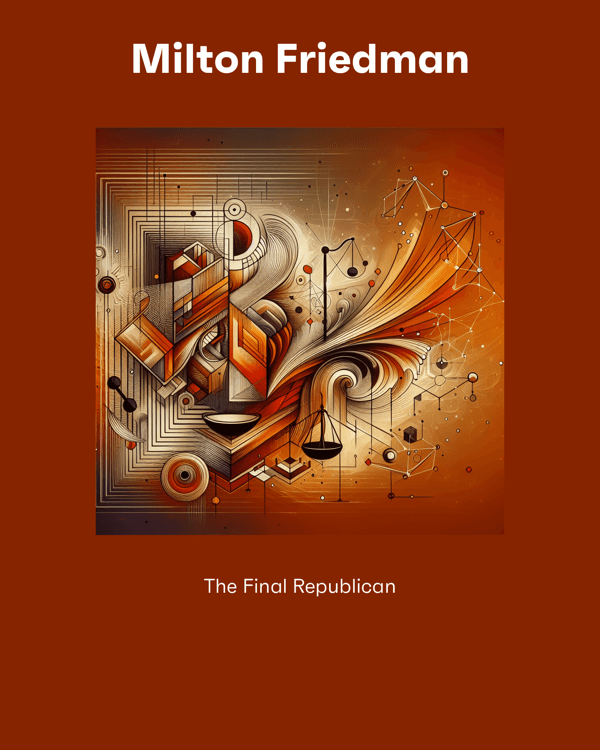
Milton FriedmanMilton Friedman

Milton Friedman

user-icon

Jennifer Burns

Milton Friedman’s return to Chicago marked a pivotal chapter in his career, as he reconnected with a circle of Frank Knight’s followers and immersed himself in the intellectual environment of the emerging Chicago school. While the nation embraced New Deal liberalism, Friedman and his peers formed a counter-establishment rooted in market-oriented principles. Despite the tragic loss of his mentor Henry Simons and the challenges posed by the Keynesian-leaning Cowles Commission, Friedman strategically reshaped the University of Chicago’s economics department, fostering groundbreaking movements in law and economics and regulatory analysis. These efforts allowed Friedman to refine his vision of liberalism, emphasizing freedom and market mechanisms while exploring innovative policies like school vouchers and negative income taxes. By the late 1950s, Friedman and his collaborators had established a distinct intellectual tradition that challenged prevailing Keynesian paradigms, setting the stage for his enduring legacy in economic thought and policy.

clock12 мин
bite4 Bite
target Инсайт

О чём это?

Milton Friedman’s life and work embody a journey of intellectual rigor and transformative ideas that reshaped modern economics. From his humble beginnings in a small New Jersey town to becoming a towering figure in 20th-century economic thought, Friedman’s story is one of resilience, innovation, and bold challenges to prevailing norms. His groundbreaking contributions, from monetary theory to policy innovations like school vouchers and negative income taxes, reflect a commitment to individual freedom and market-driven solutions. Whether celebrated or critiqued, Friedman’s legacy continues to provoke debate and inspire inquiry into the fundamental principles shaping economic policy today.

Резюме книги

Jennifer Burns is an associate professor of history at Stanford University and the author of Goddess of the Market. She has also written for major publications, including the New York Times and the Financial Times, and appeared on popular television programs like The Daily Show and The Colbert Report.

Milton Friedman’s return to Chicago marked a pivotal chapter in his career, as he reconnected with a circle of Frank Knight’s followers and immersed himself in the intellectual environment of the emerging Chicago school. While the nation embraced New Deal liberalism, Friedman and his peers formed a counter-establishment rooted in market-oriented principles. Despite the tragic loss of his mentor Henry Simons and the challenges posed by the Keynesian-leaning Cowles Commission, Friedman strategically reshaped the University of Chicago’s economics department, fostering groundbreaking movements in law and economics and regulatory analysis. These efforts allowed Friedman to refine his vision of liberalism, emphasizing freedom and market mechanisms while exploring innovative policies like school vouchers and negative income taxes. By the late 1950s, Friedman and his collaborators had established a distinct intellectual tradition that challenged prevailing Keynesian paradigms, setting the stage for his enduring legacy in economic thought and policy.

Чтобы прочитать остальную часть книги, скачайте Bitely
appstoregoogleplayapp gallery
Все кусочки
bite4 Bites

From Rahway to Revolutionizing Economics

1
logo

Milton Friedman’s Rise Against Economic Orthodoxy

2
logo

Forging Freedom: Milton Friedman's Economic Revolution

3
logo

Challenging Orthodoxy: Milton Friedman’s Economic Revolution

4
logo

Связанные книги

mailbox-icon

Хотите продолжать учиться?

Не пропустите обновления из захватывающей вселенной Bitely!