
Biography & History
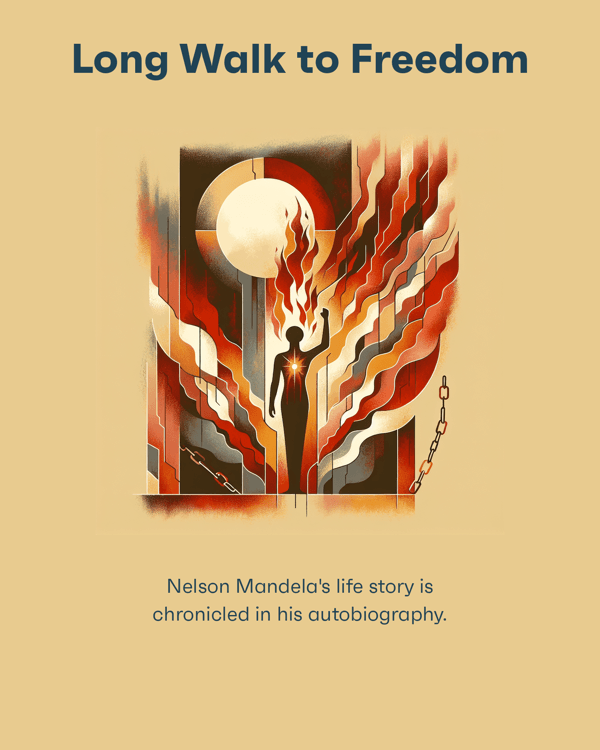
Long Walk to FreedomLong Walk to Freedom

Long Walk to Freedom

user-icon

Nelson Mandela

While awaiting trial, Mandela and his comrades resolved to take their operations underground, recognizing the urgency of adapting the ANC’s strategies. Upon his release, Mandela pushed for decisive action, arguing in a confidential 1961 meeting that peaceful resistance had been exhausted and that the ANC must embrace violent methods. Despite the leadership’s official stance on non-violence, Mandela established Umkhonto we Siswe (MK), the ANC’s militant wing, focusing initially on sabotage to minimize harm while maximizing impact. Though inexperienced in armed conflict, Mandela immersed himself in studying guerrilla tactics and led the MK’s early operations, including attacks on government infrastructure. These efforts marked a turning point in the anti-apartheid struggle, as Mandela’s leadership and strategic vision laid the foundation for a more confrontational phase of resistance.

clock19 мин
bite12 Bite
target Инсайт

О чём это?

Nelson Mandela’s life is a powerful narrative of resilience, justice, and the relentless fight against oppression. From his early days in the Xhosa community to his pivotal role in the anti-apartheid movement, Mandela’s journey reflects courage in the face of systemic injustice. His unwavering commitment to equality, even during decades of imprisonment, inspired a global movement that reshaped South Africa’s future. This story captures the essence of a leader whose legacy continues to ignite hope and change worldwide.

Резюме книги

Nelson Mandela is among the most eminent political figures of the twentieth century. He was the icon of the anti-apartheid struggle in South Africa, devoting his entire life to the cause. For his commitment to justice, he was awarded the Nobel Peace Prize in 1993.

While awaiting trial, Mandela and his comrades resolved to take their operations underground, recognizing the urgency of adapting the ANC’s strategies. Upon his release, Mandela pushed for decisive action, arguing in a confidential 1961 meeting that peaceful resistance had been exhausted and that the ANC must embrace violent methods. Despite the leadership’s official stance on non-violence, Mandela established Umkhonto we Siswe (MK), the ANC’s militant wing, focusing initially on sabotage to minimize harm while maximizing impact. Though inexperienced in armed conflict, Mandela immersed himself in studying guerrilla tactics and led the MK’s early operations, including attacks on government infrastructure. These efforts marked a turning point in the anti-apartheid struggle, as Mandela’s leadership and strategic vision laid the foundation for a more confrontational phase of resistance.

Чтобы прочитать остальную часть книги, скачайте Bitely
appstoregoogleplayapp gallery
Все кусочки
bite12 Bites

Nelson Mandela: Defying Injustice, Shaping Freedom

1
logo

Forging Identity: Nelson Mandela’s Early Defiance

2
logo

Forging Freedom: Mandela’s Path to Resistance

3
logo

Forging Unity: Mandela’s Rise Against Apartheid

4
logo

Defying Oppression: Mandela's Fight for Justice

5
logo

Mandela's Defiance: Triumph Amid Treason Trials

6
logo

Forging Resistance: Mandela's Path to Defiance

7
logo

Defying Oppression: Mandela's Fight for Justice

8
logo

Mandela's Defiance: Resilience on Robben Island

9
logo

Mandela's Fight: Sparks of Resistance

10
logo

Mandela's Path to Negotiating Freedom

11
logo

Mandela's Walk to Freedom and Unity

12
logo

Связанные книги

mailbox-icon

Хотите продолжать учиться?

Не пропустите обновления из захватывающей вселенной Bitely!