
Nature & Science
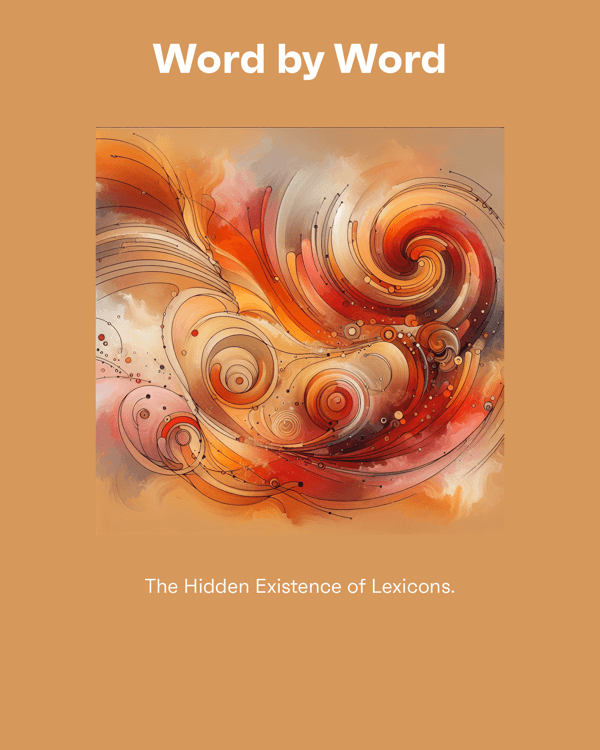
Word by WordWord by Word

Word by Word

user-icon

Kory Stamper

Grammar, often misunderstood as a rigid set of rules for judging language use, is far more complex and nuanced, offering no absolute answers. This complexity is something lexicographers encounter early in their careers as they classify words into traditional parts of speech, often grappling with ambiguous cases like "but" or "the." Misconceptions about grammar persist, as do debates over controversial words like "irregardless," which, despite being labeled nonstandard, remains in dictionaries due to its historical and regional usage. Lexicographers focus on documenting language as it is used, not prescribing how it should be, which often frustrates readers seeking deeper philosophical meanings. Dictionary revisions, while exciting, can spark controversy, as they reflect evolving language rather than moral judgments. The inclusion of words depends on criteria like widespread use, historical significance, and clear meaning, with citations required to illustrate practical usage. Lexicography, though obscure and solitary, attracts individuals from diverse backgrounds, united by a passion for language. As we explore further, grammar’s role in shaping dictionaries becomes even more evident.

clock10 min
bite8 Bite
target Aperçu

De quoi s'agit-il ?

Discover the fascinating world of lexicography, where language meets meticulous analysis. This book delves into the complexities of grammar, the evolving nature of words, and the challenges faced by dictionary writers as they document language in its raw, ever-changing form. From debates over controversial terms like "irregardless" to the nuanced art of defining words, it offers an engaging exploration of how dictionaries reflect, rather than dictate, linguistic norms. Perfect for language enthusiasts, it reveals the hidden intricacies behind the words we use every day.

Résumé du livre

Kory Stamper works as a lexicographer for Merriam-Webster. She is also a popular blogger whose writing has appeared in the Guardian and the New York Times.

Grammar, often misunderstood as a rigid set of rules for judging language use, is far more complex and nuanced, offering no absolute answers. This complexity is something lexicographers encounter early in their careers as they classify words into traditional parts of speech, often grappling with ambiguous cases like "but" or "the." Misconceptions about grammar persist, as do debates over controversial words like "irregardless," which, despite being labeled nonstandard, remains in dictionaries due to its historical and regional usage. Lexicographers focus on documenting language as it is used, not prescribing how it should be, which often frustrates readers seeking deeper philosophical meanings. Dictionary revisions, while exciting, can spark controversy, as they reflect evolving language rather than moral judgments. The inclusion of words depends on criteria like widespread use, historical significance, and clear meaning, with citations required to illustrate practical usage. Lexicography, though obscure and solitary, attracts individuals from diverse backgrounds, united by a passion for language. As we explore further, grammar’s role in shaping dictionaries becomes even more evident.

Pour lire le reste du livre, téléchargez Bitely
appstoregoogleplayapp gallery
Toutes les bouchées
bite8 Bites

Crafting Words: The Silent World of Lexicography

1
logo

Decoding Grammar: The Art Behind Words

2
logo

Rethinking Grammar: Beyond Rules and Judgment

3
logo

Irregardless: The Curious Case of Language Evolution

4
logo

Defining Words: The Art of Practical Meaning

5
logo

Crafting Language: How Words Earn Their Place

6
logo

Crafting Clarity: The Art of Lexicography

7
logo

Documenting Language: The Art of Lexicography

8
logo

Livres associés

mailbox-icon

Voulez-vous continuer à apprendre ?

Ne manquez pas les mises à jour de l'univers passionnant de Bitely !