Biography & History
When Women Ruled the WorldWhen Women Ruled the World

When Women Ruled the World

user-icon

Kara Cooney

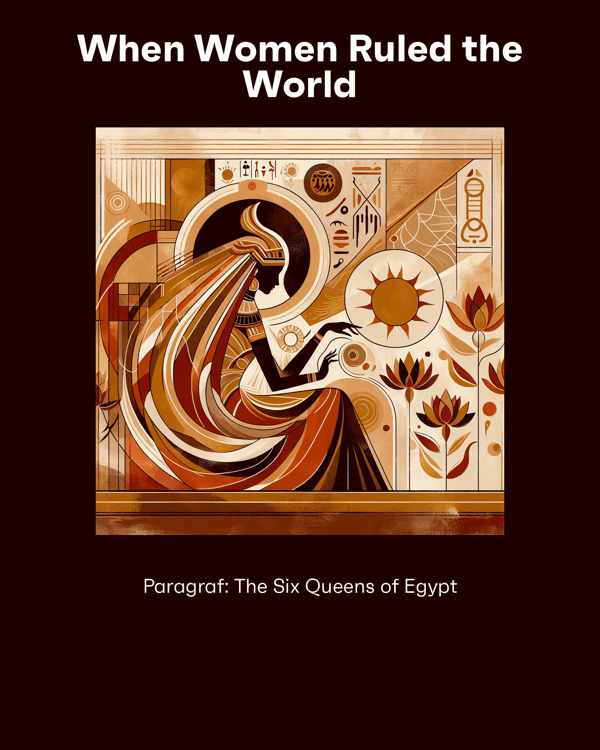
In ancient Egypt, women occasionally rose to power within a predominantly patriarchal system rooted in divine kingship, where rulers were seen as godlike figures. Despite societal expectations of male succession, mythology and royal titles acknowledged the importance of women in preserving the monarchy. Female rulers like Queen Merneith, Neferusobek, Hatshepsut, Nefertiti, and Cleopatra navigated crises, legitimized their authority through religious and political strategies, and achieved significant accomplishments, often rivaling their male counterparts. However, their legacies were frequently erased or diminished by successors. Practices like royal incest, aimed at preserving lineage, often led to health issues and succession crises, occasionally enabling women to ascend the throne. These leaders demonstrated resilience and emotional intelligence, traits valued in ancient Egypt but often dismissed in modern contexts. Despite systemic obstacles, their reigns left enduring marks on history, showcasing the capability of women to lead effectively amidst adversity.

clock13 min
bite8 Bite
target Aperçu

De quoi s'agit-il ?

In ancient Egypt, a civilization defined by divine kingship and immense wealth, women occasionally rose to power despite a predominantly patriarchal system. This book explores the lives of remarkable female rulers who defied societal norms, from Hatshepsut’s architectural and military achievements to Cleopatra’s political acumen and resilience. Through their stories, it examines the complexities of leadership, gender dynamics, and the enduring impact of these women on Egypt’s history. Their legacies, often erased or overshadowed, reveal the strength and ingenuity required to navigate a world that seldom welcomed women in positions of authority.

Résumé du livre

Kara Cooney is a professor of Egyptology at UCLA. Her studies focus on afterlife beliefs, preparations for death and gender dynamics in ancient Egypt. Her previous book, The Woman Who Would Be King, is about the life and death of Egypt’s female king Hatshepsut.

In ancient Egypt, women occasionally rose to power within a predominantly patriarchal system rooted in divine kingship, where rulers were seen as godlike figures. Despite societal expectations of male succession, mythology and royal titles acknowledged the importance of women in preserving the monarchy. Female rulers like Queen Merneith, Neferusobek, Hatshepsut, Nefertiti, and Cleopatra navigated crises, legitimized their authority through religious and political strategies, and achieved significant accomplishments, often rivaling their male counterparts. However, their legacies were frequently erased or diminished by successors. Practices like royal incest, aimed at preserving lineage, often led to health issues and succession crises, occasionally enabling women to ascend the throne. These leaders demonstrated resilience and emotional intelligence, traits valued in ancient Egypt but often dismissed in modern contexts. Despite systemic obstacles, their reigns left enduring marks on history, showcasing the capability of women to lead effectively amidst adversity.

Pour lire le reste du livre, téléchargez Bitely

appstoregoogleplayapp gallery
Toutes les bouchées
bite8 Bites

Queens of Power: Women Who Ruled Egypt

1
logo

Merneith: The Queen Who Shaped a Dynasty

2
logo

Royal Bloodlines and the Cost of Power

3
logo

Hatshepsut: Egypt's Trailblazing Pharaoh-Queen

4
logo

Nefertiti: The Hidden Power Behind Egypt's Throne

5
logo

Queens Who Defied Egypt’s Patriarchy

6
logo

Cleopatra: Power, Intrigue, and Egypt's Last Queen

7
logo

Queens of Power: Egypt's Forgotten Rulers

8
logo

Livres associés

mailbox-icon

Voulez-vous continuer à apprendre ?

Ne manquez pas les mises à jour de l'univers passionnant de Bitely !