Résumé du livre
Lisa A. Phillips wrote the book Public Radio: Behind the Voices and contributes to the New York Times, Psychology Today and Cosmopolitan. She is the recipient of multiple reporting awards and is a journalism professor at the State University of New York at New Paltz.
Unrequited love, often dismissed as mere heartache, can profoundly fuel creativity, as both love and artistic expression activate similar brain responses, fostering joy and dampening negativity. While fulfilled love may sometimes stifle creativity by diverting time and energy, rejection often inspires artistic breakthroughs, as seen in the work of Isadora Duncan. However, unreciprocated love can also lead to unhealthy fixations, where individuals lose sight of their beloved’s autonomy, mistaking obsessive actions for devotion. Cognitive-behavioral therapy (CBT) helps individuals recognize that such fixations often stem from deeper needs for self-worth rather than the object of affection itself. Adolescents, in contrast, benefit from harmless crushes as a developmental phase, exploring emotions without the risks of mature relationships. Despite progress in gender equality, societal norms still stigmatize women pursuing unreciprocated love, framing them as pitiable, unlike men whose relentless pursuits are romanticized. Literature, however, continues to celebrate these dynamics, reflecting enduring fascination with love’s complexities. Historically, romantic obsession, once seen as honorable in men, became a mark of shame for women, evolving into the concept of "limerence," a state of emotional dependency likened to addiction, where the pursuit of love often masks deeper desires for connection and self-validation.
Pour lire le reste du livre, téléchargez
Bitely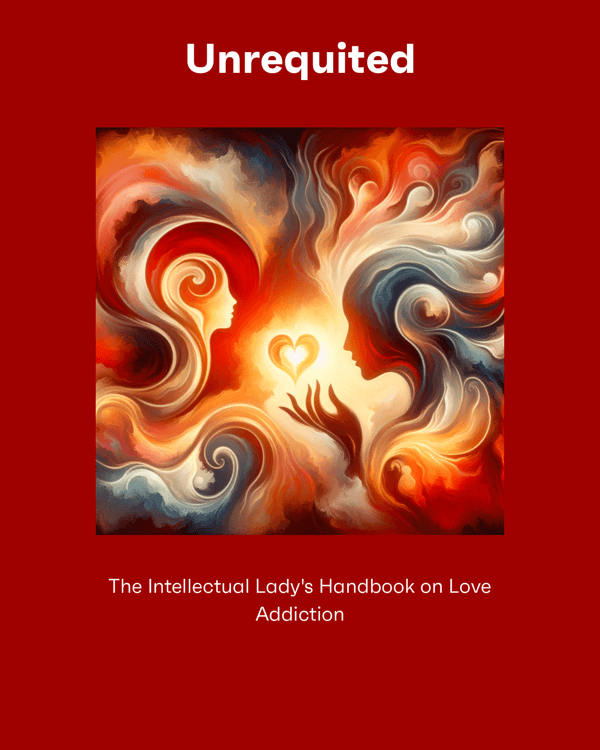

 9 min
9 min 6 Bite
 Aperçu


 6 Bites