Résumé du livre
Kevin Dutton is a British psychologist and writer known for his work in the field of psychology, particularly in areas related to personality, intelligence, and psychopathy.
Psychopaths often exhibit a utilitarian mindset, making decisions based on logic and outcomes rather than emotional considerations, as seen in moral dilemmas where they prioritize saving more lives regardless of the method. Their emotional detachment allows them to act decisively, focus on the present, and remain unfazed by risks or setbacks, traits that can lead to both success and incarceration. While some psychopaths thrive in high-pressure roles like law enforcement or leadership, others misuse their traits, leading to criminal behavior. Research highlights that psychopathy exists on a spectrum, with moderate traits proving advantageous in certain contexts, such as charisma, boldness, and focus. However, excessive traits often result in harmful outcomes. The ability to adapt psychopathic tendencies situationally, as seen in functional psychopaths, can be a powerful tool for navigating complex environments. Modern societal influences, like the internet and media, have contributed to a rise in sub-psychopathic tendencies among youth, marked by declining empathy and increasing narcissism. In the next sections, we will explore the lessons that can be learned from successful individuals with psychopathic traits.
“Psychopathy is like sunlight. Overexposure can hasten one’s demise in grotesque, carcinogenic fashion. But regulated exposure at controlled and optimal levels can have a significant positive impact on well-being and quality of life.”
“The problem with a lot of people is that what they think is a virtue is actually a vice in disguise. It's much easier to convince yourself that you're reasonable and civilised, than soft and weak, isn't it?”
“Conscience is what hurts when everything else feels good.”
Pour lire le reste du livre, téléchargez
Bitely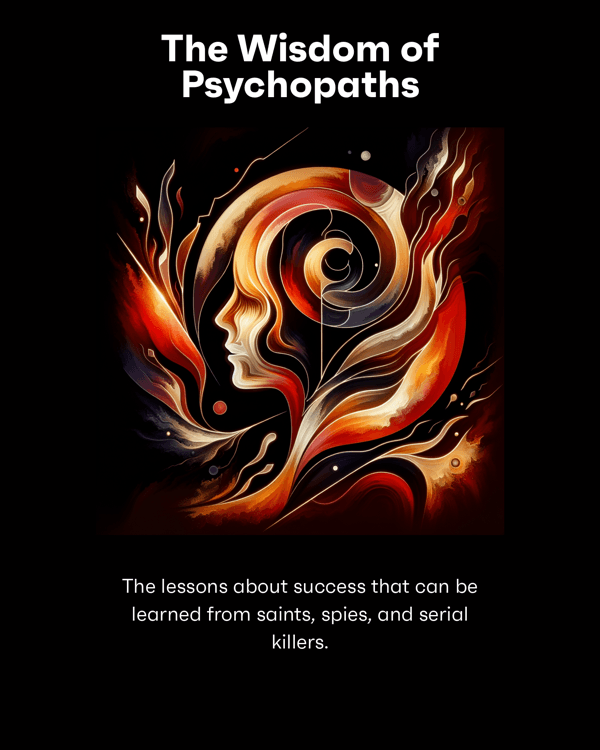


 13 min
 9 Bite
 Aperçu


 9 Bites