Résumé du livre
Jamil Zaki is a professor of psychology and has been the director of the Stanford Social Neuroscience Lab since 2012. His research focuses on empathy and social cognition. The War for Kindness is his first book.
Caring for others, whether in personal or professional settings, requires a delicate balance of empathy to avoid emotional exhaustion while maintaining meaningful connections. Programs like RISE and practices such as meditation help caregivers manage their emotions by focusing on concern rather than distress, preserving their mental health. Similarly, systemic changes in institutions like law enforcement and schools demonstrate how embedding empathy into frameworks can inspire more compassionate behaviors, as seen in de-escalation training for officers and anti-bullying initiatives in schools. Narratives, whether through literature or media, have the power to foster empathy and reconciliation, as evidenced by programs like Changing Lives Through Literature for ex-convicts and *New Dawn* in post-genocide Rwanda. Personal interactions and small behavioral shifts, such as nudges or mindset changes, can also cultivate empathy, as shown in experiments like Dan Batson’s work during the AIDS crisis. Long-term strategies, such as loving-kindness meditation, further enhance empathy by rewiring the brain and encouraging generosity. Believing in empathy’s potential for growth, as supported by psychological mobilism, can immediately boost one’s capacity for compassion. While technology can diminish empathy through online cruelty and overuse, it also offers tools like chatbots and VR simulations to promote understanding and connection, proving its dual potential to divide or unite.
Pour lire le reste du livre, téléchargez
Bitely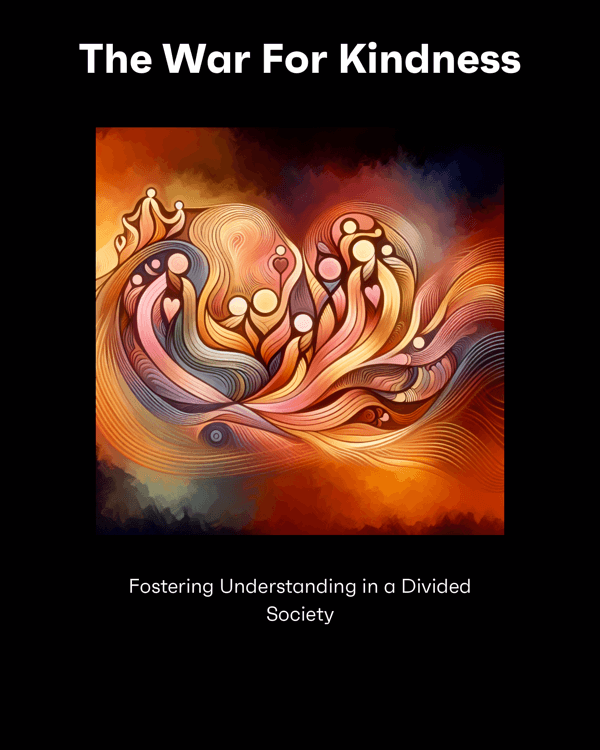

 10 min
 7 Bite
 Aperçu


 7 Bites