Résumé du livre
Michael Braungart is a German chemist who holds a chair in industrial ecology and Cradle to Cradle management at Erasmus University in Rotterdam. He is a visiting professor at TU Delft, The Netherlands. He was one of the founders of Germany’s Green Party.
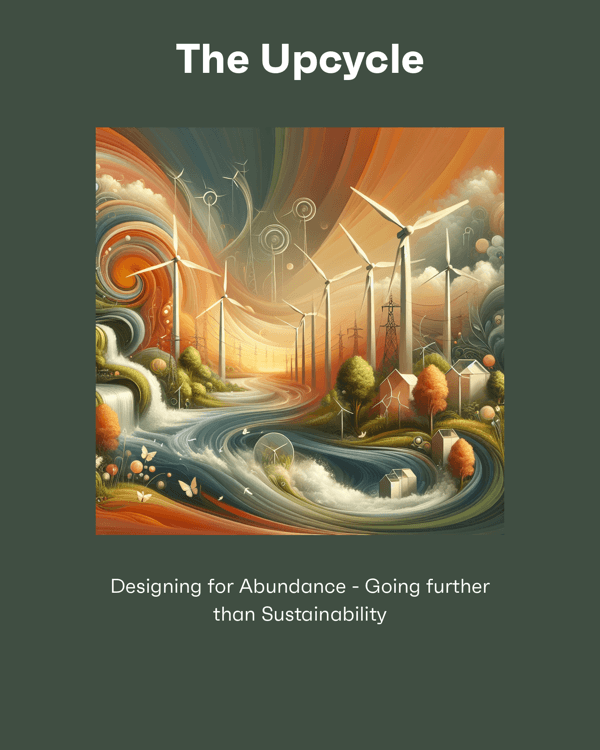
Society’s energy challenges are less about scarcity and more about sustainable utilization. Wind energy, increasingly accessible through innovations like the University of Maine’s floating turbines and Minnesota’s supportive policies, exemplifies this potential. Similarly, hydropower offers clean energy but must be developed responsibly, as seen in Iceland’s Kárahnjúkar plant, which harmed its ecosystem despite initial success. Reducing energy waste is another critical strategy, with meat production being a significant yet often overlooked contributor. Eco-friendly designs, such as energy-efficient buildings, demonstrate how sustainability can align with cost-effectiveness, provided innovative materials and methods are embraced, as exemplified by pioneers like Paul MacCready and Thomas Edison. Addressing climate change requires rethinking humanity’s relationship with nature, fostering coexistence through practices like upcycling and learning from natural cycles. Transitioning to a greener economy demands intentionality and adherence to principles like the Hannover Principles, which emphasize the integration of ecological and economic goals. Bold, ambitious solutions, as demonstrated by NASA’s fuel-efficient space station, are essential for meaningful progress.
Pour lire le reste du livre, téléchargez
Bitely







 7 min
7 min 4 Bite
 Aperçu
 4 Bites