Résumé du livre
Christopher Clark is a historian from Australia, who is currently Regius Professor of History at the University of Cambridge. Among his other books, he is also the author of Iron Kingdom: The Rise and Downfall of Prussia, 1600-1947.
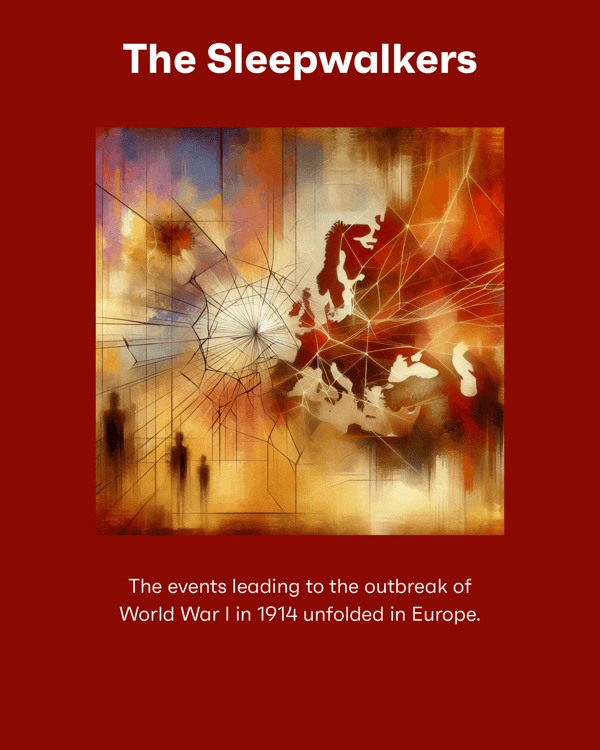
The Great War, a devastating tragedy of the 20th century, was deeply rooted in the alliance system, which created a fragile web of connections that escalated regional tensions into a continent-wide conflict. In the volatile Balkans, the disintegration of the Ottoman Empire and competing national interests heightened instability. As war loomed, nations like Germany, France, and Russia, driven by fears of losing strategic advantages, embraced the belief that conflict was inevitable and better fought sooner. Efforts to prevent war, such as diplomatic overtures and delayed mobilizations, ultimately failed as mistrust, opaque governance, and misjudgments fueled the crisis. The assassination of Franz Ferdinand triggered a chain reaction within polarized alliances, with Austria and Germany provoking Serbia and Russia, while France encouraged Russian aggression. Although the coalition system initially aimed to maintain peace, it evolved into rigid blocs that left no room for neutrality, ensuring that localized disputes spiraled into global war. Miscommunication, strategic miscalculations, and the fatalistic mindset of inevitability sealed Europe’s path to catastrophe, raising the enduring question of whether the conflict could have been averted.
Pour lire le reste du livre, téléchargez
Bitely







 15 min
 10 Bite
 Aperçu
 10 Bites