
Nature & Science
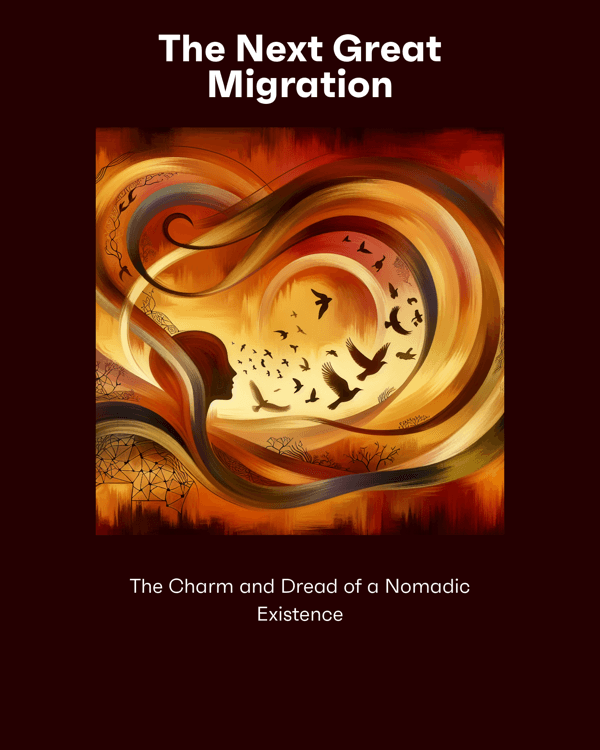
The Next Great MigrationThe Next Great Migration

The Next Great Migration

user-icon

Sonia Shah

At the turn of the twentieth century, New York City symbolized a "cultural mosaic," blending immigrants and locals, yet this diversity faced resistance from figures like Madison Grant and Henry Fairfield Osborn. Advocates of eugenics, they promoted pseudoscientific ideas asserting the superiority of white Europeans and the dangers of racial mixing. Their efforts influenced restrictive immigration policies, but their claims were ultimately debunked as baseless. Meanwhile, migration, both human and animal, emerged as a vital force shaping life on Earth. From wildlife corridors ensuring safe passage for animals to global initiatives advocating humane migration policies, the interconnectedness of all living beings became increasingly evident. However, as seen in the tragic plight of refugees, migration often meets resistance rooted in fear and misinformation, underscoring the need for compassion and understanding in a world defined by movement.

clock13 min
bite8 Bite
target Aperçu

De quoi s'agit-il ?

At its heart, this book explores the profound interconnectedness of life, from the groundbreaking scientific discoveries of Carl Linnaeus to the enduring legacy of human and animal migration. It delves into the historical misuse of science to justify prejudice, such as eugenics and racial hierarchies, while celebrating modern revelations that dismantle these harmful ideologies. Through vivid examples—from ancient DNA studies to wildlife corridors and global migration policies—it highlights the shared movement that defines both nature and humanity. This is a thought-provoking journey through history, science, and the universal drive to connect and adapt.

Résumé du livre

Sonia Shah is an author and journalist whose work has appeared in The New York Times, Scientific American and The Wall Street Journal. Her TED Talk, “Three Reasons We Still Haven’t Gotten Rid of Malaria,” was watched by over a million people around the world. Her other books include Crude: The Story of Oil and The Body Hunters.

At the turn of the twentieth century, New York City symbolized a "cultural mosaic," blending immigrants and locals, yet this diversity faced resistance from figures like Madison Grant and Henry Fairfield Osborn. Advocates of eugenics, they promoted pseudoscientific ideas asserting the superiority of white Europeans and the dangers of racial mixing. Their efforts influenced restrictive immigration policies, but their claims were ultimately debunked as baseless. Meanwhile, migration, both human and animal, emerged as a vital force shaping life on Earth. From wildlife corridors ensuring safe passage for animals to global initiatives advocating humane migration policies, the interconnectedness of all living beings became increasingly evident. However, as seen in the tragic plight of refugees, migration often meets resistance rooted in fear and misinformation, underscoring the need for compassion and understanding in a world defined by movement.

Pour lire le reste du livre, téléchargez Bitely
appstoregoogleplayapp gallery
Toutes les bouchées
bite8 Bites

Nature in Motion: Unveiling the Truth of Migration

1
logo

Linnaeus’ Legacy: Science, Prejudice, and Human Origins

2
logo

Shaping Borders: Eugenics and the Fight Against Diversity

3
logo

Borders, Ecosystems, and the Fear of Change

4
logo

Malthusian Fears and the Consequences of Overpopulation

5
logo

Unraveling Humanity's Shared Genetic Journey

6
logo

Unmasking the Myths of Migration Fear

7
logo

Mapping Migration: Bridging Borders for All

8
logo

Livres associés

mailbox-icon

Voulez-vous continuer à apprendre ?

Ne manquez pas les mises à jour de l'univers passionnant de Bitely !